What is ham radio? It's probably more than you think.
Amateur radio is a hands-on hobby built around communication, technology, experimentation and community — with opportunities to talk across town, across the world, or from the middle of a park.
And you can experience it right here in Southern New Hampshire.
Glad you found us.
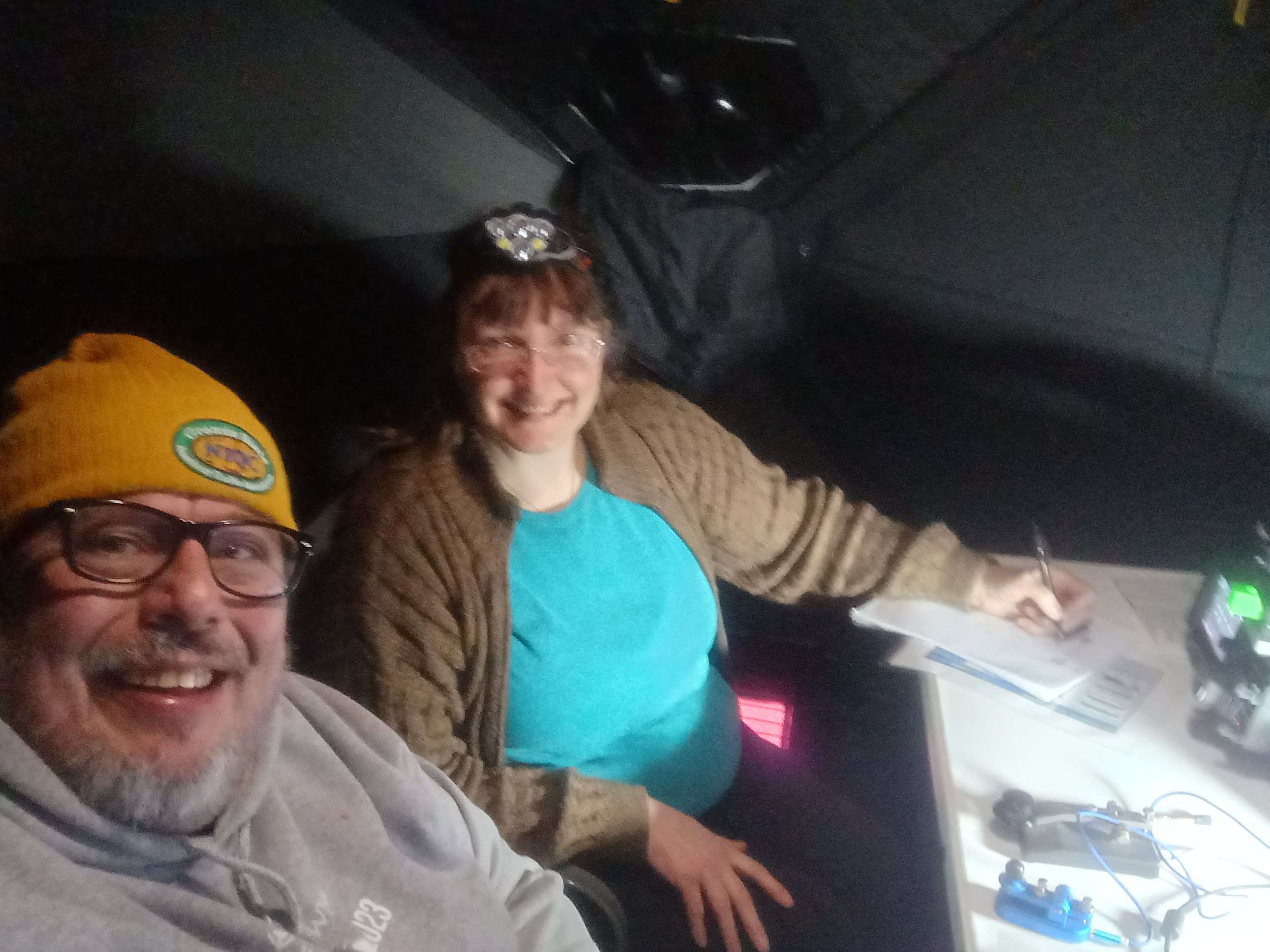
Hello there! If you're here, chances are you're curious about amateur radio and wondering where to start. Maybe you met one of our members, received a card from GSARA, or simply started wondering what this whole ham radio thing is about.
Either way, welcome.
We know getting started in amateur radio can seem a little overwhelming. There are radios, antennas, license classes, videos, books, abbreviations and enough opinions about all of them to keep you busy for a very long time.
Don't worry about learning all of that right now. Amateur radio is a hobby you learn by doing — asking questions, trying things, making mistakes and spending time with people who have already been down that road.
That's the fun part.
Ask ten amateur radio operators what they enjoy most about the hobby and there's a pretty good chance you'll get ten different answers.
Some people want to see how far they can communicate with a simple antenna. Some take their radios into parks or up mountains. Others build things, chase signals, learn Morse code, experiment with computers and digital modes, or help provide communications in their communities.
You don't have to pick one. Most of us don't.
Talk Around the World
With the right conditions, a radio and an antenna can put you in contact with another amateur radio operator across New England, across the country or on the other side of the world.
LOCAL • HF • DXTake Radio Somewhere
Amateur radio doesn't have to happen from a desk. Programs like Parks on the Air and Summits on the Air give operators an excuse to pack a radio, head outside and see what they can do from somewhere new.
POTA • SOTA • PORTABLEBuild Something
Antennas, kits, cables, electronics and station projects are all part of the hobby. You can buy everything ready to go — or start experimenting and discover how much fun it is when something you built actually works.
BUILD • TEST • EXPERIMENTMix Radio & Computers
Modern amateur radio can combine radios, computers, software and data. Digital communications open up another side of the hobby without requiring you to become a computer scientist first.
DIGITAL • DATA • SOFTWAREGo Find the Fox
No actual fox required. Radio direction finding — usually called fox hunting — turns radio into a search challenge. Someone hides a transmitter. Everyone else uses radio signals, antennas and a little detective work to find it.
RDF • FOX HUNTINGLearn Morse Code
Morse code isn't required to get an amateur radio license anymore, but plenty of operators still learn and use it. There's something pretty satisfying about communicating around the world with nothing more than dits and dahs.
CW • CODE BUDDIESHelp Your Community
Amateur radio operators can provide communications for public events and train to assist when normal communication systems are unavailable or overloaded. For some operators, public service becomes a major part of the hobby.
PUBLIC SERVICE • ARESOr Just Hang Out With Hams
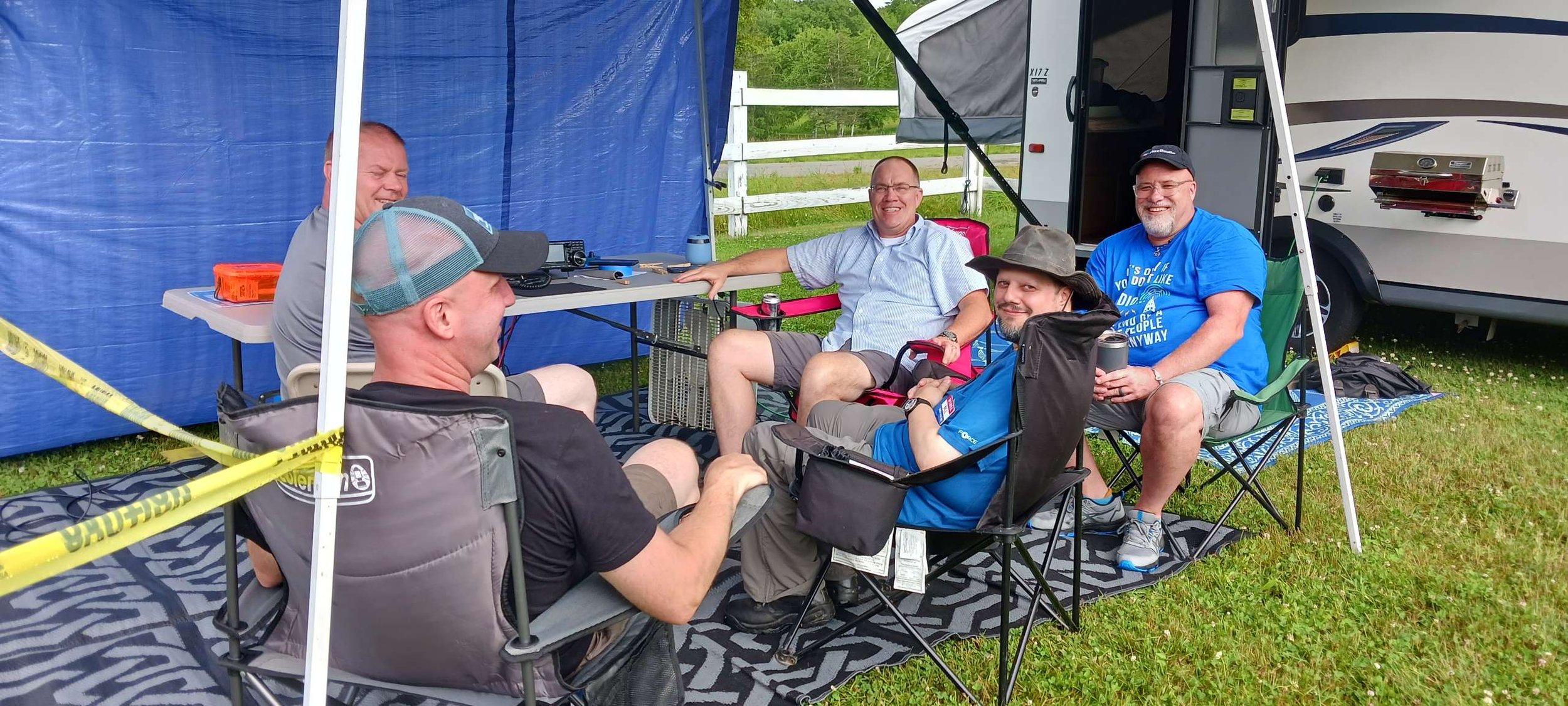
Meetings, breakfasts, nets, Field Days, operating events and club projects are a big part of amateur radio too. Sometimes the radio is the reason everybody showed up. The people are the reason they stay.
CLUBS • EVENTS • COMMUNITYAmateur radio is one of those hobbies where finding one interesting thing usually leads to three more.
Do I need a
license?
You do need an amateur radio license before you can transmit on amateur frequencies on your own. But you don't need a license to start learning, meet other hams or become part of the GSARA community.
If you're curious about amateur radio, come see us. Attend a club meeting. Stop by one of our events. Watch an operator make contacts. Ask questions. Look at the equipment and antennas and ask what all those knobs actually do.
You don't have to walk through the door already knowing radio terminology, and you certainly don't need to own a radio first.
If you're interested in amateur radio and want to learn more, you're welcome here. Getting involved with the club can actually be one of the easiest ways to learn the hobby and decide what interests you.
Visit a meeting or one of our upcoming activities.
Find out what parts of amateur radio interest you.
GSARA can help you understand the process and take your amateur radio exam.
You don't have to figure this out alone.
Amateur radio is a lot easier to understand when you can actually see it, hear it and ask someone why they're doing whatever strange radio thing they're doing.
That's one of the reasons amateur radio clubs exist. GSARA brings together people with all kinds of interests and experience levels — from operators who have been doing this for decades to people who are just getting started.
Come to a meeting. Stop by an event. Ask what that antenna does. Sit down next to somebody operating a radio and watch what happens.
And don't worry about asking a "beginner question." Every person in the room started somewhere.
Tell us you're new.
Seriously. That's enough. You don't need a callsign, a radio or a list of technical questions before you introduce yourself.
Ask to see something.
Radios make considerably more sense when somebody actually shows you what they're doing instead of explaining everything with abbreviations.
Find your part of the hobby.
Maybe portable radio grabs your attention. Maybe it's Morse code, repeaters, satellites, electronics, emergency communications or something completely different.
Find someone who can help.
If you decide you want to keep going, having another amateur radio operator you can ask for help can make getting started considerably easier.
Connect with an experienced amateur radio operator who can help answer questions as you find your way into the hobby.
FIND A MENTOR →The best way to understand ham radio? See it happening.
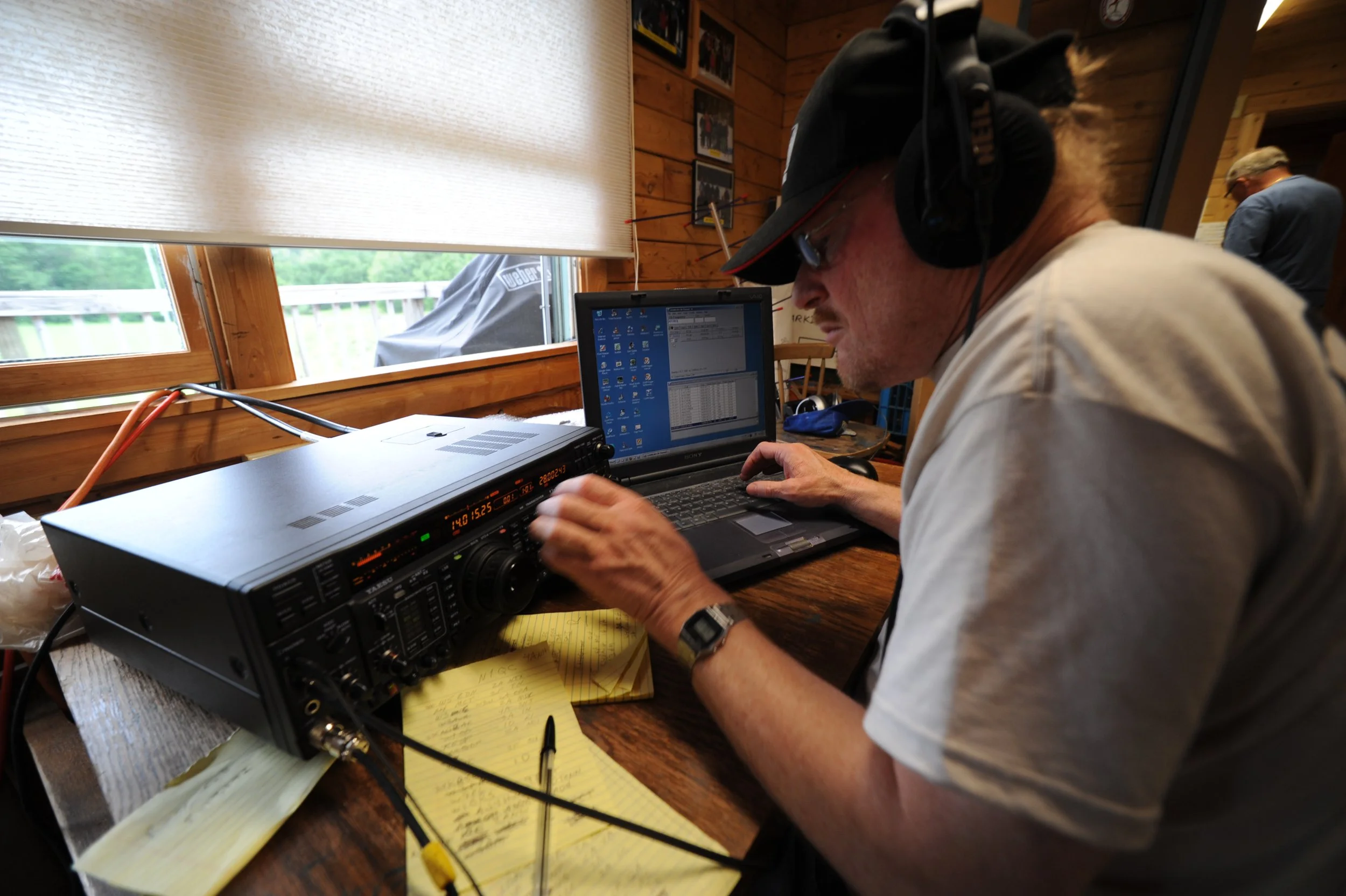
You can read about amateur radio all day, but eventually it's a lot more useful to watch somebody put a station on the air, make a contact, build something or explain what they're doing.
GSARA holds meetings, operating events, activities and community events throughout the year. If something below looks interesting, come check it out.
You don't need a callsign to come say hello.