

Join us
on the air.
GSARA nets are one of the easiest ways to get on the radio, meet other local operators and stay connected with the club between meetings and events.
That's okay. Listen for a few minutes, wait for Net Control to ask for check-ins and give your call sign. We'll take it from there.
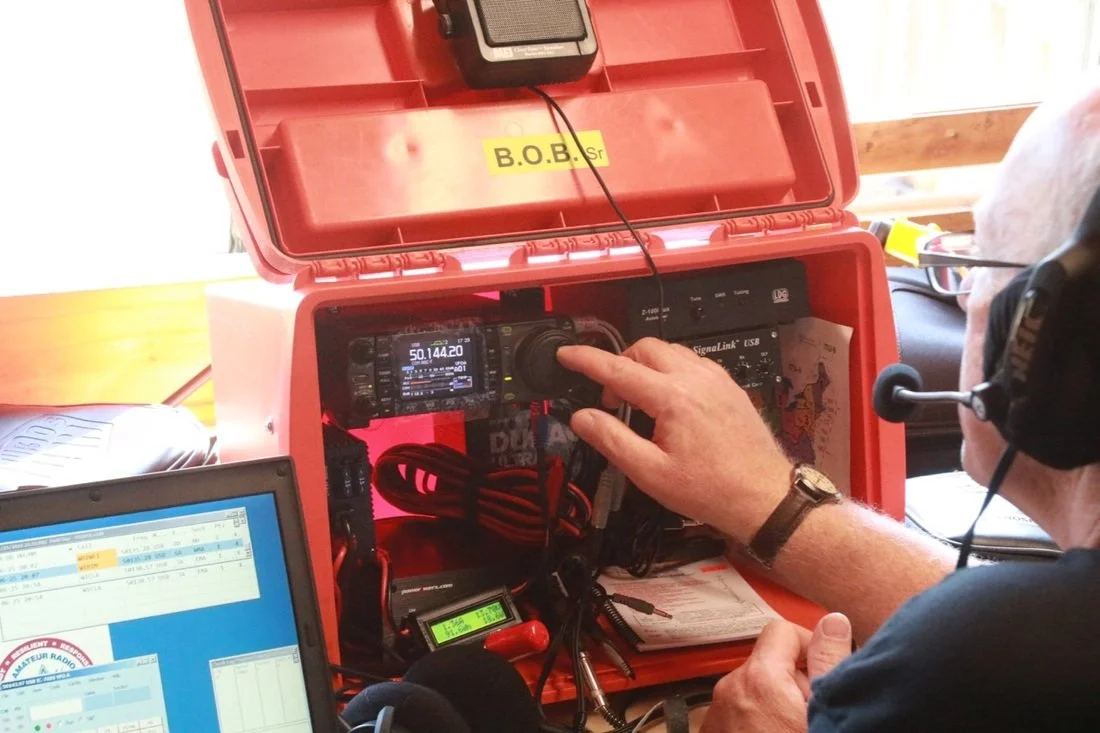
Our regular
GSARA nets.
There's an opportunity to get on the air with GSARA every day — plus monthly chances to move beyond the repeater and try 6 and 10 meters.
Listen in, check in when you're ready and stay for the conversation. New operators are always welcome.
Daily 2 Meter Net
Our everyday gathering place on the air. Check in, hear what's happening around the club and catch up with other local operators.
6 Meter Net
Start the month with GSARA on 6 meters. It's another chance to get off the repeater, try a different band and see who you can hear.
10 Meter Net
Join GSARA on 10 meters for our monthly HF net. Check in, hear how the band is behaving and make some local contacts on HF.
Start with the daily repeater net, or use the monthly 6 and 10 meter nets as an excuse to try another band.
Never checked
into a net?
Don't overthink it. If you can give your call sign, you can check into a GSARA net.
Net Control guides the conversation and tells everyone when it's time to check in. Listen for a few minutes, follow along and jump in when you're ready.
Tune in and listen.
You don't need to transmit immediately. Listen to how Net Control is running the net and how other stations are checking in.
Wait for Net Control.
Net Control will ask for check-ins. That's your cue that the net is ready to hear from you.
Give your call sign.
Key your radio, pause for a moment and clearly give your amateur radio call sign. Keep it simple.
Listen for your call.
Net Control will acknowledge you and may come back to you for comments, announcements or conversation.
That's really it.
You can have something to share or simply say hello. Checking in is enough. The more you do it, the more natural it becomes.
That's enough to get started. Net Control will acknowledge your call and guide you from there.
A local net is one of the easiest places to make those first few contacts. You're talking with people who want you to get on the air.
NEED A LITTLE HELP?
What happens
during a net?
Checking in is just the beginning.
GSARA nets give members a regular place to connect on the air, hear what's happening around the club and spend some time actually using their radios.
Club Updates
Hear about upcoming GSARA meetings, activities, events and other things happening around the club.
Conversation
Sometimes the best part is simply hearing familiar call signs, saying hello and catching up with other operators.
Questions & Help
Have a radio question or working through something in the shack? The net puts plenty of experienced operators within reach.
On-Air Practice
Regular check-ins help build confidence with your radio, your call sign and organized on-air communication.
Try another band.
The daily 2 meter net may be the easiest place to start, but GSARA's monthly 6 and 10 meter nets give you another reason to experiment with your station and see what you can hear.
SEE ALL GSARA NETS
Take a turn
as Net Control.
If you've been checking into the net for a while, running one is a great way to get more involved.
Net Control keeps the net organized, welcomes check-ins and moves the conversation along. You don't need to be the most experienced operator in the club to give it a try.
Keep the net moving.
Think of Net Control as the host of the conversation. You're there to make sure everyone gets heard and the net stays organized.
Open the net.
Let everyone know the net is beginning and invite stations to check in.
Collect check-ins.
Listen for call signs, acknowledge stations and keep track of who's joined the net.
Guide the conversation.
Move through the check-in list, share club information and give everyone their turn.
Close things out.
Ask for any final check-ins, wrap up the net and return the frequency to normal use.
We'll help you get started.
Check out the GSARA Net Control information and resources, then volunteer for a turn when you're ready.
We'll hear you
on the air.
You don't need a perfect station or years of experience. Turn on the radio, listen for the net and throw your call sign out there.
Find the repeater information you need to get your radio programmed and on the air.
Find upcoming meetings, activities and other opportunities to get involved with the club.
Have questions about your radio or getting on the air? Connect with someone who can help.