

Bringing amateur radio
into the community.
Amateur radio makes a lot more sense when you can actually see it, hear it and try it.
GSARA brings amateur radio beyond the club meeting and into schools, youth programs, community events and public gatherings throughout New Hampshire.
Not a ham? Perfect. Some of our favorite conversations start with someone asking, “What are you doing?”
Don't just explain radio.
Let people experience it.
The best introduction to amateur radio usually isn't a presentation. It's hearing a voice come through the speaker, sending your name in Morse code or realizing that little antenna is actually finding a hidden transmitter.
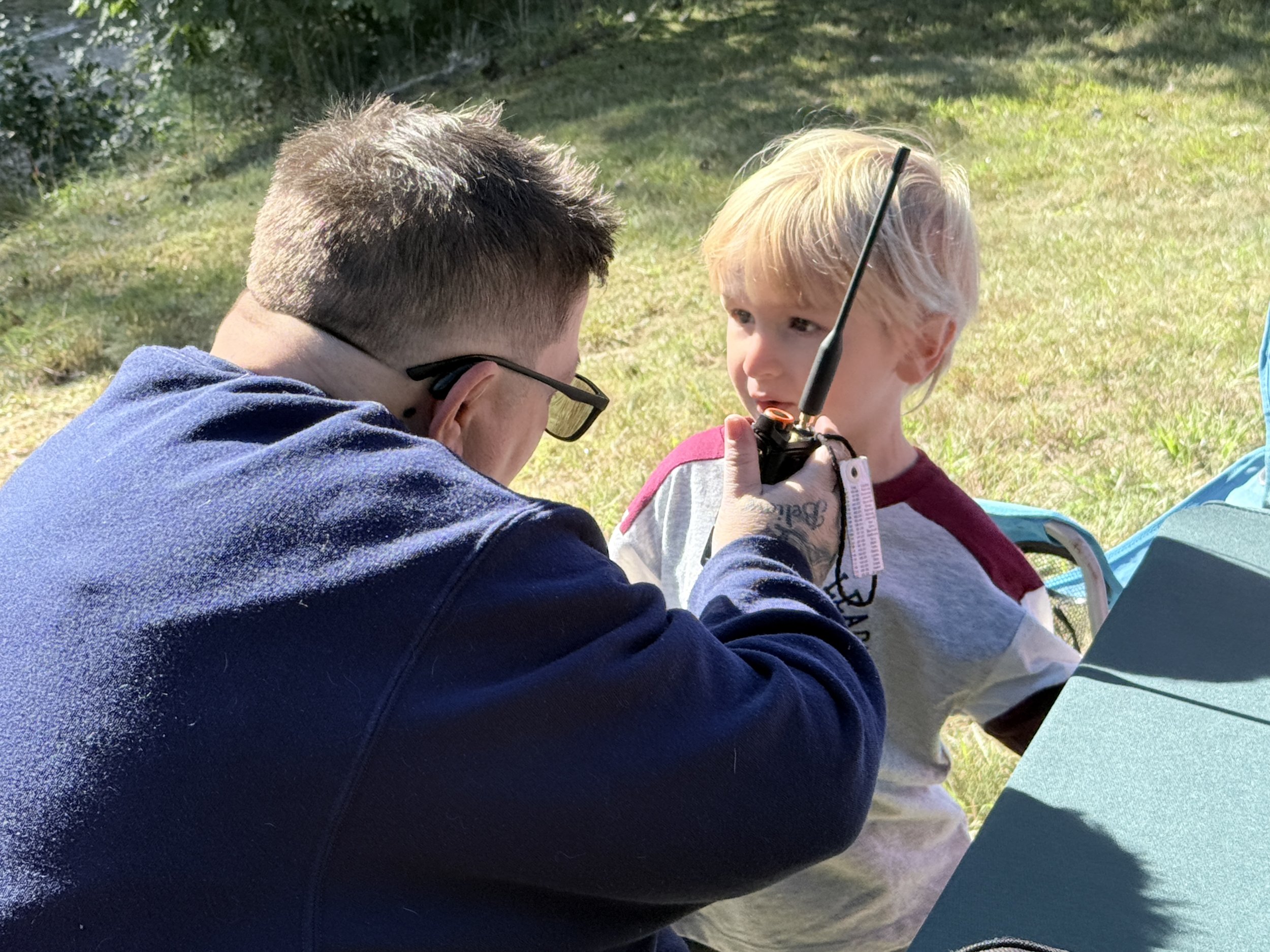
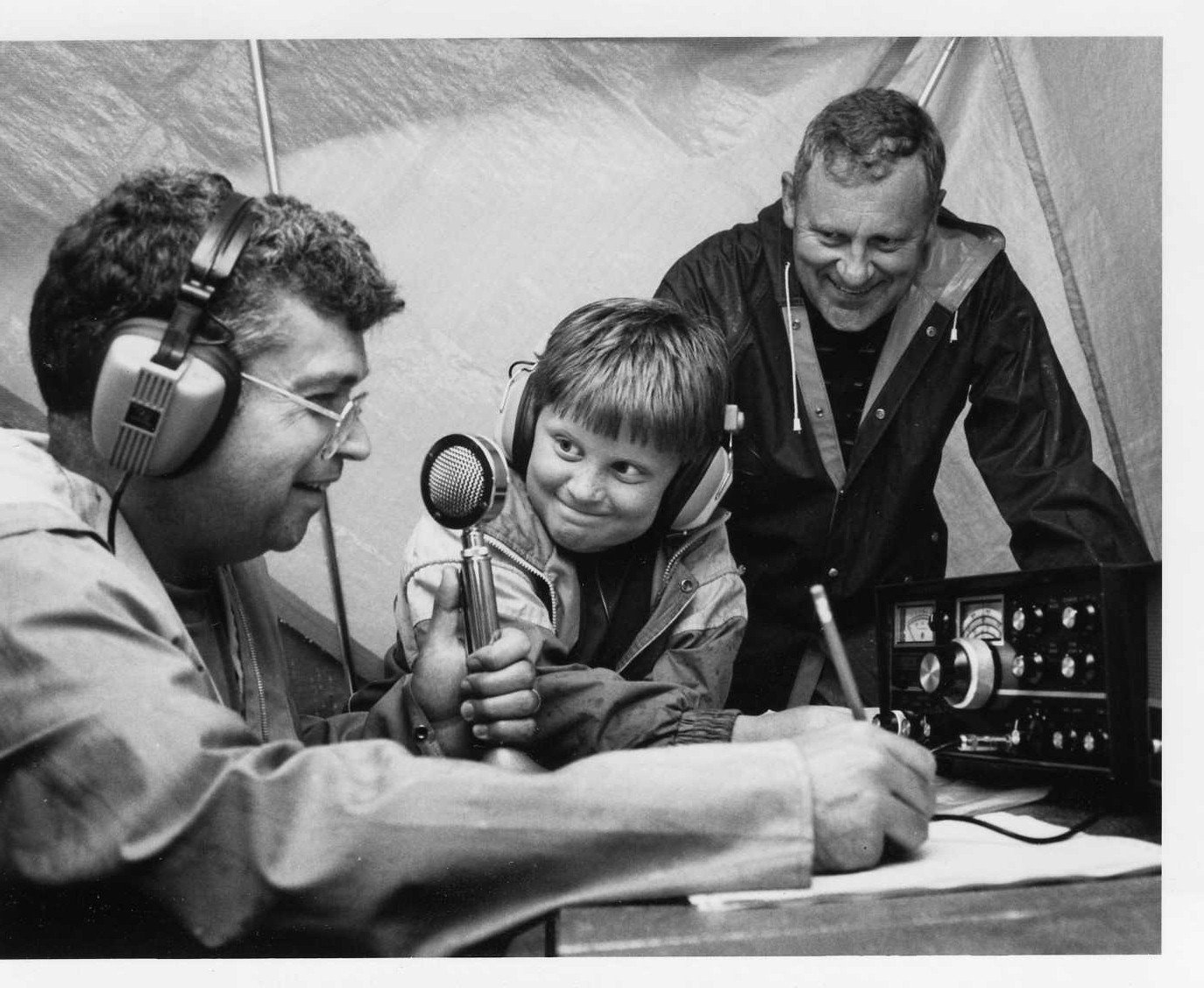
Make a radio contact.
Put a microphone in someone's hand and let them experience a real conversation over amateur radio.
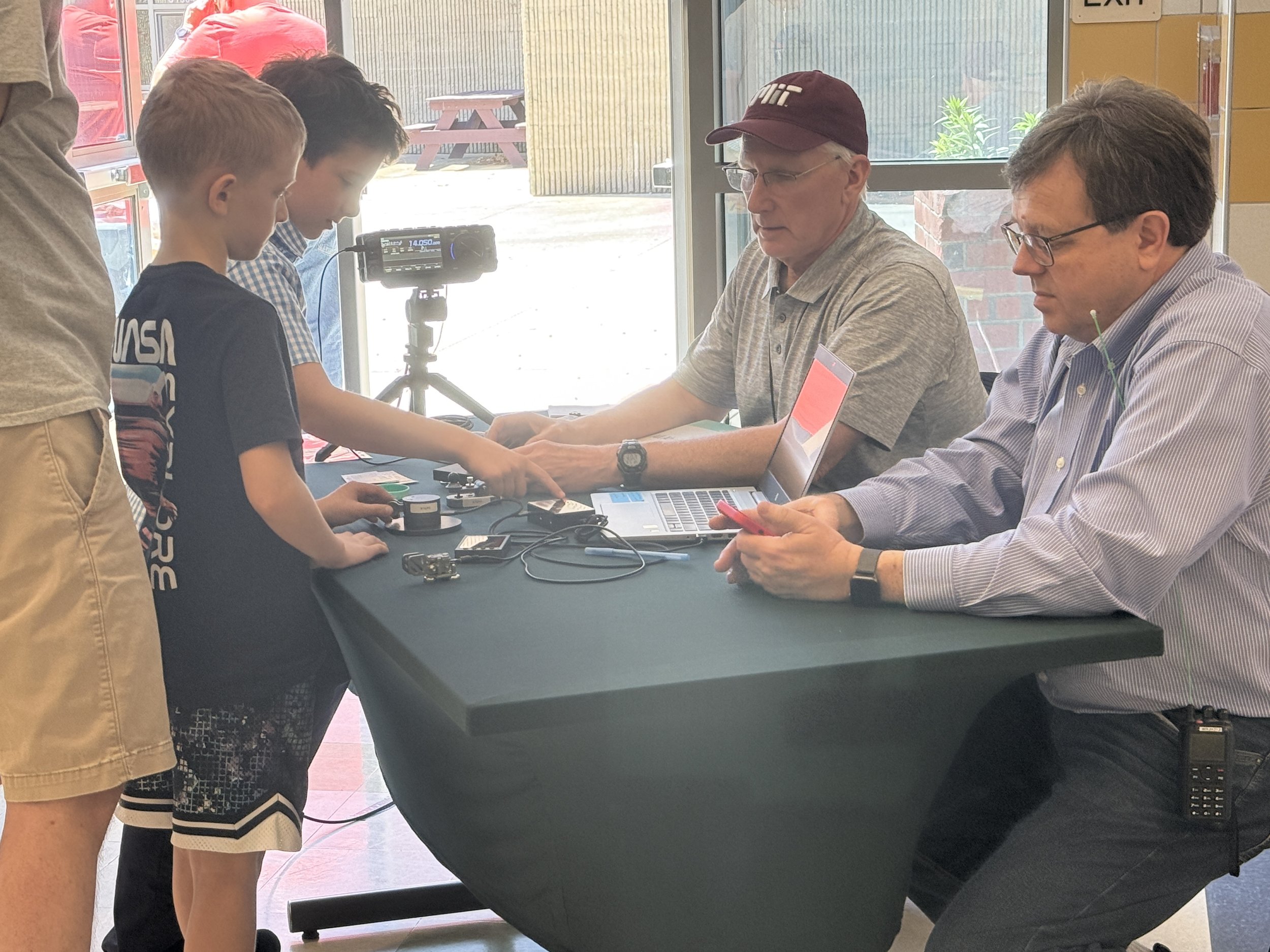
Send your name.
Put your hand on a Morse key and turn dots and dashes into something you can actually hear, touch and create.
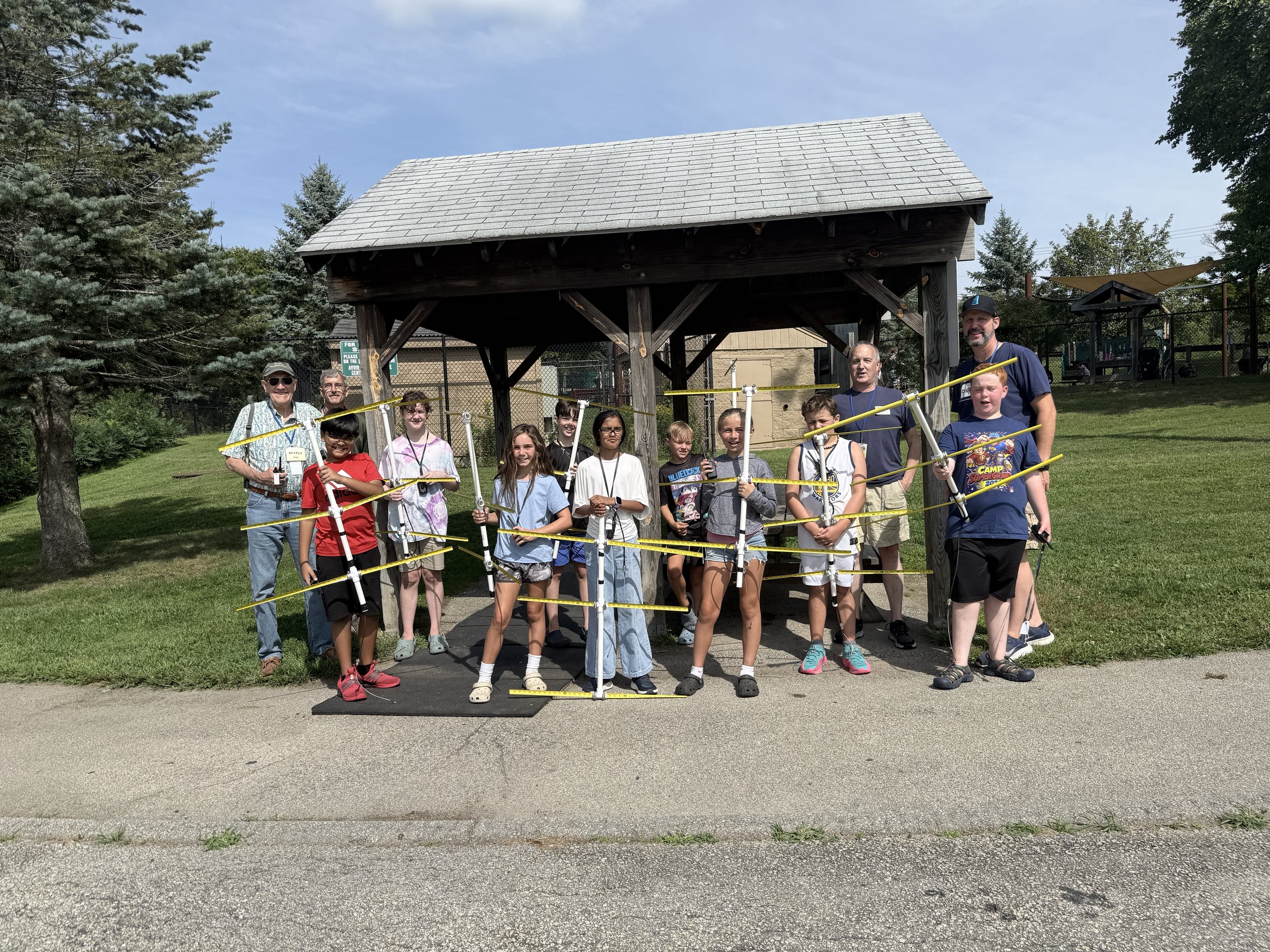
Find the signal.
Direction finding turns radio into a hunt. Follow the signal, use an antenna and track down the hidden transmitter.
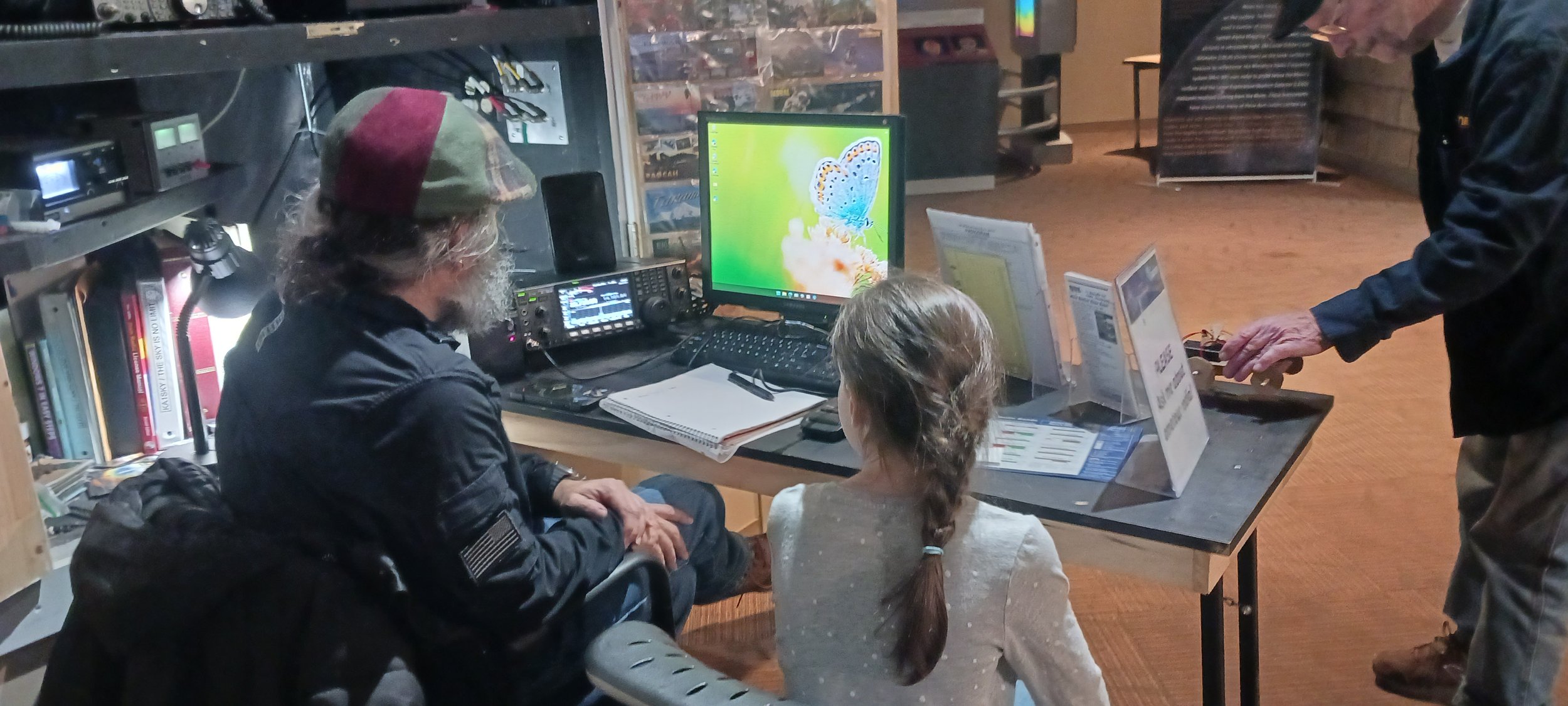
Hear farther away.
Hear stations from across the country—and sometimes around the world—using radio and an antenna.
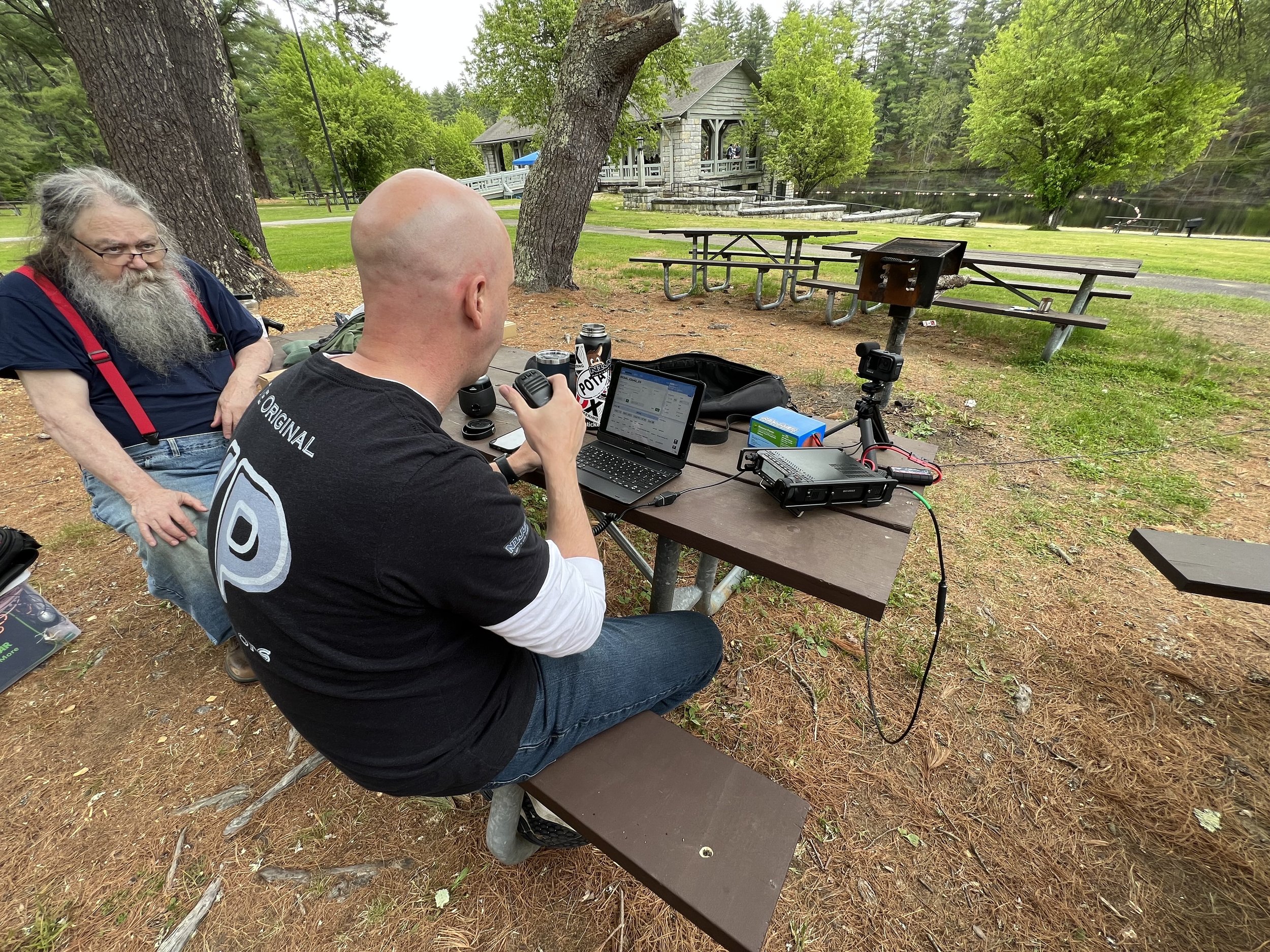
Build a station anywhere.
Radios, batteries and temporary antennas show that amateur radio doesn't have to stay inside a traditional radio shack.
“How does
that work?”
Perfect.
Sometimes one hands-on experience and one good question are all it takes to turn curiosity into a new hobby.
Radio is better
when you can try it.
We don't want amateur radio sitting behind a table where people can only look at it.
Whenever possible, GSARA outreach is hands-on. Pick up the microphone. Tap out some Morse code. Follow a radio signal. Listen to a station hundreds or thousands of miles away.
You don't need to understand everything first. Sometimes the experience comes before the explanation.
Give them something
they can actually do.
Amateur radio brings science, technology and communication together—but the interesting part starts when someone gets to participate.
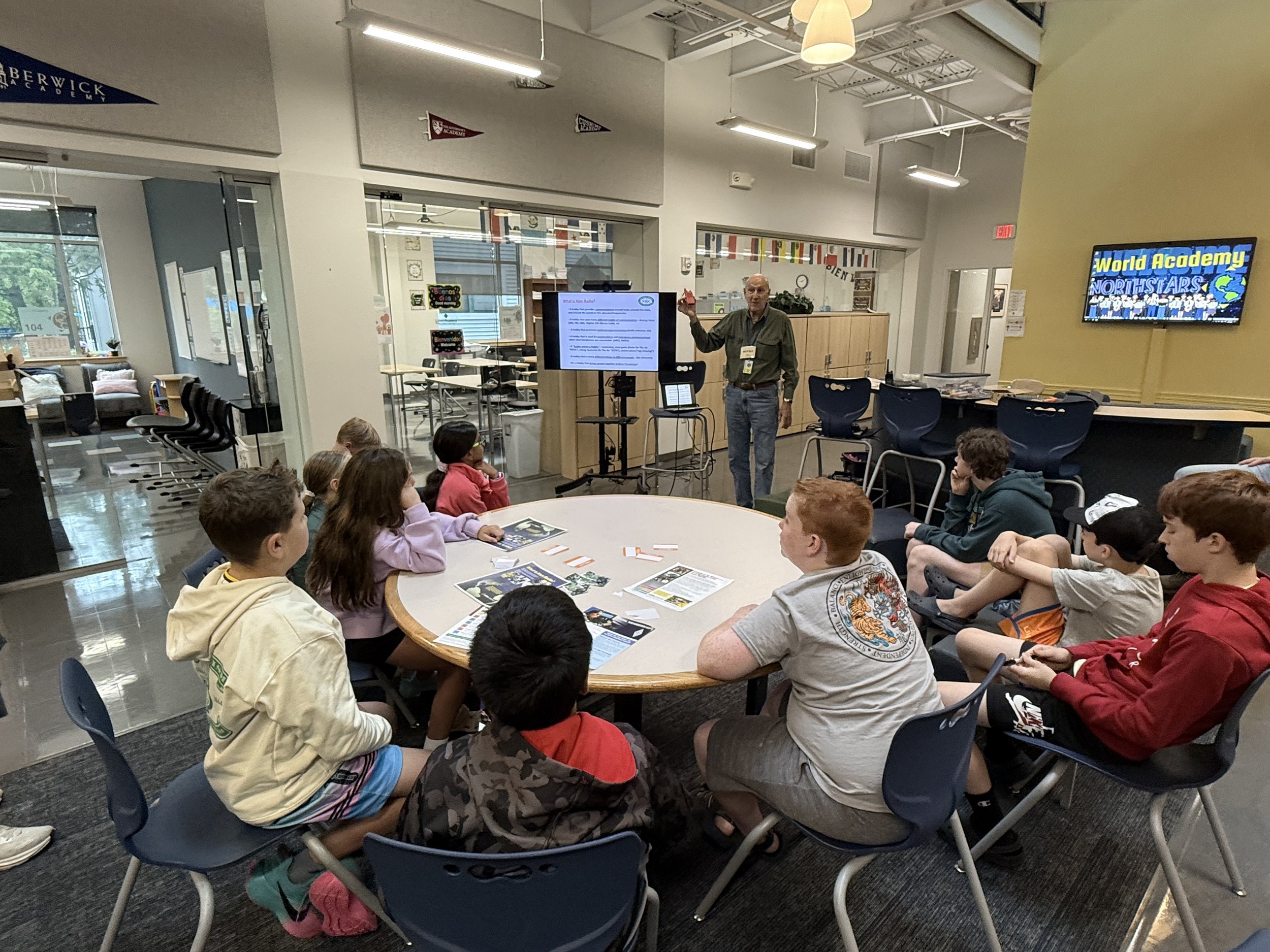
GSARA works with schools, youth organizations and community programs to create hands-on experiences that introduce young people to radio without requiring them to understand the hobby first.
Bring radio into the classroom.
Amateur radio can turn lessons about waves, electronics, geography and communication into something students can hear and interact with.
Make learning an activity.
Groups such as 4-H and other youth organizations give us opportunities to make contacts, try Morse code, hunt signals and explore how radio works.
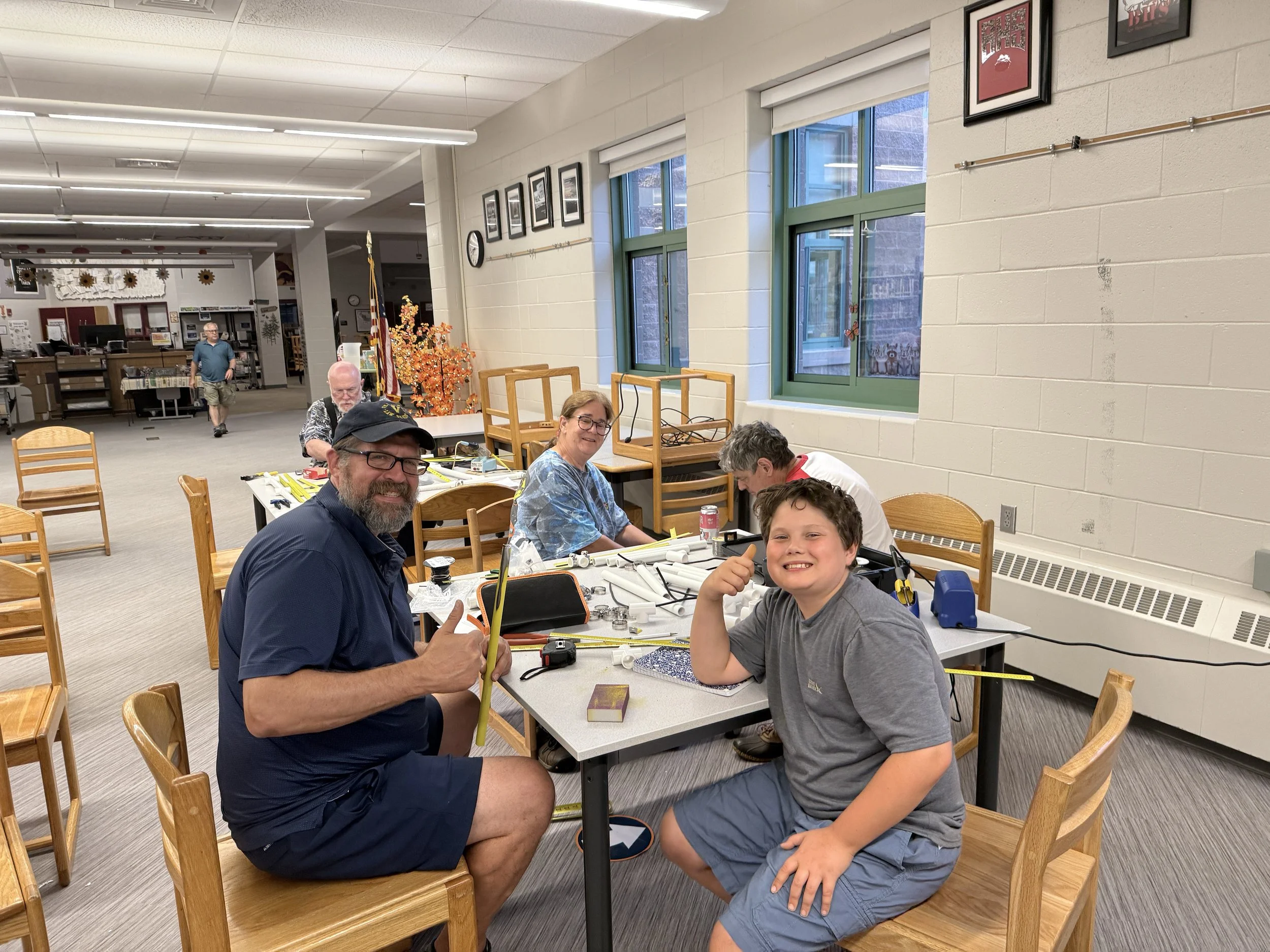
Turn the concept into an experiment.
Radio provides a practical way to explore antennas, signals, electronics and wireless communication outside of a textbook.
Start with the fun part.
This is what outreach
looks like in the real world.
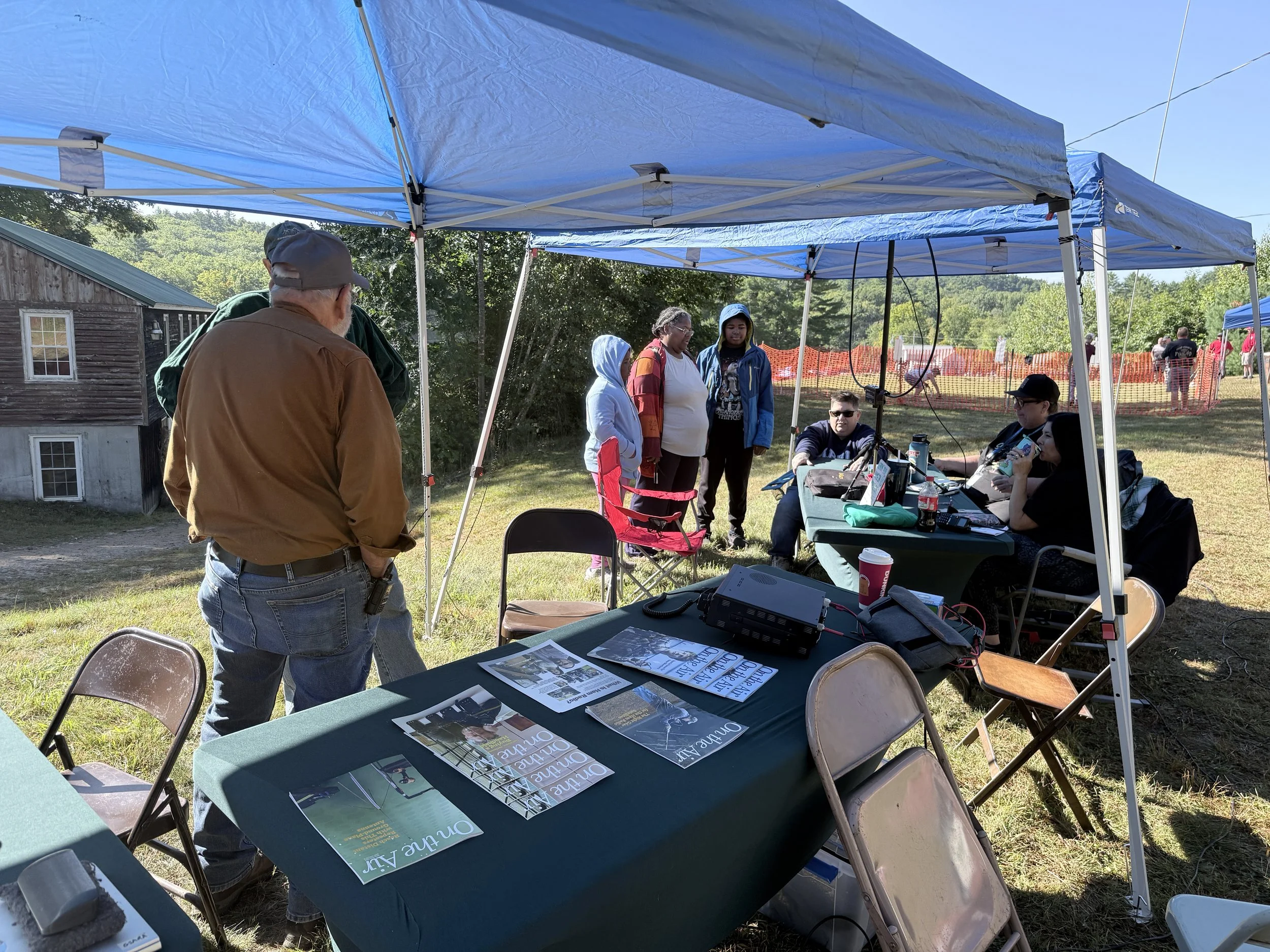
Every event is a little different. Sometimes we're helping a kid make their first radio contact. Sometimes we're demonstrating Morse code, setting up an HF station or answering questions from someone who has never heard of amateur radio before.
Real events.
Real people.
Real radio.
These aren't demonstrations created just for the website. They're moments from GSARA members taking amateur radio into our communities.


Want amateur radio
at your event?
If you're planning an event, class or program where amateur radio could add something interesting, we'd like to hear about it.
Tell us a little about your group, who will be attending and what you're hoping to accomplish. From there, we can talk about what kind of hands-on radio experience might be a good fit.
Tell us what
you're planning.
You don't need to know exactly what kind of amateur radio activity you want. Give us the basics and we'll start there.
CONTACT GSARATell us about the class, fair, meeting, program or community event you're planning.
Approximate age range, group size and whether they've had any previous exposure to radio.
Include the date, location and approximately how much time you have available.
That's okay. Start with the event and the audience. We can figure out the radio part together.
Help us share
amateur radio.
You don't need to be an expert, a teacher or the person standing at the microphone.
Outreach works because members show up. Some operate radios. Some help people try Morse code. Some set up antennas, answer questions or simply talk about what they enjoy about the hobby.
If you can share a little of what makes amateur radio interesting to you, there's probably a place for you at a GSARA outreach event.
Help set up, operate a station or demonstrate something you enjoy about amateur radio.
Sit beside a first-time operator, help with Morse code or guide someone through a hands-on activity.
Sometimes the most useful thing you can do is simply explain why you enjoy amateur radio.
Setup, teardown and another friendly face can be just as valuable as being the person on the radio.
There is something pretty special about watching a student pick up a microphone, press the push-to-talk button, and realize they are actually talking to someone over the radio.
Not through the internet. Not through a cell phone. Not through an app.
Radio. Real RF. The good stuff.