

The fox is
out there.
A hidden transmitter. A directional antenna. Your job is simple: find it.
Fox hunting turns amateur radio into a real-world search where the signal becomes your clue.
Think radio
hide-and-seek.
Somewhere nearby, a small transmitter is sending out a radio signal. You know it's out there. You just don't know where.
Fox hunting—also called radio direction finding—is the challenge of using that signal to track down the hidden transmitter, or “fox.”
Find the signal.
Tune your receiver to the fox's frequency and listen for its transmission. That's your first clue that the hunt is on.
Follow the signal.
Compare the signal from different directions. As you move, keep taking bearings and use what you're hearing to narrow the search area.
Find the fox.
Eventually the search gets smaller and the signal gets stronger. Keep narrowing it down until you've found the hidden transmitter.
Your first hunt isn't about being the fastest person to find the fox. It's about learning how radio signals behave when you actually start following one.
The signal tells you
where to go.
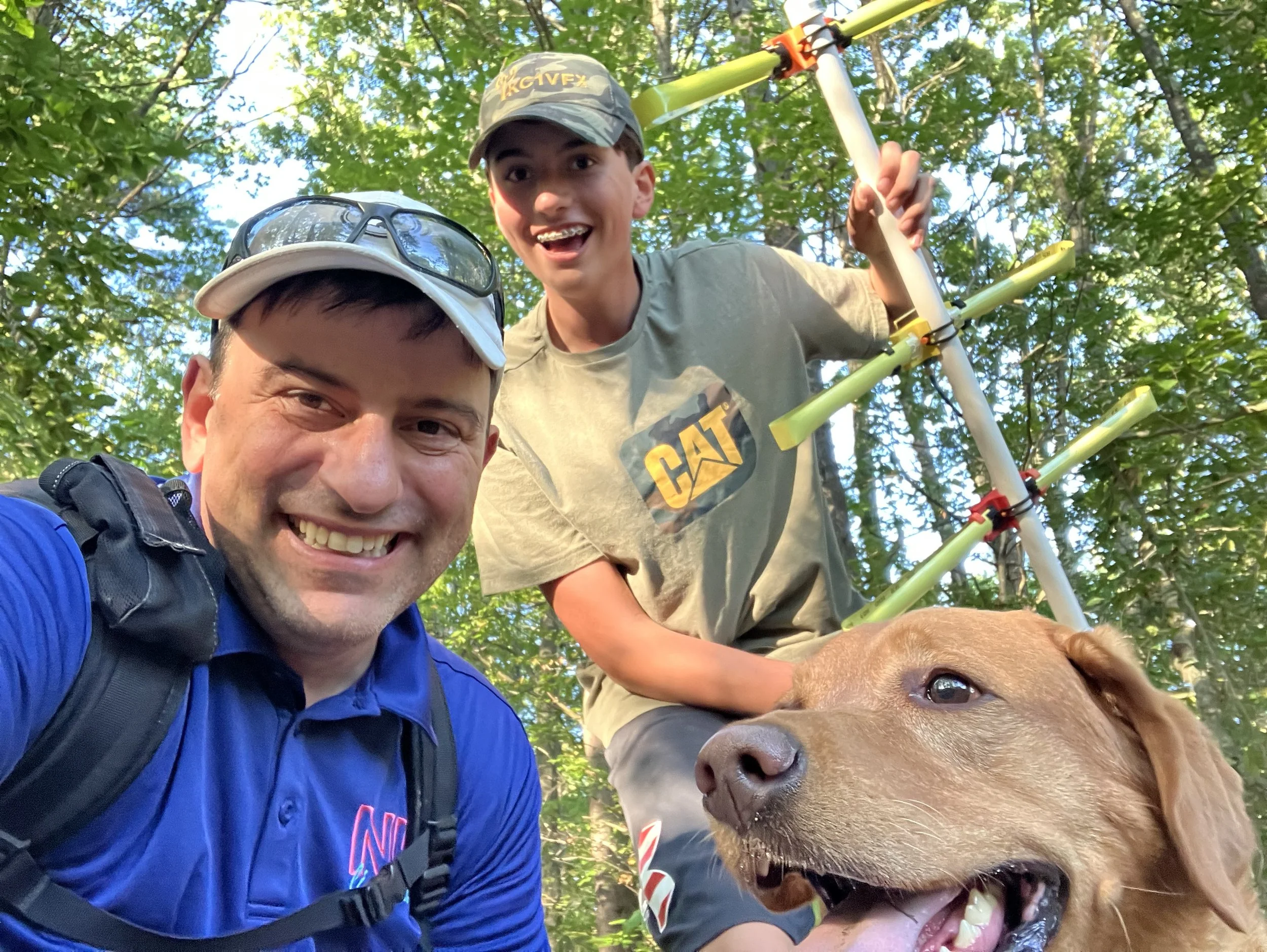
Your radio can tell you that the fox is nearby. A directional antenna helps you figure out which way to start looking.
By comparing the signal as you point the antenna in different directions, you can estimate where the transmission is coming from. Move, take another bearing and keep narrowing the search.
Which direction is strongest?
Turn the antenna and compare what you hear. The goal isn't to know the exact location yet. You're looking for a useful direction to follow.
When you get close to the fox, the signal can become so strong that determining its direction becomes more difficult. That's when hunters may need to reduce or attenuate the signal.
Move. Check. Repeat.
Determine the direction that gives you the most useful signal indication.
Move toward the search area so you can compare the signal from somewhere new.
Another bearing helps confirm whether you're actually closing in on the fox.
Radio signals don't always behave nicely.
Buildings, hills, vehicles and other objects can reflect radio signals and make them appear to come from somewhere else. Part of fox hunting is learning when to trust a bearing—and when to take another one.
You probably already
have half of it.
Fox hunting doesn't require an elaborate station. Start with a radio that can hear the fox and something that helps you determine direction.
You can add more tools as you learn, but don't let equipment keep you from trying your first hunt.
A radio or receiver
You need something capable of receiving the frequency being used by the fox. For many local hunts, a handheld radio may be all you need to get started.
A directional antenna
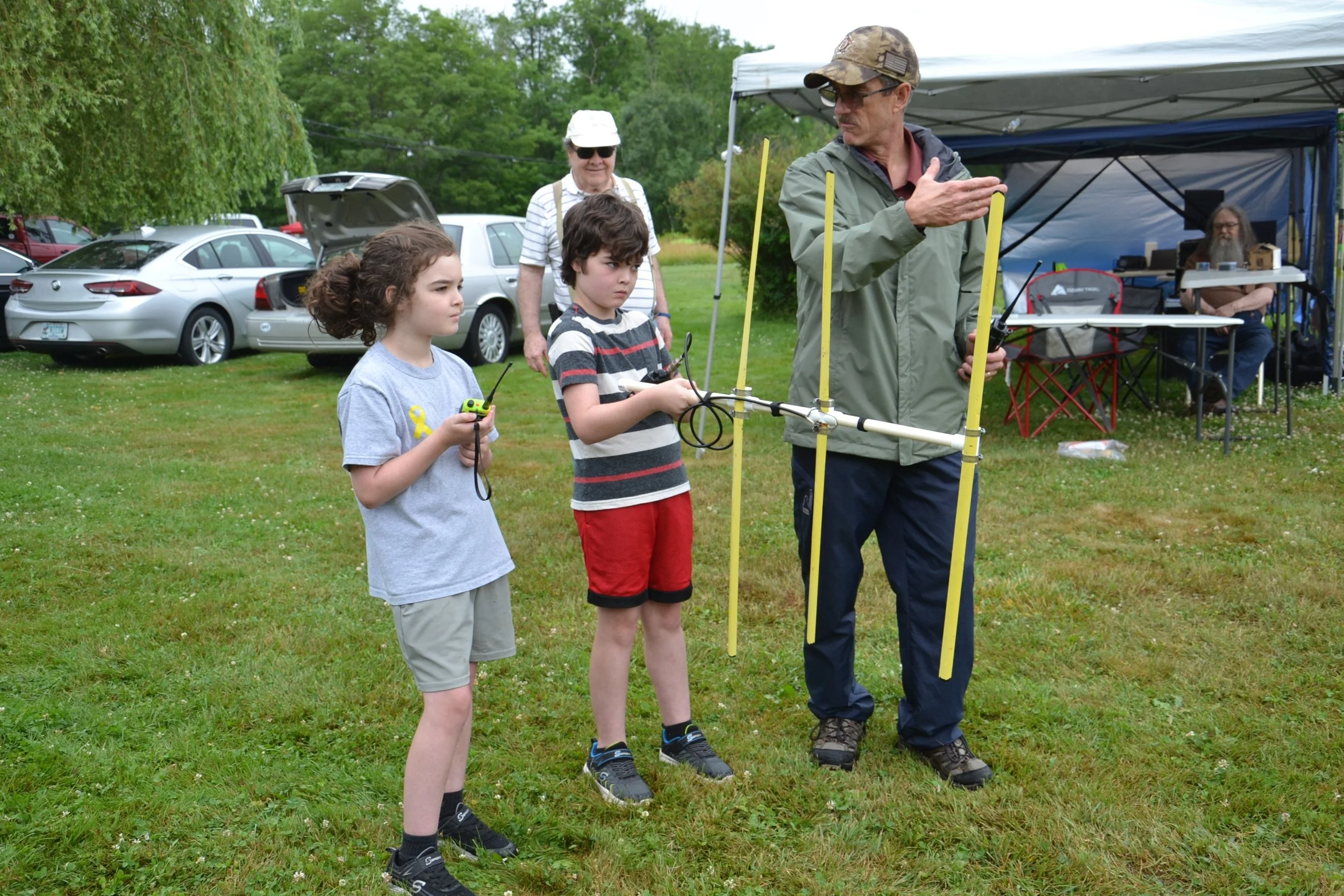
A small directional antenna—such as a handheld Yagi—helps you compare the signal from different directions and determine which way to search.
A few more tools can help.
Attenuator
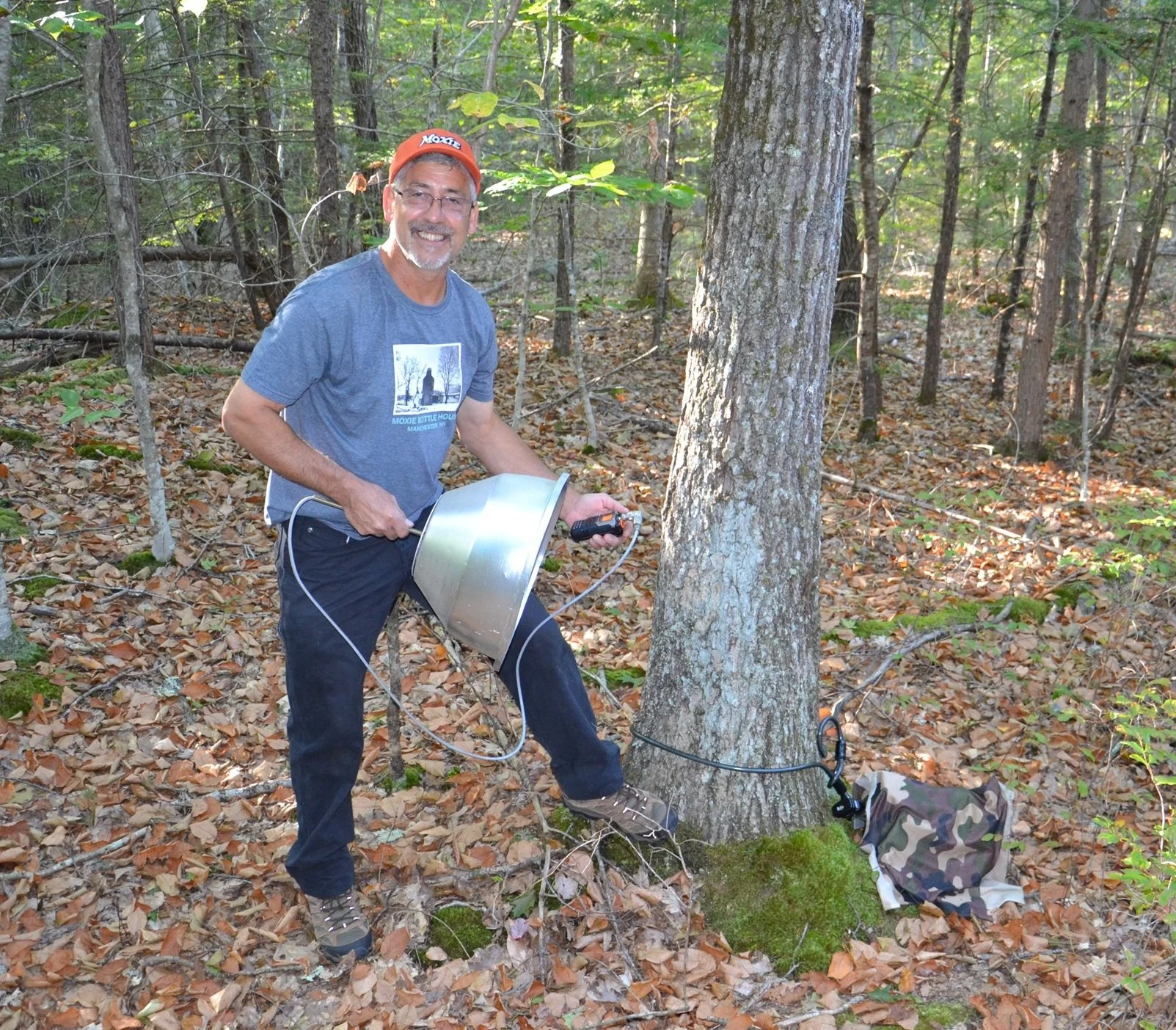
When the fox gets close, its signal may overwhelm your receiver. An attenuator can reduce the signal and make direction finding useful again.
Map or phone
Keeping track of where you've taken bearings can help you visualize the search area and decide where to check next.
Headphones
In a noisy environment, headphones can make it easier to hear changes in a weak or intermittent signal.
Basic outdoor gear
Comfortable shoes, water and clothing for the weather matter too. The radio may be the game, but you're still going hunting.
The fox is loose.
Come find it.
GSARA fox hunts are a chance to put radio direction finding into practice with other operators—and you don't need to be an experienced hunter to participate.
Come hunt on your own, work with someone else, compare techniques or simply follow along and see how experienced hunters approach the signal.
You don't have to know
what you're doing yet.
Fox hunting is one of those parts of amateur radio that makes much more sense once you try it. Showing up curious is enough to get started.
Check the GSARA Calendar.
Upcoming fox hunts and event details are posted on the club calendar. Check there for the latest date, time, meeting location and hunt information.
VIEW UPCOMING EVENTSConfirm the meeting location, time and any hunt-specific instructions.
Don't skip your first hunt because your setup isn't perfect.
Compare techniques, ask questions and pay attention to what the signal is doing.
Hide it. Build it.
Hunt it.
Finding the fox is only one part of the fun. There are plenty of ways to get involved before the first bearing is ever taken.
Hide it.
A good fox location creates an interesting hunt. Help place the transmitter, think about the search area and give the hunters a challenge worth solving.
BE THE FOXBuild it.
Fox hunting is a great excuse to experiment with antennas, attenuators and other RDF tools. Build something, test it and see how it performs in a real hunt.
TRY SOMETHING NEWHunt it.
Grab your radio, start taking bearings and see whether you can turn a signal into a location. Every hunt teaches you something different.
FIND THE FOXThere's more to do than carry an antenna.
Assist with the hunt area, logistics or setup.
Help create the challenge everyone else has to solve.
Show someone how to take their first bearing.
Compare antennas, techniques and lessons after the hunt.
Build something. Try something. Follow the wrong signal for a while. Figure out why—and try again.
Ready to find
the fox?
Your first hunt doesn't need to be complicated. Bring some curiosity, follow the signal and see where it takes you.