

When normal
communications
aren't normal.
Amateur radio can provide an additional communications resource when the systems we normally depend on are unavailable, overloaded or simply aren't the right tool for the job.
ARES brings amateur radio operators together to train, practice organized communications and develop the skills needed to support their communities when called upon.
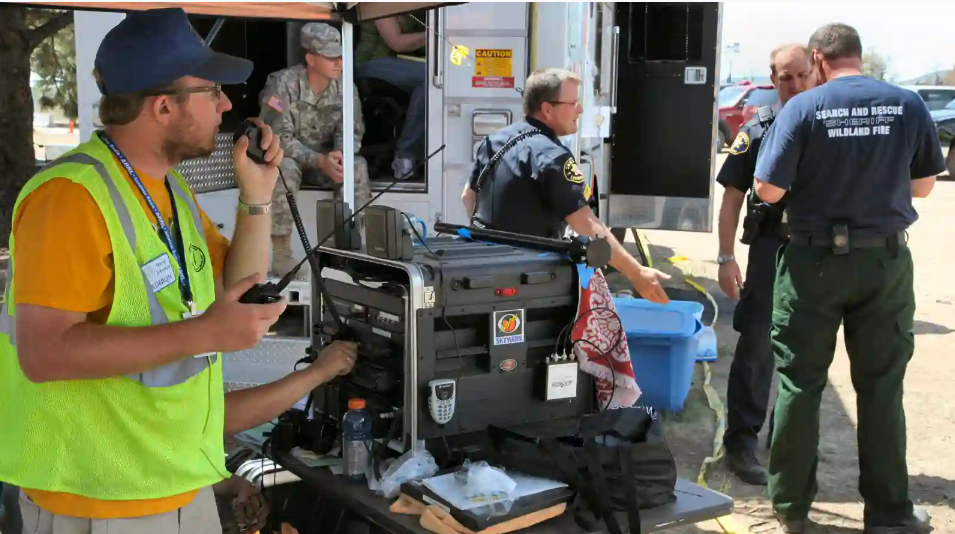
More than a radio
and a go-kit.
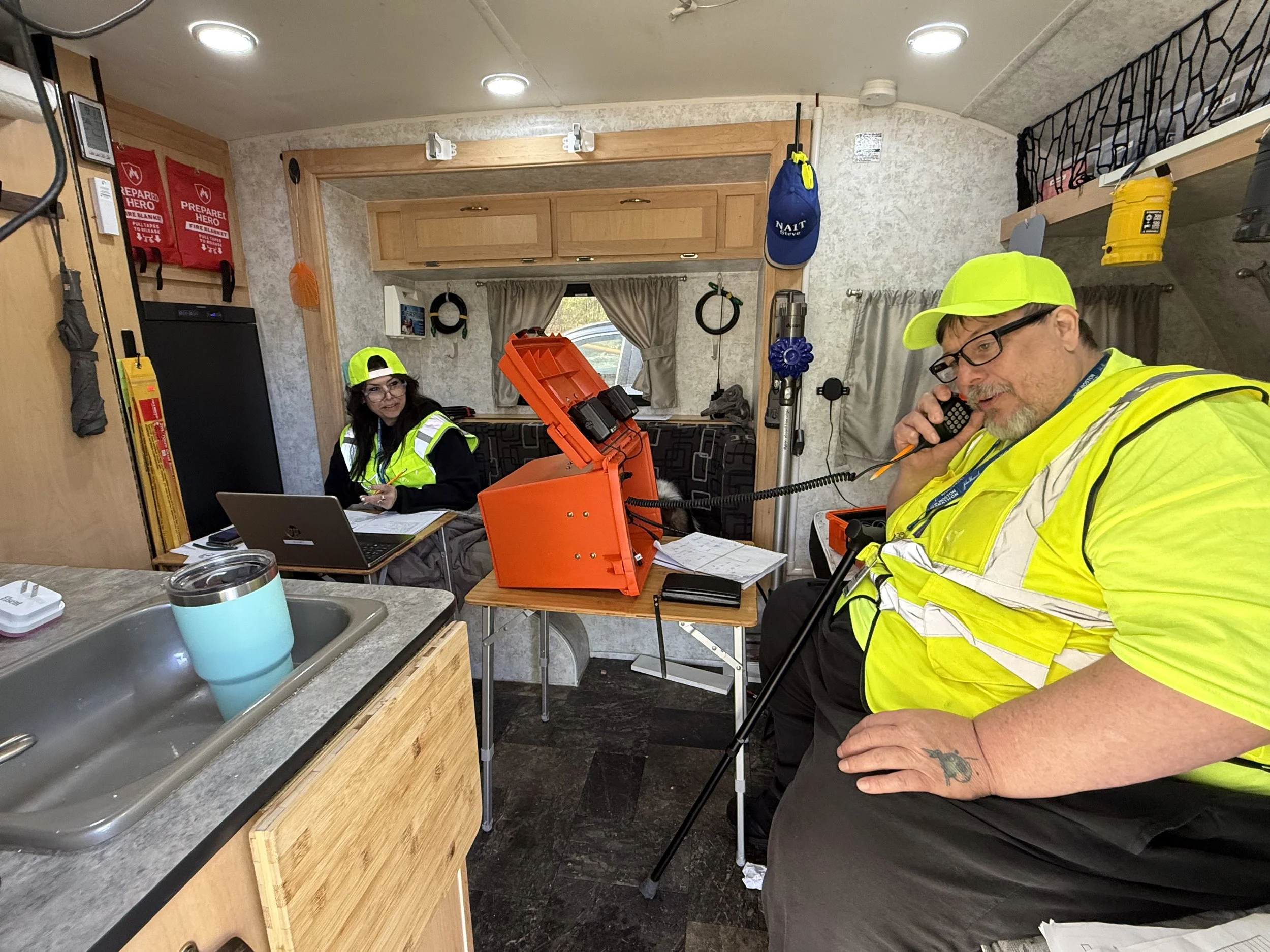
Emergency communication isn't simply about having equipment. It takes operators who know how to communicate clearly, work within an organized net and pass information accurately.
The Amateur Radio Emergency Service brings licensed amateur radio operators together to develop those skills and provide a communications resource when amateur radio can be useful.
Trained operators
ARES starts with licensed amateur radio operators who are willing to train, practice and become comfortable communicating under an organized structure.
Organized communication
Emergency communications depend on structure. Nets, Net Control, message handling and established procedures help keep information clear and useful.
Working with others
ARES can work with emergency-management organizations and other served agencies when amateur radio provides an appropriate additional communications capability.
ARES doesn't replace public-safety communications.
Amateur radio is another communications resource. The goal isn't to replace the systems used by police, fire, EMS or emergency management. It's to provide additional communications capability when and where amateur radio is appropriate.

It's not just talking
on the radio.
In emergency communications, getting information right can be more important than getting it there quickly.
ARES operators practice listening carefully, recording information accurately, following net procedures and relaying messages without changing their meaning.
Hear the complete message before acting on it.
Write down the information accurately.
Pass the information without changing its meaning.
Make sure the information was received correctly.
Skills you can practice before an emergency.
Work within an organized net.
Listen for Net Control, wait for instructions, keep transmissions concise and understand when your information needs to be passed.
Get the information right.
Receive information, record it accurately and relay it clearly without adding assumptions, interpretations or unnecessary changes.
Operate away from the shack.
Set up radios, antennas and independent power where communications are needed instead of depending entirely on your normal home station.
Practice before it matters.
Exercises and regular on-air activity give operators a chance to test equipment, practice procedures and discover problems before the skills are actually needed.
Check into a net.
Regular nets are one of the easiest ways to become more comfortable listening, checking in and communicating within an organized group.
Interested in ARES?
Start here.
GSARA isn't an ARES organization, but emergency communications is an interest shared by many amateur radio operators throughout southern New Hampshire.
Several GSARA members participate with ARES groups in the area. If you'd like to get involved, learn more or attend an activity, the best next step is to connect directly with the ARES organization serving your area.
Connect with a local ARES group.
For operators in the Manchester and Nashua areas, these organizations are the most direct place to learn about local nets, training, exercises and opportunities to participate.
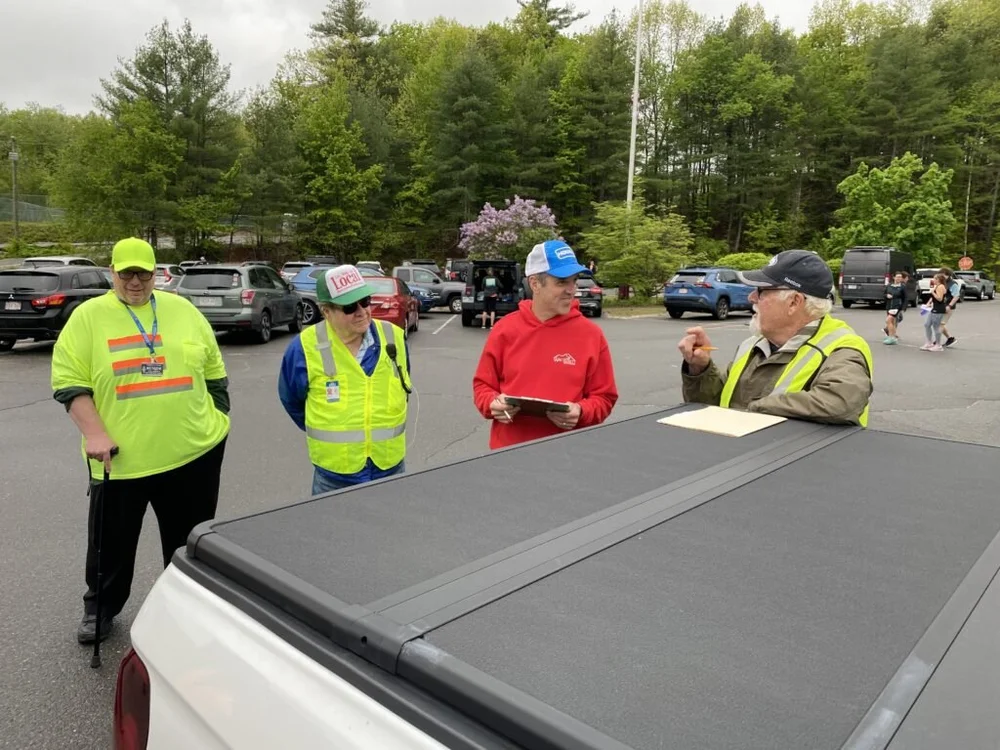
Greater Manchester ARES
Interested in emergency communications in the Greater Manchester area? Visit Greater Manchester ARES to learn about local activities, training, nets and ways to get involved.
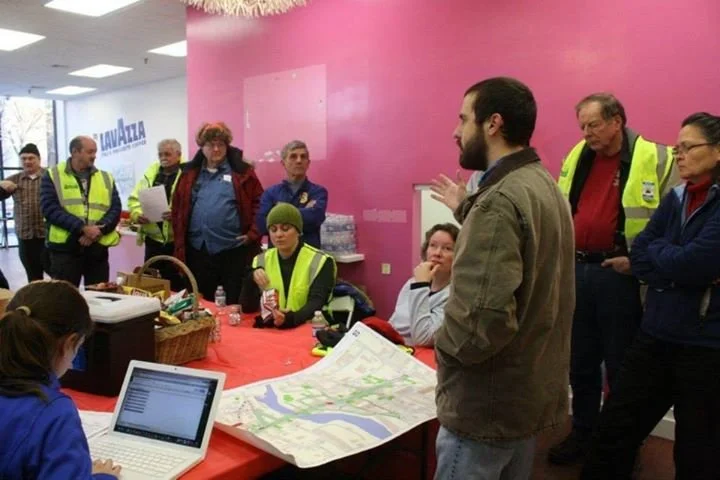
Greater Nashua ARES
Operators in the Greater Nashua area can connect with the local ARES organization to learn about emergency communications activities, training, nets and opportunities to participate.
New Hampshire ARES
Looking beyond your local area? New Hampshire ARES provides the broader statewide connection for amateur radio emergency communications and is a useful resource for learning more about ARES throughout New Hampshire.
You don't need to figure it all out first.
Reach out to one of the local groups, attend a net or talk with a GSARA member who is already involved. You can learn what ARES looks like in practice before deciding how involved you'd like to become.
See what ARES is
doing locally.
Greater Manchester ARES regularly shares information about emergency communications, training and activities happening here in southern New Hampshire.
We've included their latest updates here as another way for GSARA members and visitors to see what's happening and discover opportunities to learn more.
Latest Updates
A window into local emergency communications.
These updates are provided by Greater Manchester ARES and are included here because they regularly share information that may be useful to amateur radio operators interested in emergency communications. For information about participating in your area, connect directly with the appropriate ARES organization.
Interested in emergency
communications?
Make the connection.
You don't need to wait for an emergency to start learning how amateur radio can support communications when normal systems are disrupted.
Connect with an ARES organization serving your area, learn about its nets and training, and meet the operators already doing the work. If you're a GSARA member, there's a good chance you'll meet some familiar callsigns along the way.
Start with Greater Manchester ARES, Greater Nashua ARES or the statewide NH ARES organization.
Check into a net, attend a meeting or training opportunity, and see how the organization operates.
Learn the procedures, practice with your equipment and become more comfortable communicating as part of an organized group.
The first step is simply getting connected.
Explore the ARES organizations serving New Hampshire above, or connect with a GSARA mentor if you'd like help figuring out where to begin.