GSARA Brings Ham Radio to the 4-H Agricultural Fair
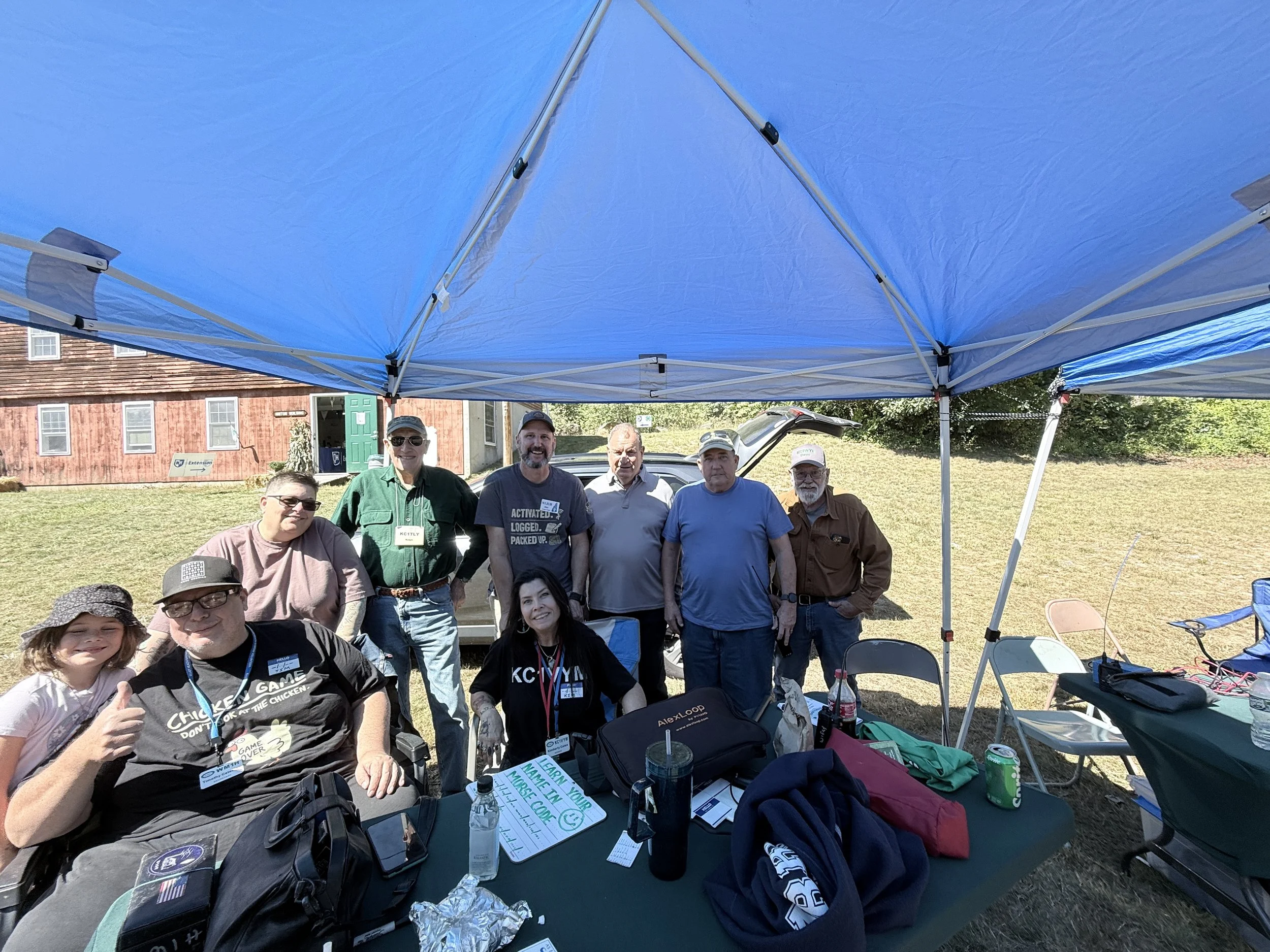
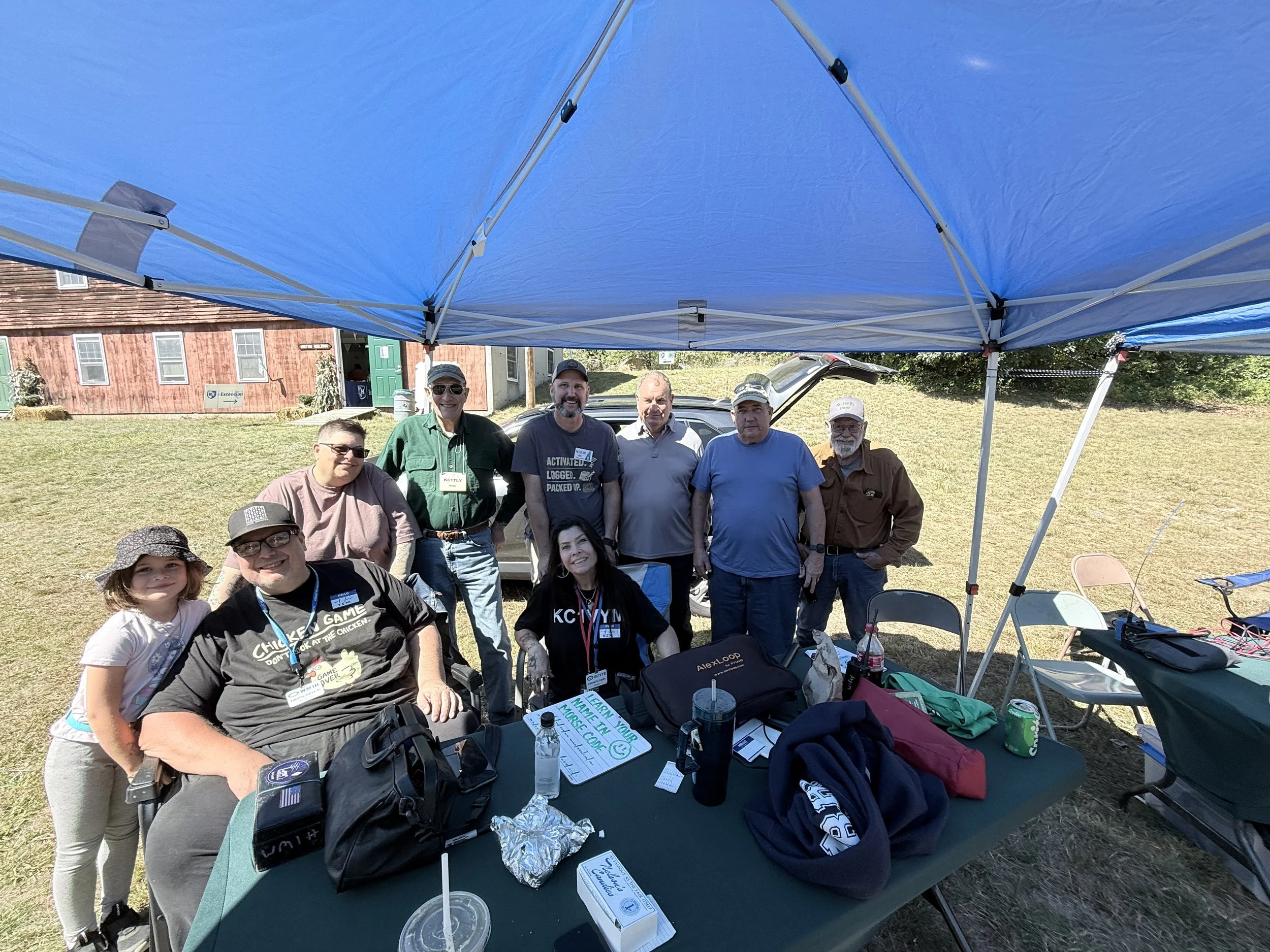
The Granite State Amateur Radio Association spent the day doing what amateur radio does best: getting out into the community, talking radio, making contacts, and putting microphones and Morse keys into the hands of the next generation.
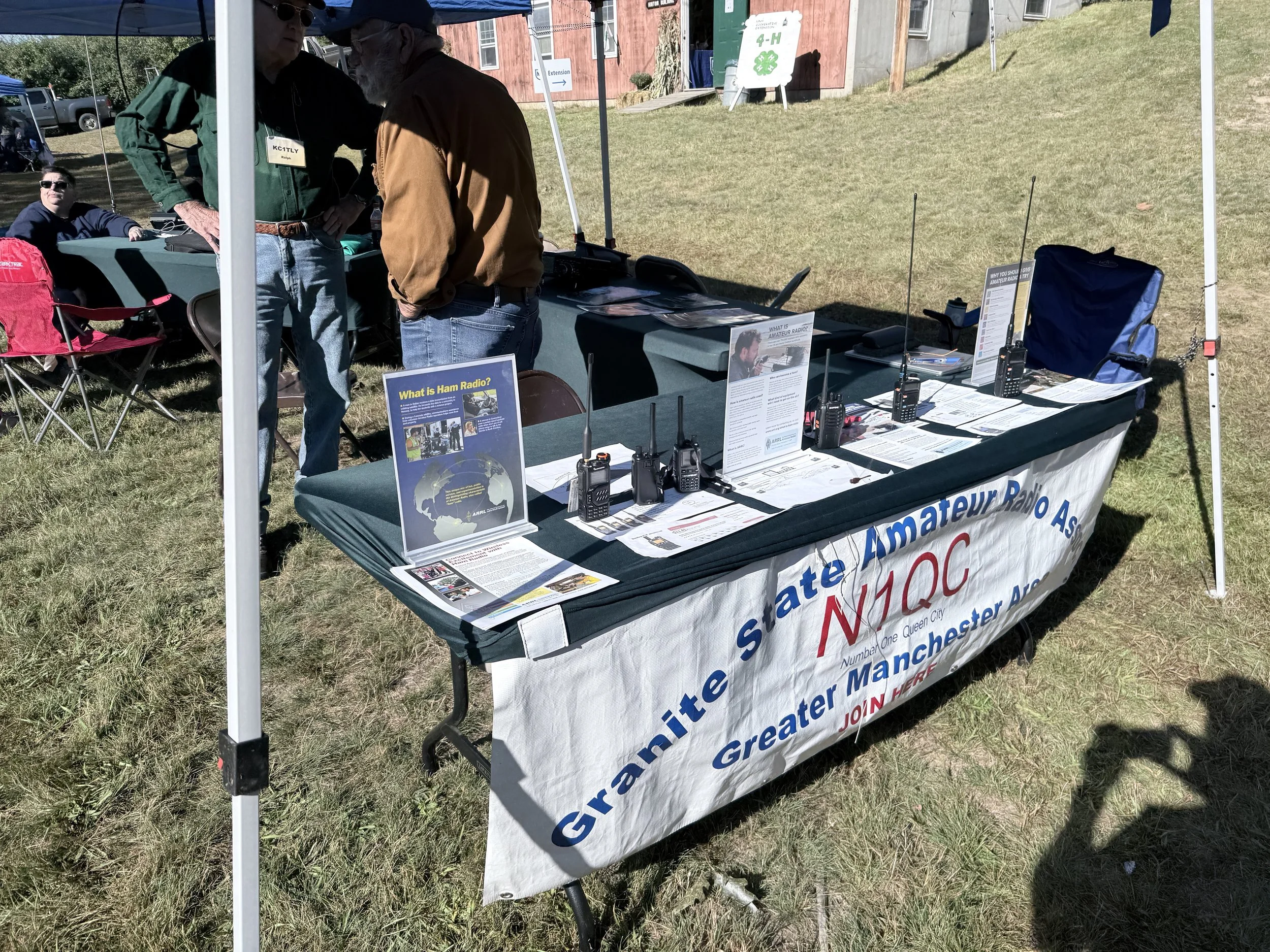
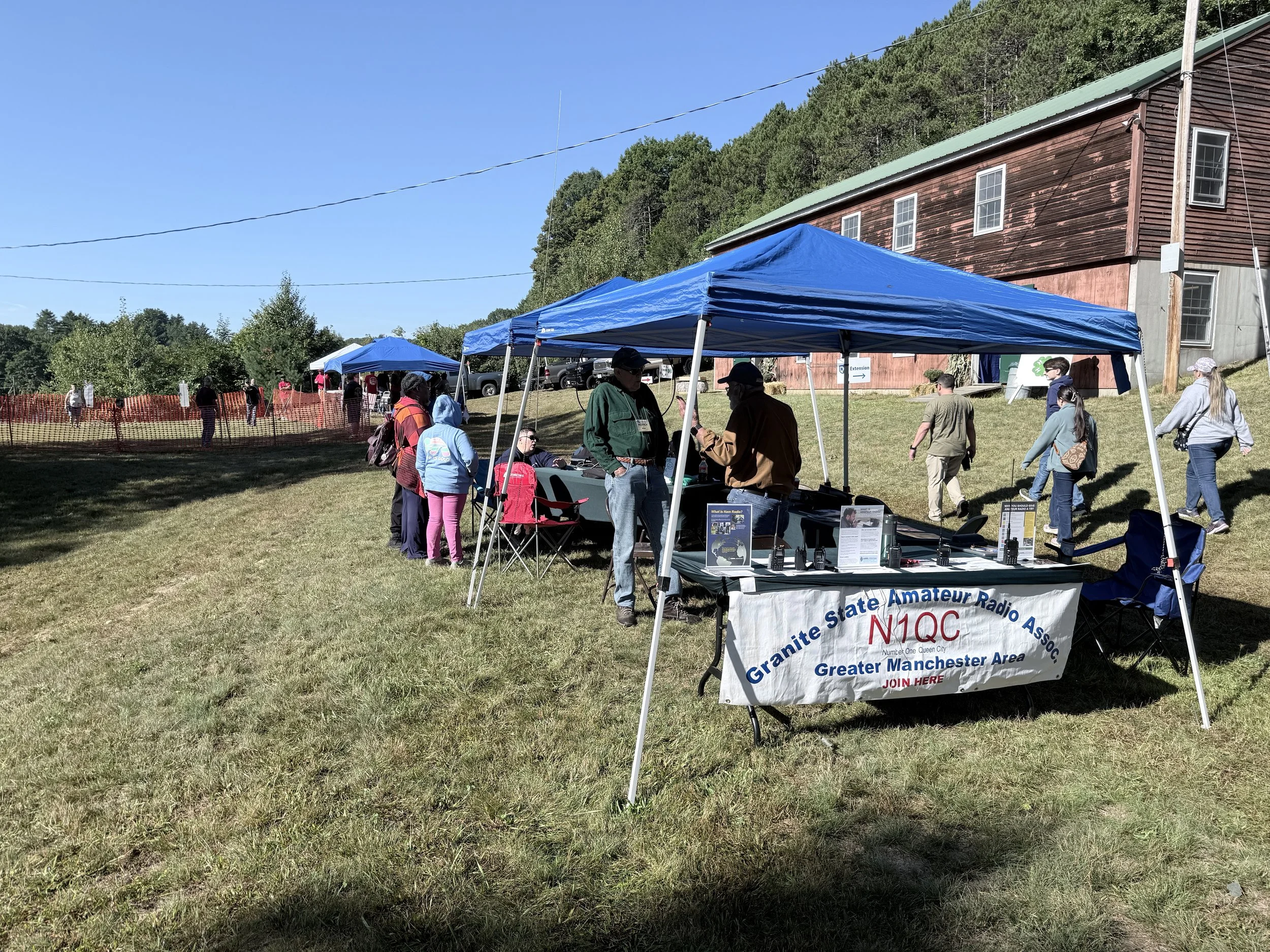
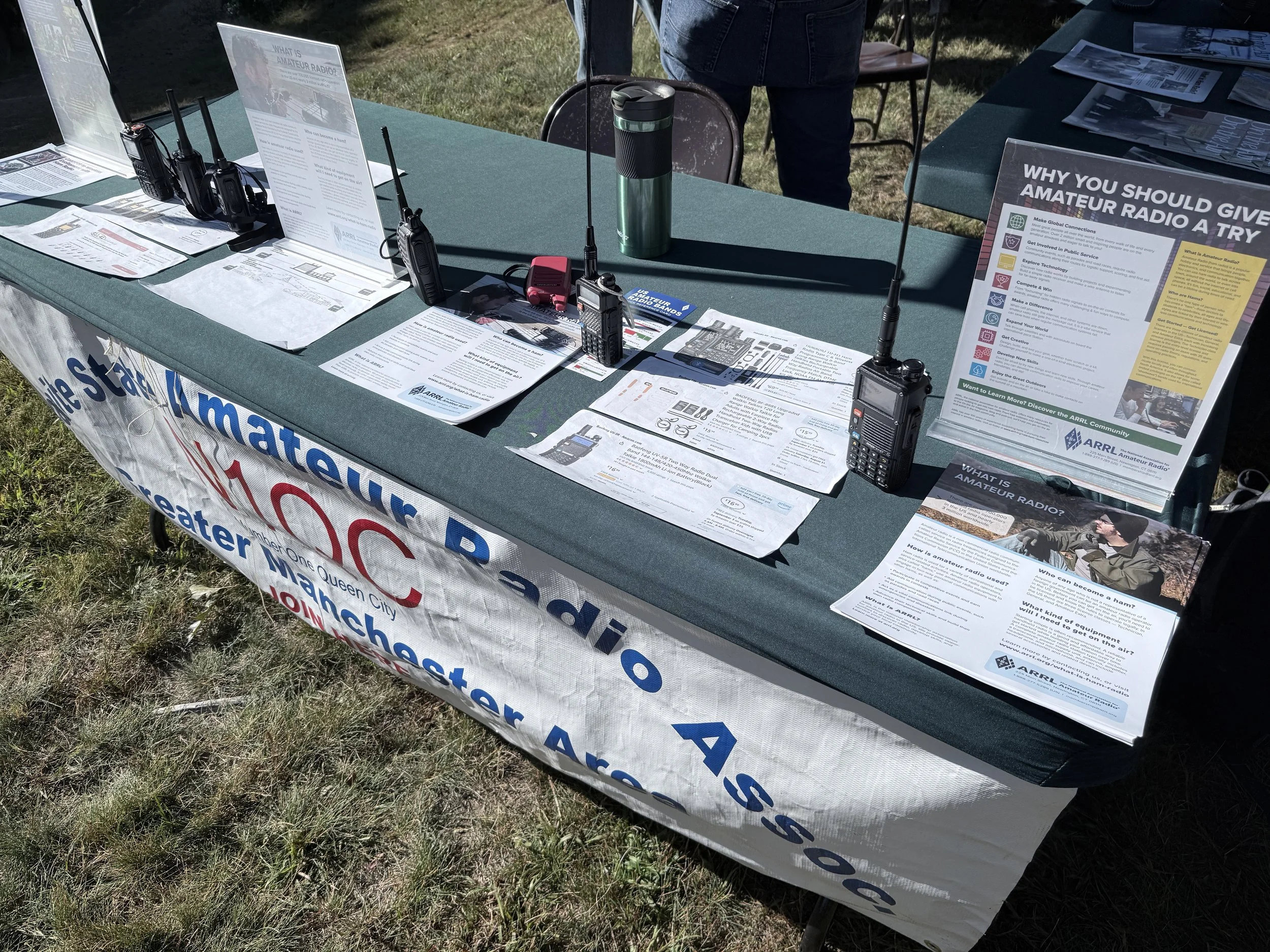
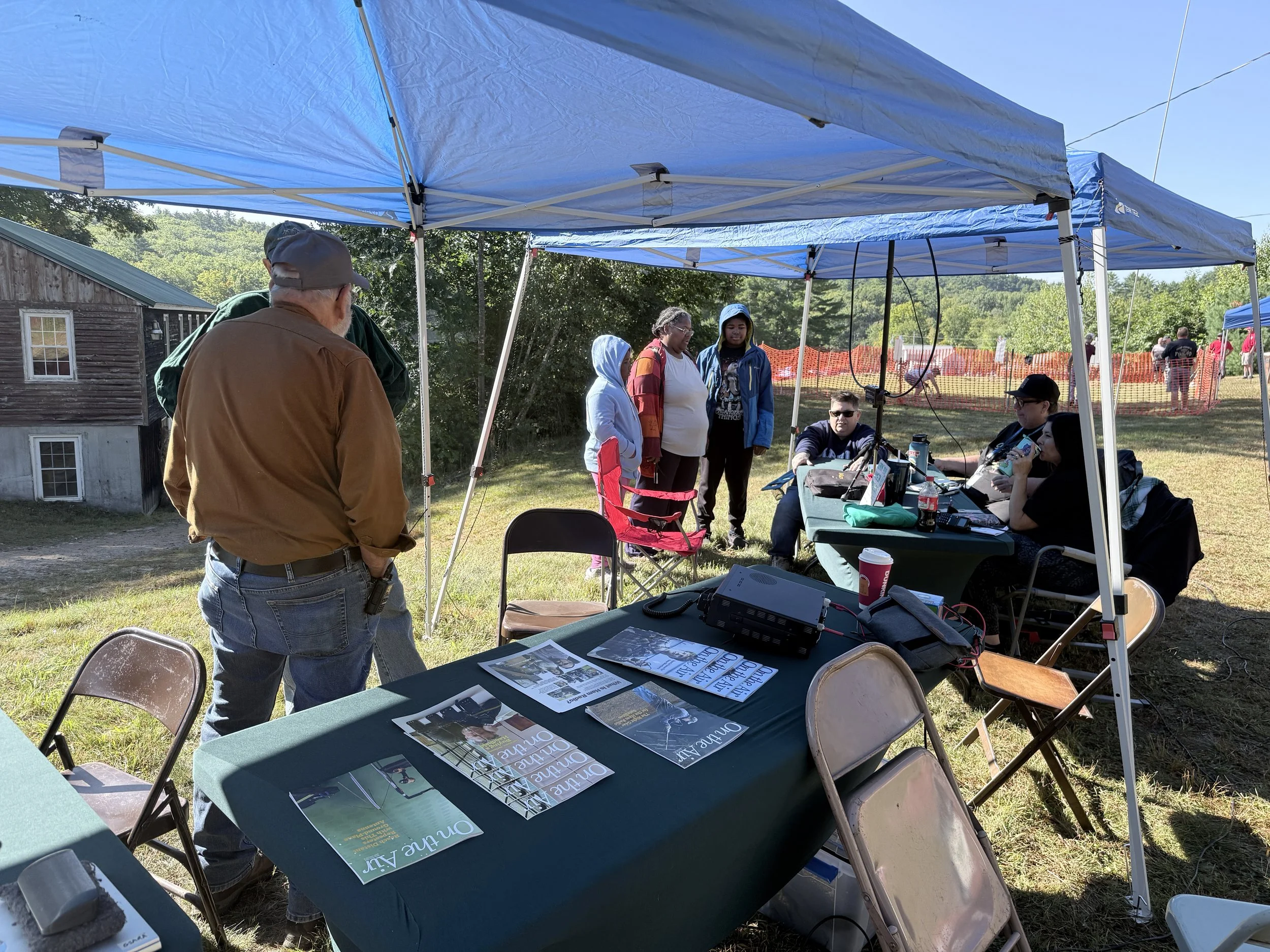
GSARA members attended the local 4-H Agricultural Fair to demonstrate amateur radio to kids, families, and fairgoers who may have never experienced ham radio before.
Representing GSARA for the day were Eric (N1JUR), Annie (KC1YMG), Ralph (KC1TLY), Howard (K9NPD), Rick (N1RJF), Dave (KC1WYE), Tim (WM1H), Kim (KC1VYM), Tamra (KC1YUM), and Zion (KC1YUN).
Throughout the day, members demonstrated several different sides of the hobby — from Morse code and local repeater communications to HF contacts reaching well beyond New Hampshire.
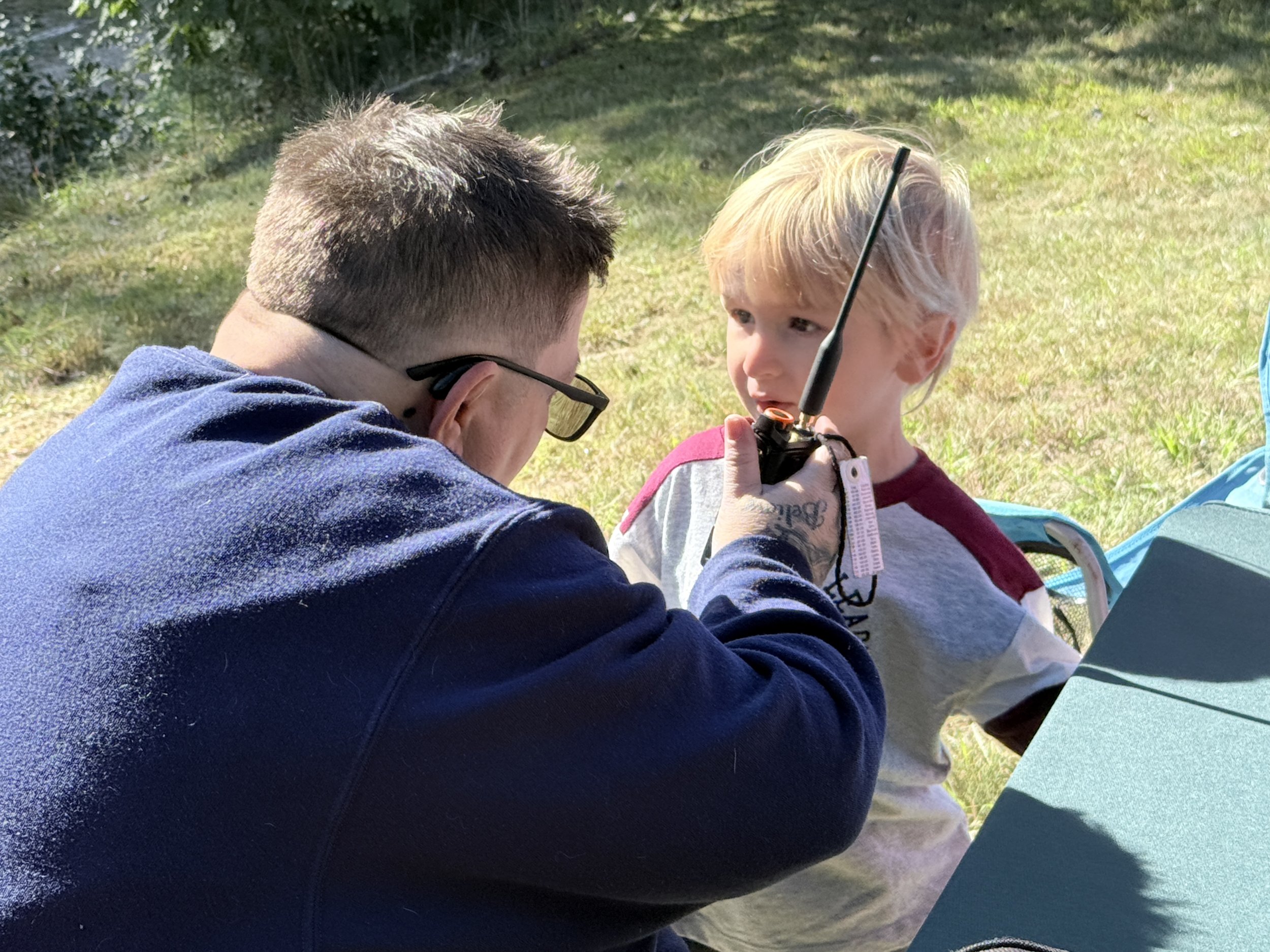
Getting Kids Behind the Microphone
One of the best parts of public events like this is watching someone experience amateur radio for the first time.
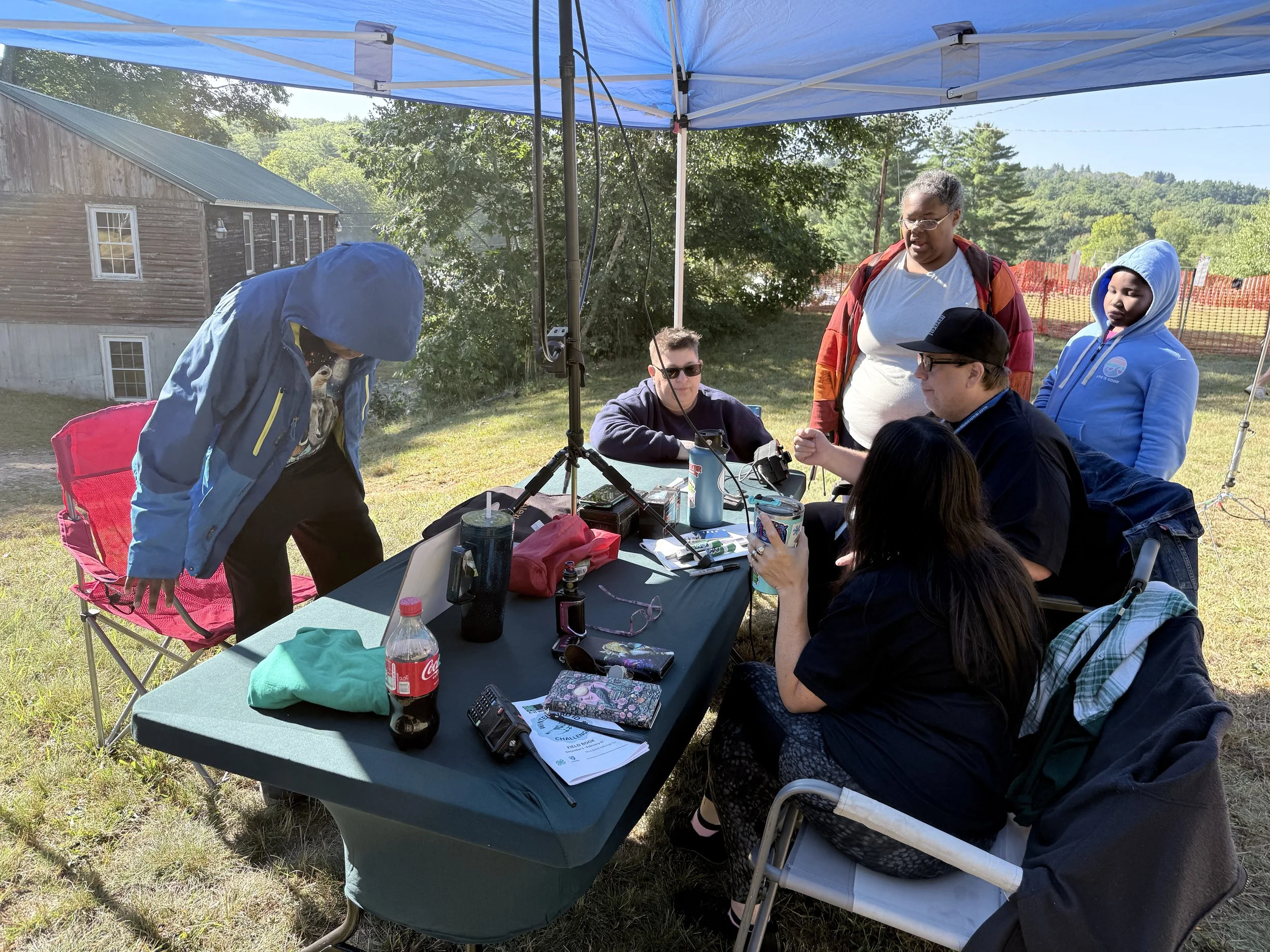
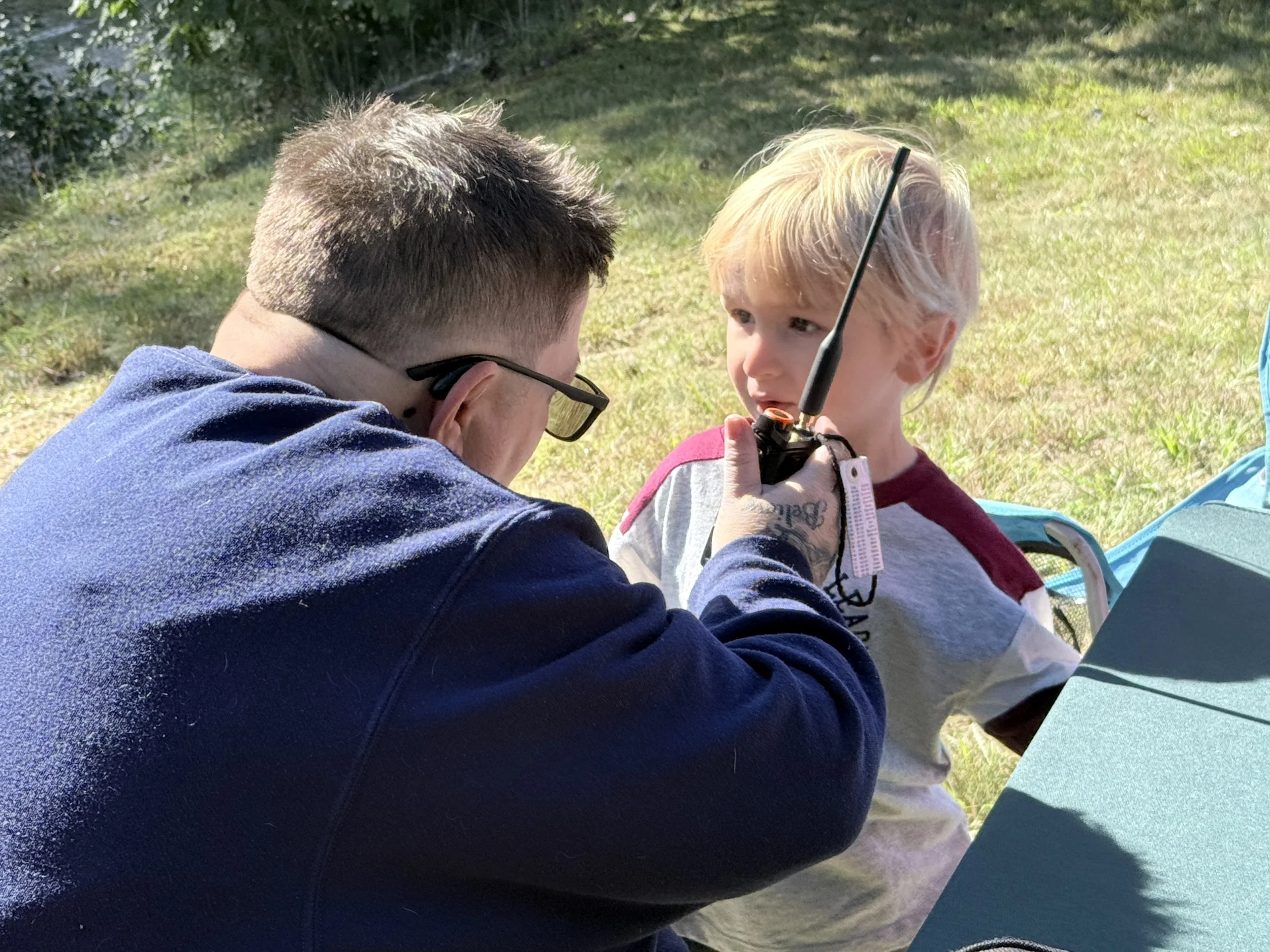
Annie, KC1YMG, helped several kids get behind the microphone and talk with amateur radio operators through local repeaters. For someone who has never used a radio before, hearing another person answer back can be a pretty memorable experience.
It turns radio from something sitting on a table into something real.
You're suddenly communicating with another person somewhere else — without a cell phone, without social media, and without needing to know their phone number.
That moment of hearing someone answer back is often where curiosity begins.
Learning Their Names in Morse Code
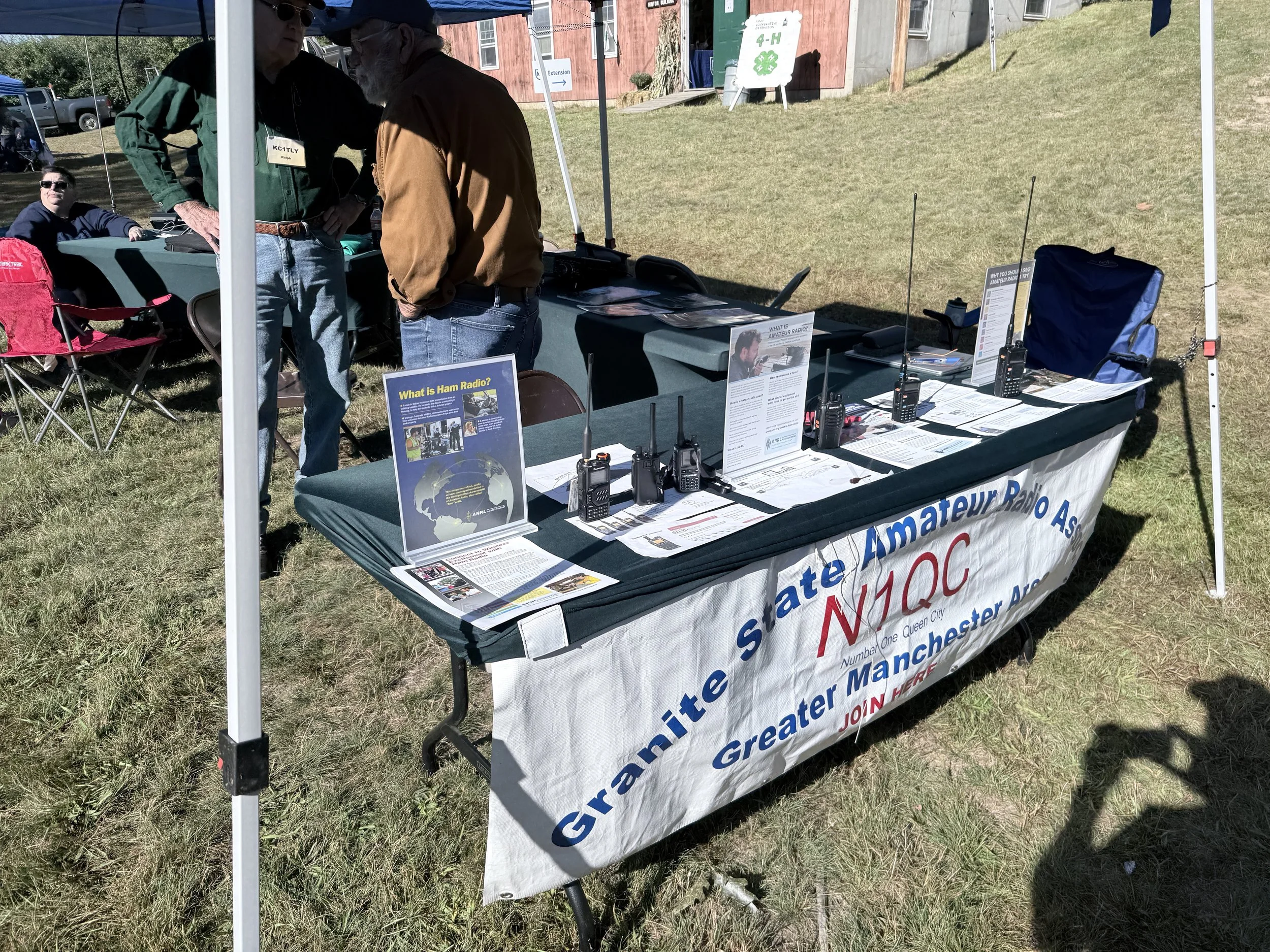
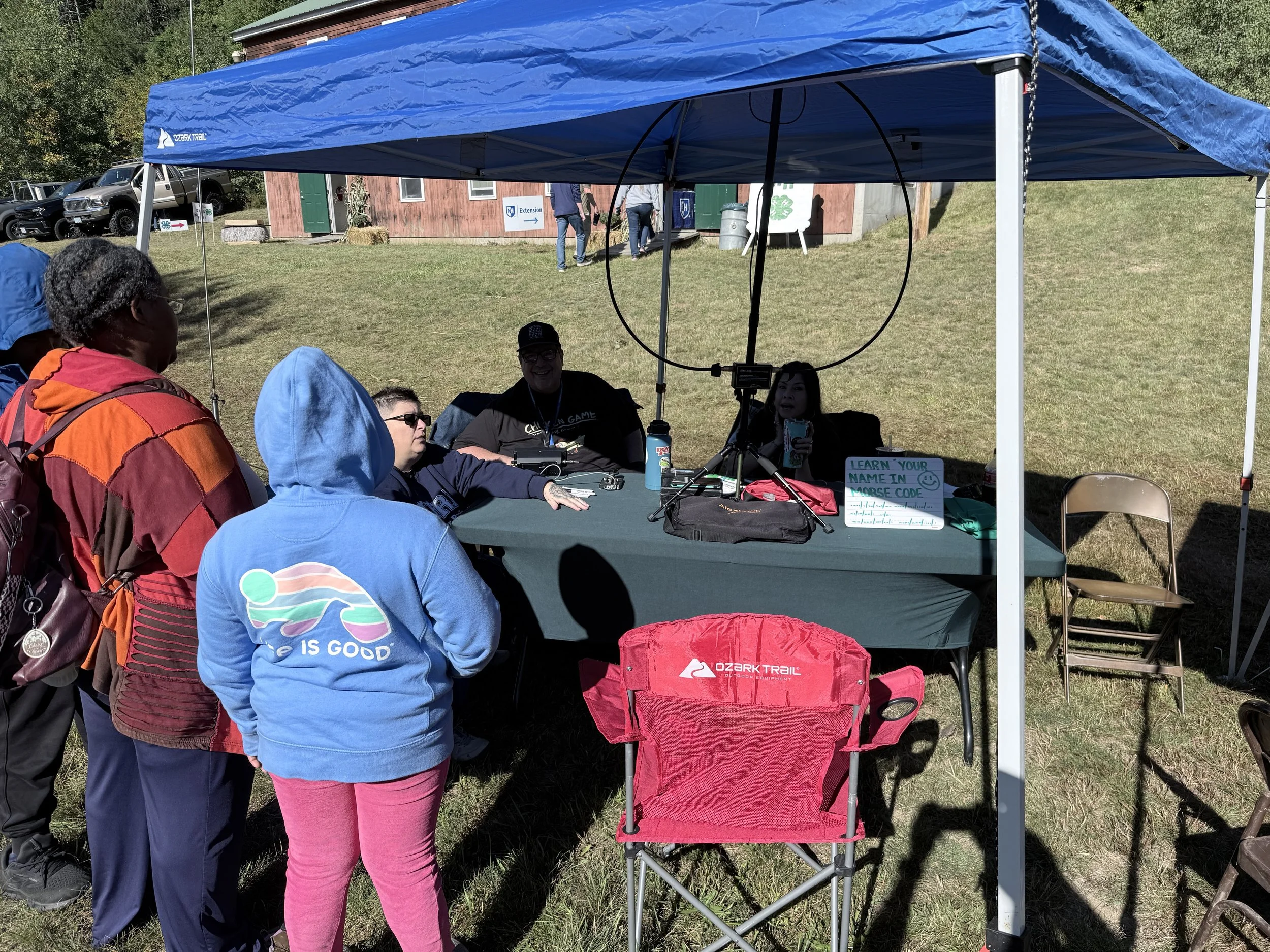
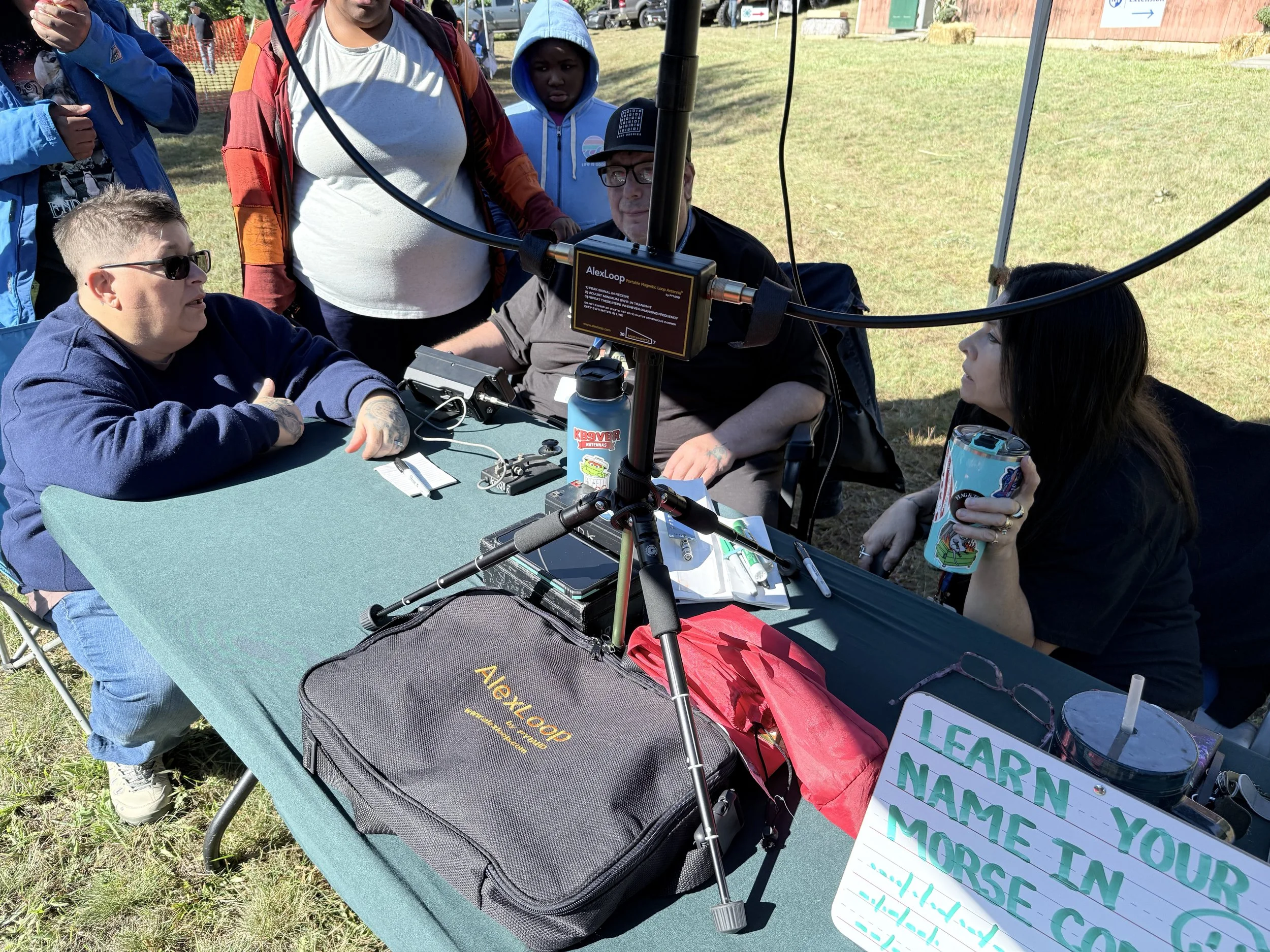
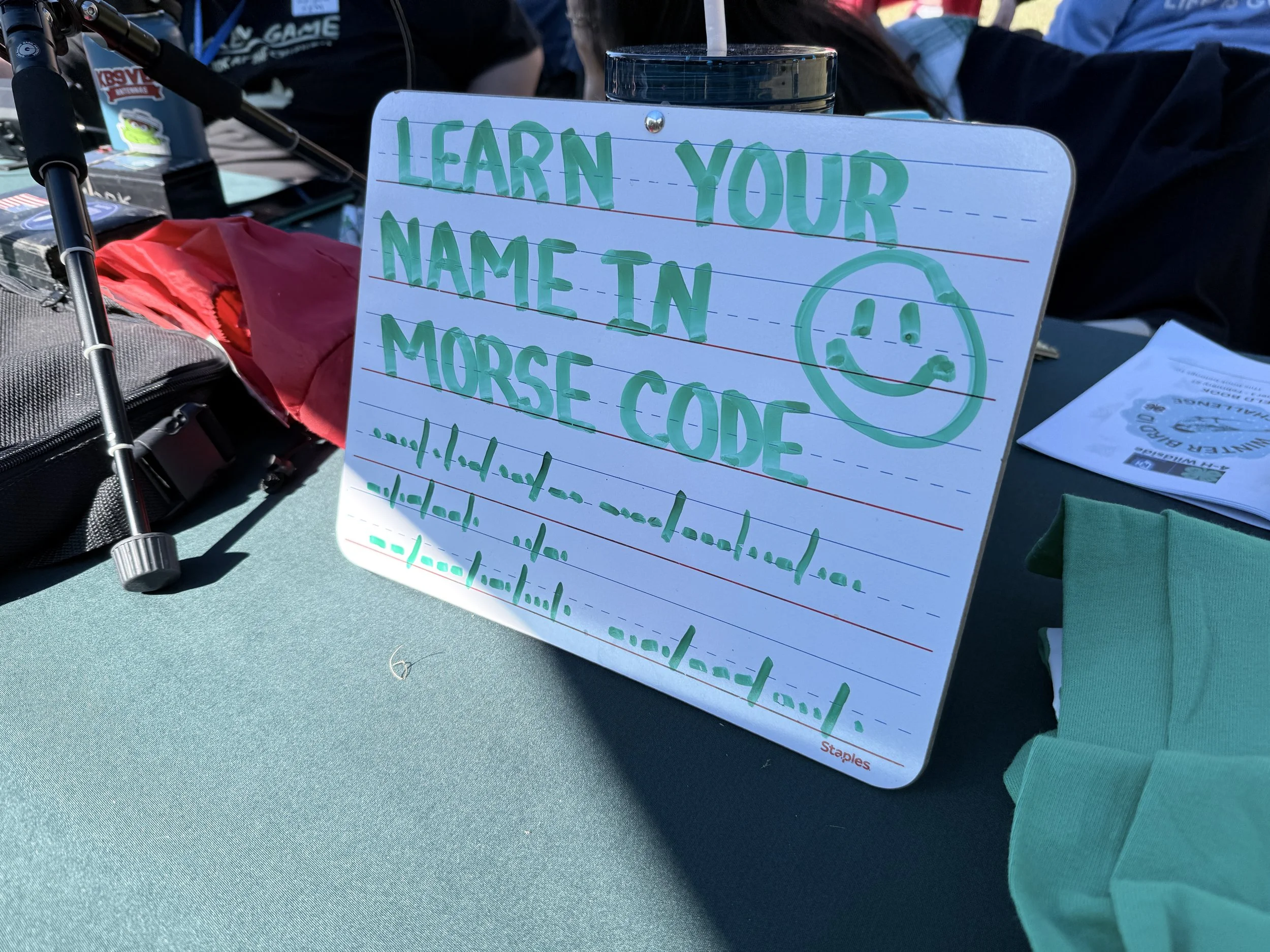
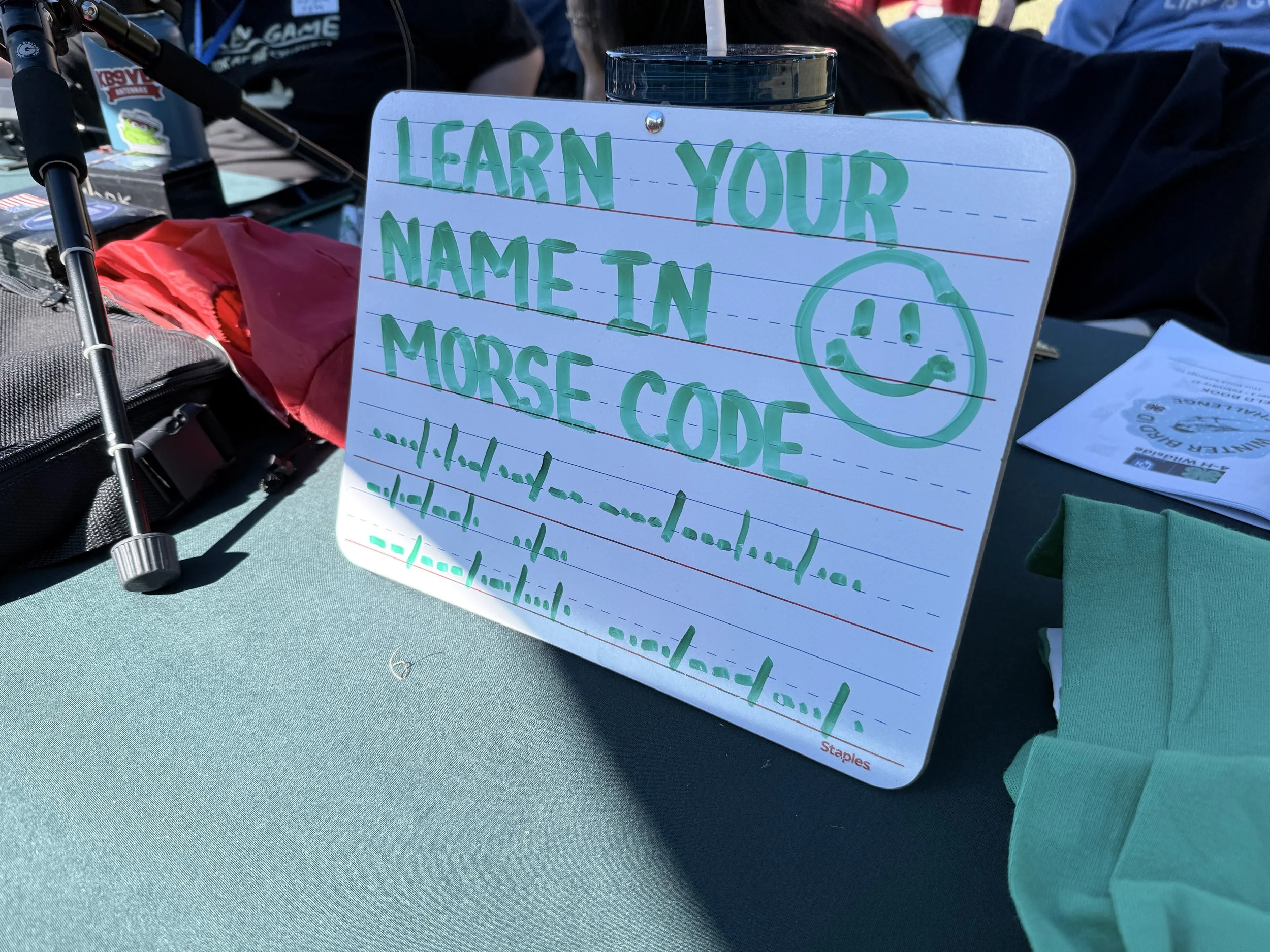
Meanwhile, Tim, WM1H, and Kim, KC1VYM, introduced kids to one of amateur radio's oldest traditions: Morse code.
Several younger fairgoers had the opportunity to learn how their names sounded in Morse and then try sending them themselves.
There was plenty of button pushing, key tapping, dots, dashes, and smiles as kids discovered that communication doesn't always require talking into a microphone.
It's a simple activity, but it is also a great introduction to the idea that amateur radio is much bigger than simply talking on a radio.
There is electronics, radio theory, digital communications, satellites, emergency communications, Morse code, experimentation, building antennas, portable operating, and countless other directions someone can take the hobby.
Around the World From the Fairgrounds
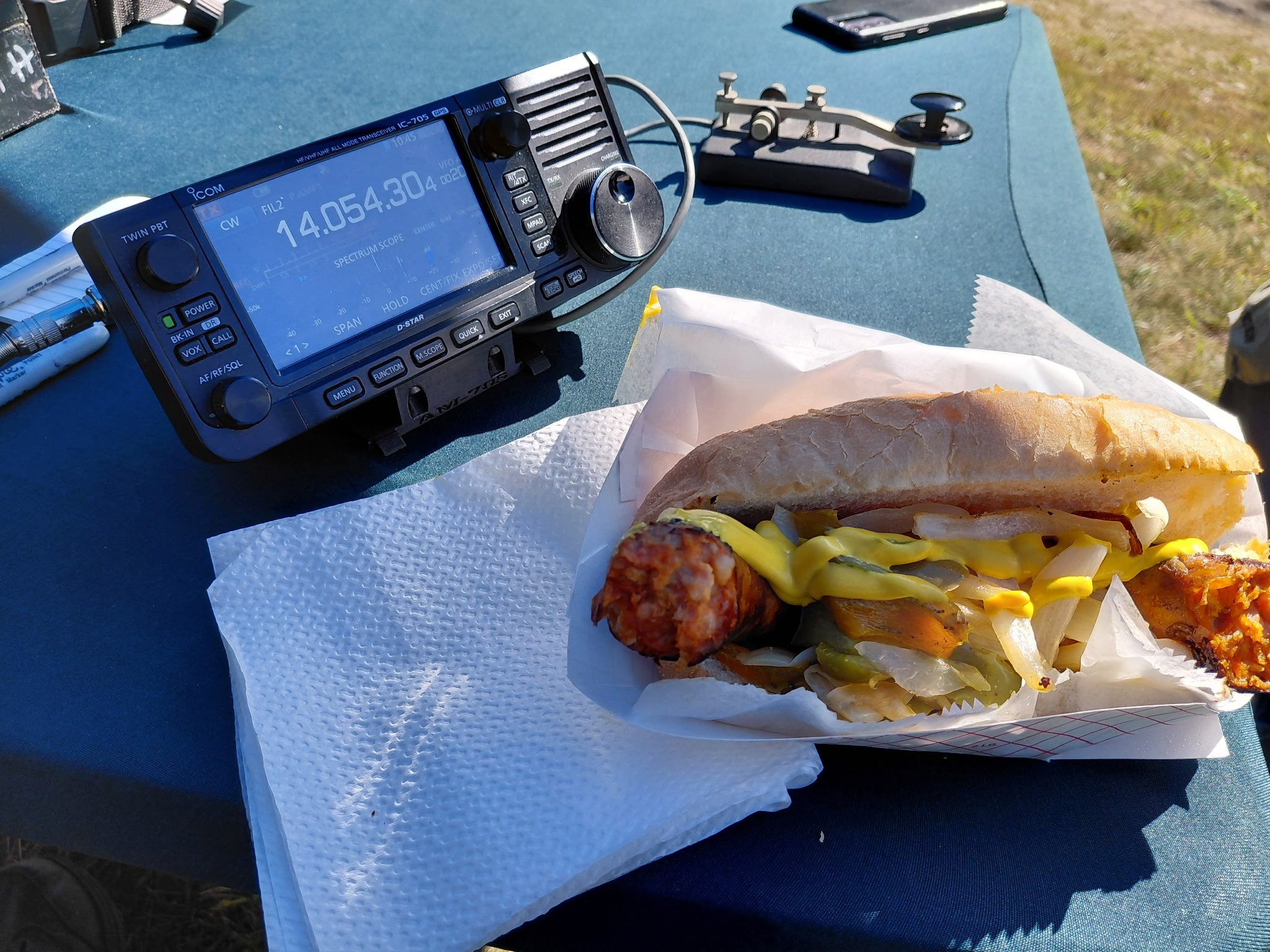
Of course, we couldn't set up a ham radio demonstration without putting an HF station on the air.
GSARA operated a station on 20 meters, making contacts both around the United States and overseas.
During the day, operators were able to work several DX stations, including contacts in Belgium and France, along with plenty of stations stateside.
One table might have someone talking through a local repeater only a few towns away, while just a short distance away another operator is using a wire antenna and HF radio to talk to someone thousands of miles away in Europe.
That's one of the things that continues to make amateur radio fascinating.
There is always another mode, another band, another antenna, another operating style, or another challenge to try.
Sometimes Ham Radio Is Just Hanging Out
Not every part of the day involved making contacts or demonstrating equipment.
There was also plenty of what might be one of the most important parts of amateur radio: fellowship.
Members spent the day talking radio, answering questions, meeting people from the community, swapping stories, and just enjoying hanging out together.
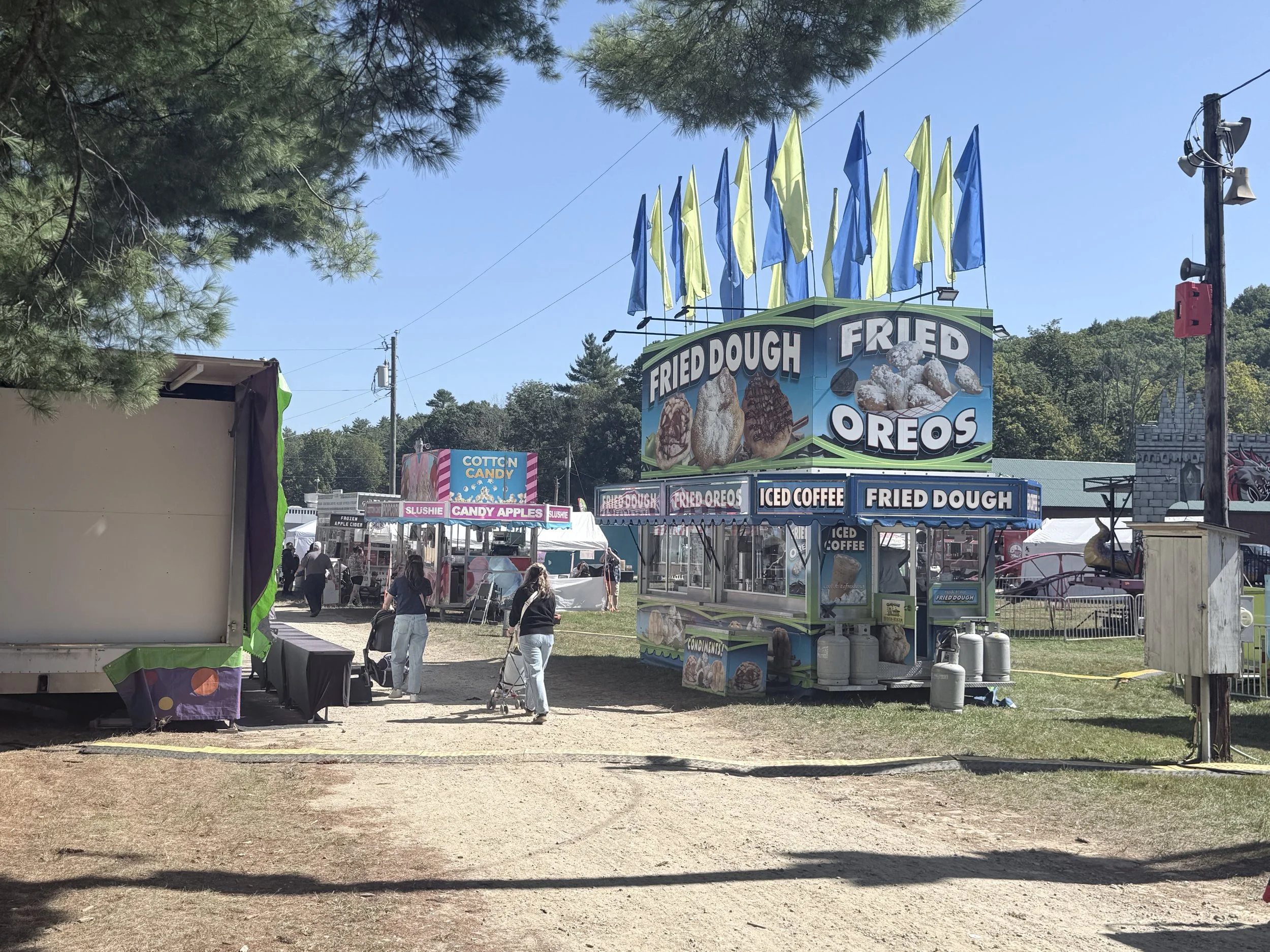
And because this was an agricultural fair, there was certainly no shortage of fair food making its way through the GSARA booth either.
Sometimes amateur radio is about chasing DX.
Sometimes it's about experimenting with antennas.
Sometimes it's helping someone make their first radio contact.
And sometimes it's sitting around with other hams, eating fair food and talking about radios.
All of those things are part of the hobby.
Bringing Amateur Radio Back Into the Community
Events like the 4-H Agricultural Fair are important because they give people an opportunity to discover amateur radio in person.
Instead of simply seeing a radio online or hearing someone describe the hobby, visitors can actually touch the equipment, hear the signals, send Morse code, talk on a repeater, and watch operators make contacts around the world.
For kids especially, that hands-on experience can make all the difference.
GSARA has continued working to introduce amateur radio through community events, STEM activities, youth programs, demonstrations, and other opportunities where we can put radios in front of people who may have never considered becoming amateur radio operators themselves.
The 4-H Agricultural Fair was another great example of what happens when amateur radio gets out of the shack and into the community.
It was a great day of radio, friendship, fair food, and introducing both kids and adults to everything amateur radio has to offer.
Most importantly, a few people walked away having spoken on a radio or sent Morse code for the very first time.
And who knows?
One of them might just be a future ham.
Thank you to every GSARA member who volunteered their time, equipment, and experience to make the day possible — and thank you to everyone who stopped by to see what amateur radio is all about.