Five Days of Radio, Discovery, and Fun at World Academy Ham Radio Camp
What happens when you give 12 curious kids handheld radios, teach them how antennas work, and send them hunting for hidden transmitters?
You get five unforgettable days of learning, teamwork, exploration, and plenty of excitement!
The recent Ham Radio Summer Camp at World Academy introduced students to the many possibilities of amateur radio. From talking on local repeaters and building antennas to making long-distance contacts from a state park, the campers enjoyed a hands-on experience that left many of them asking an exciting question: “How can I get licensed and earn my own call sign?”
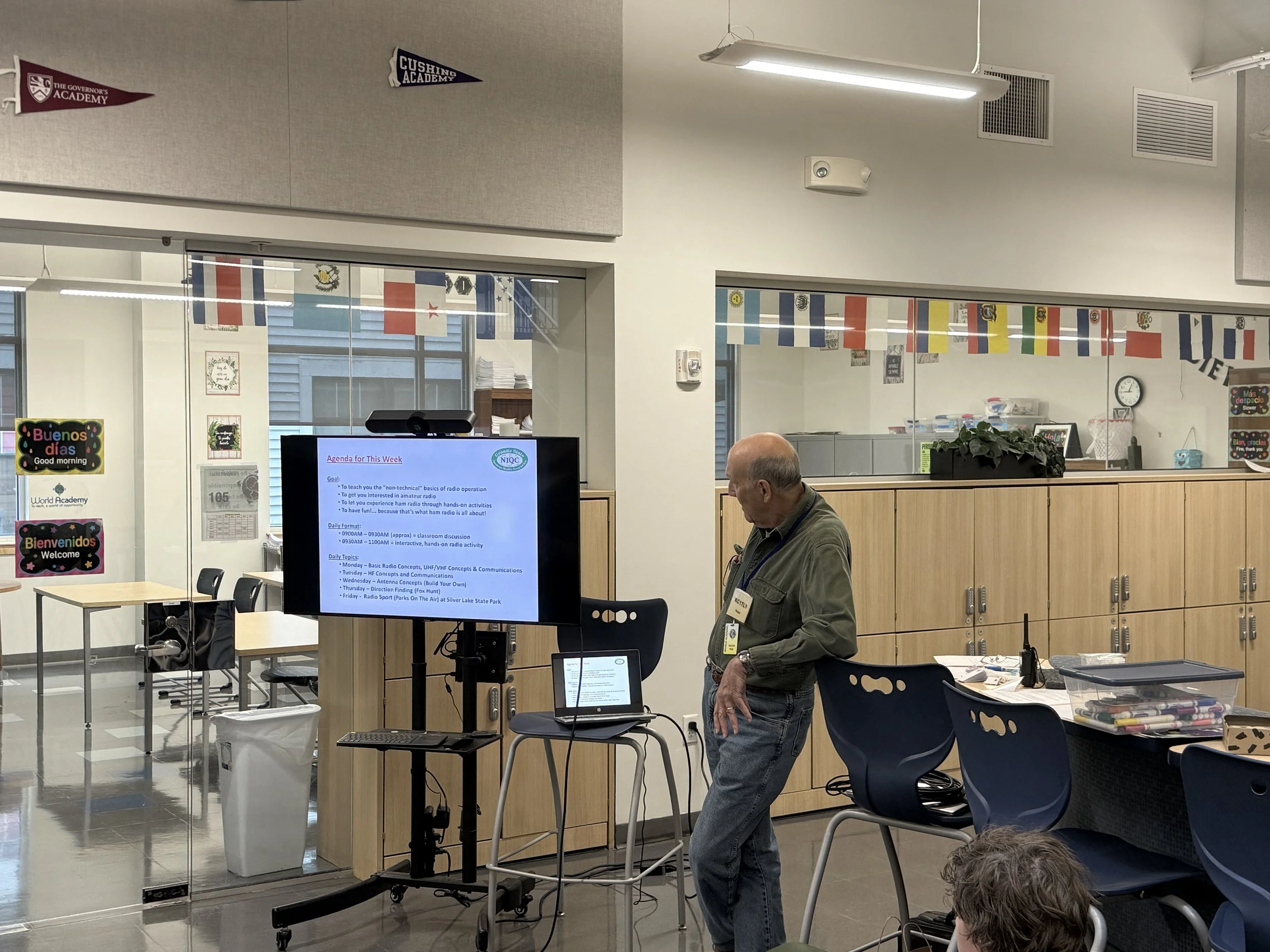
Day 1: Getting on the Air
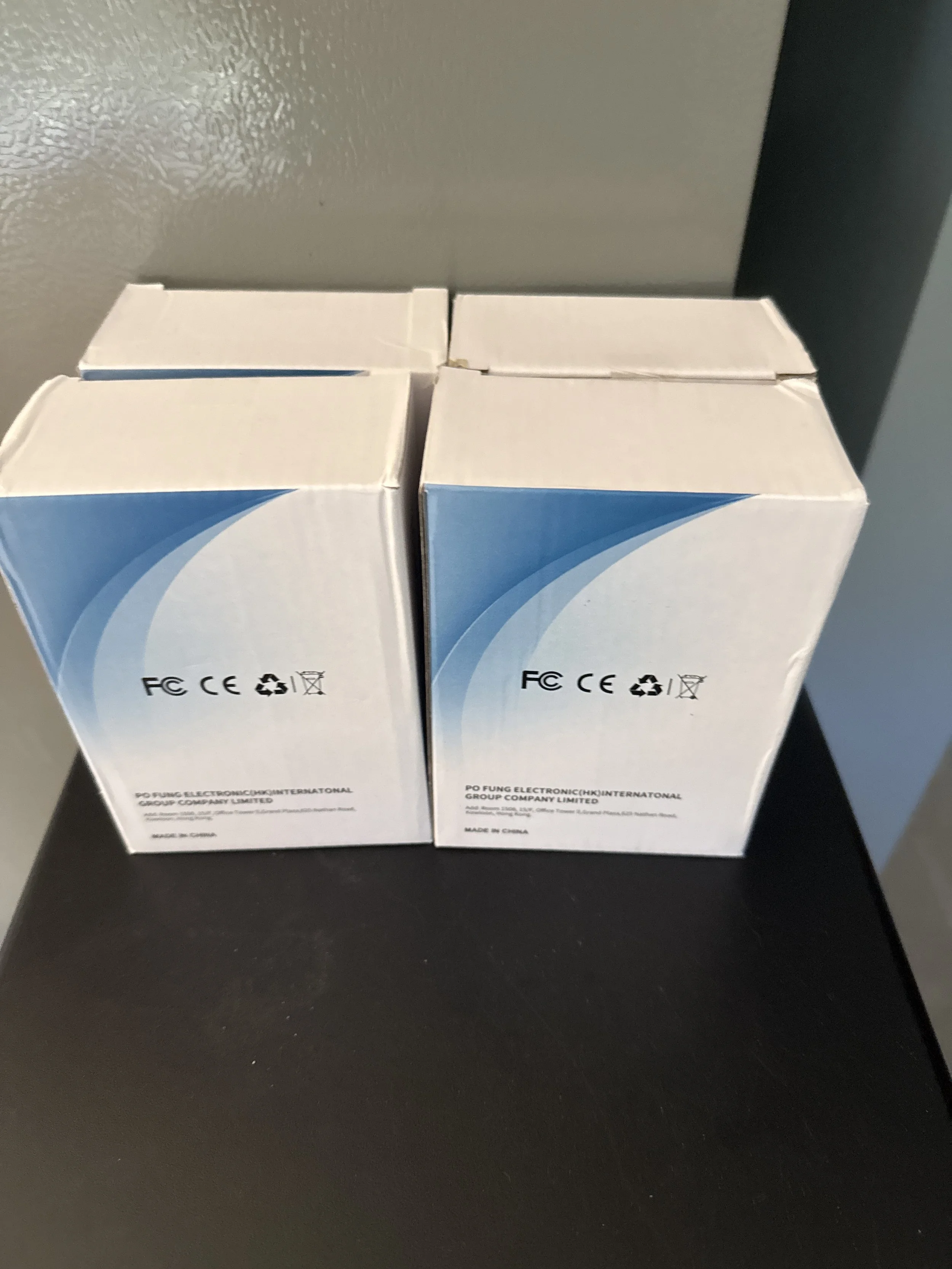
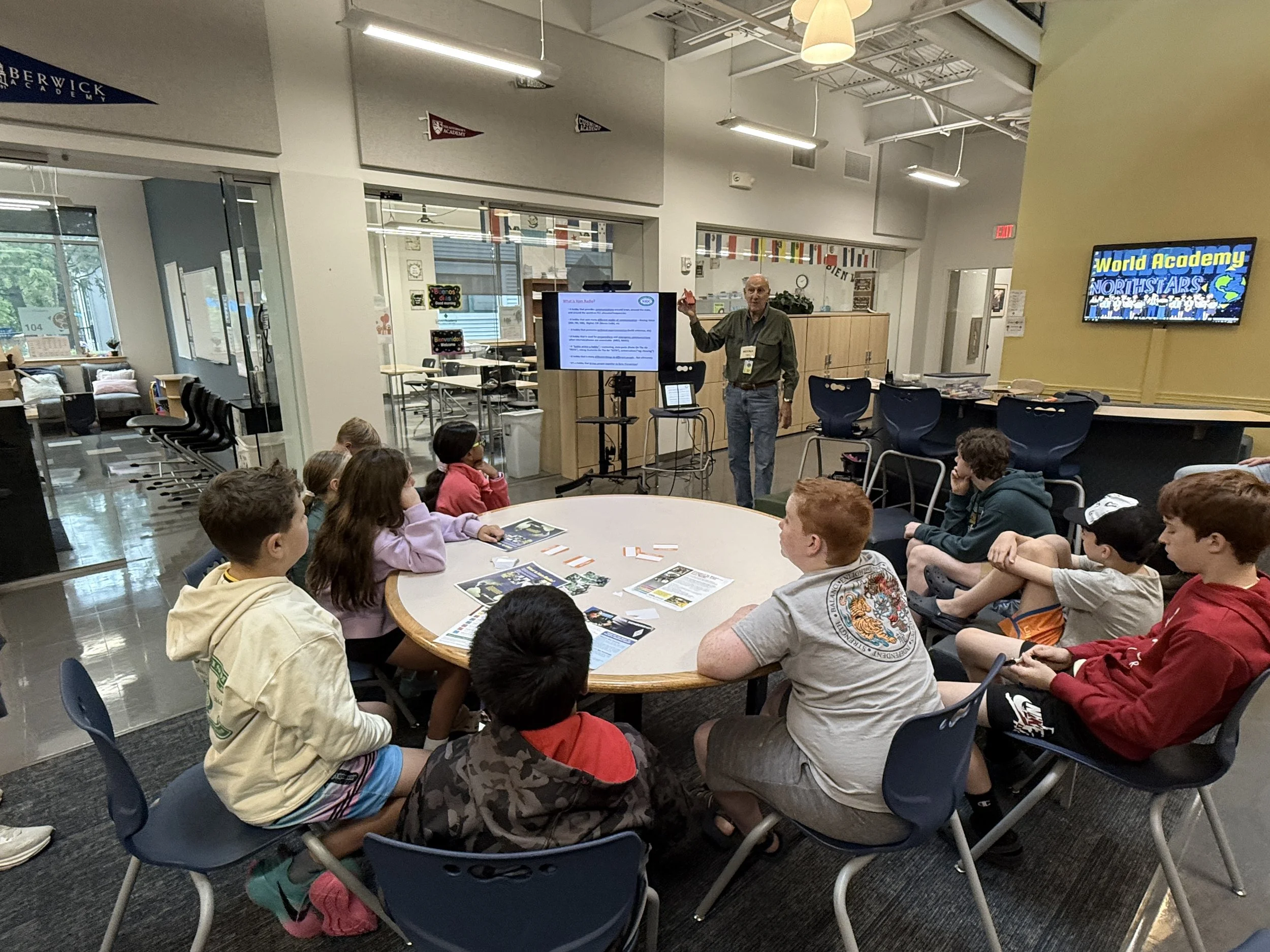
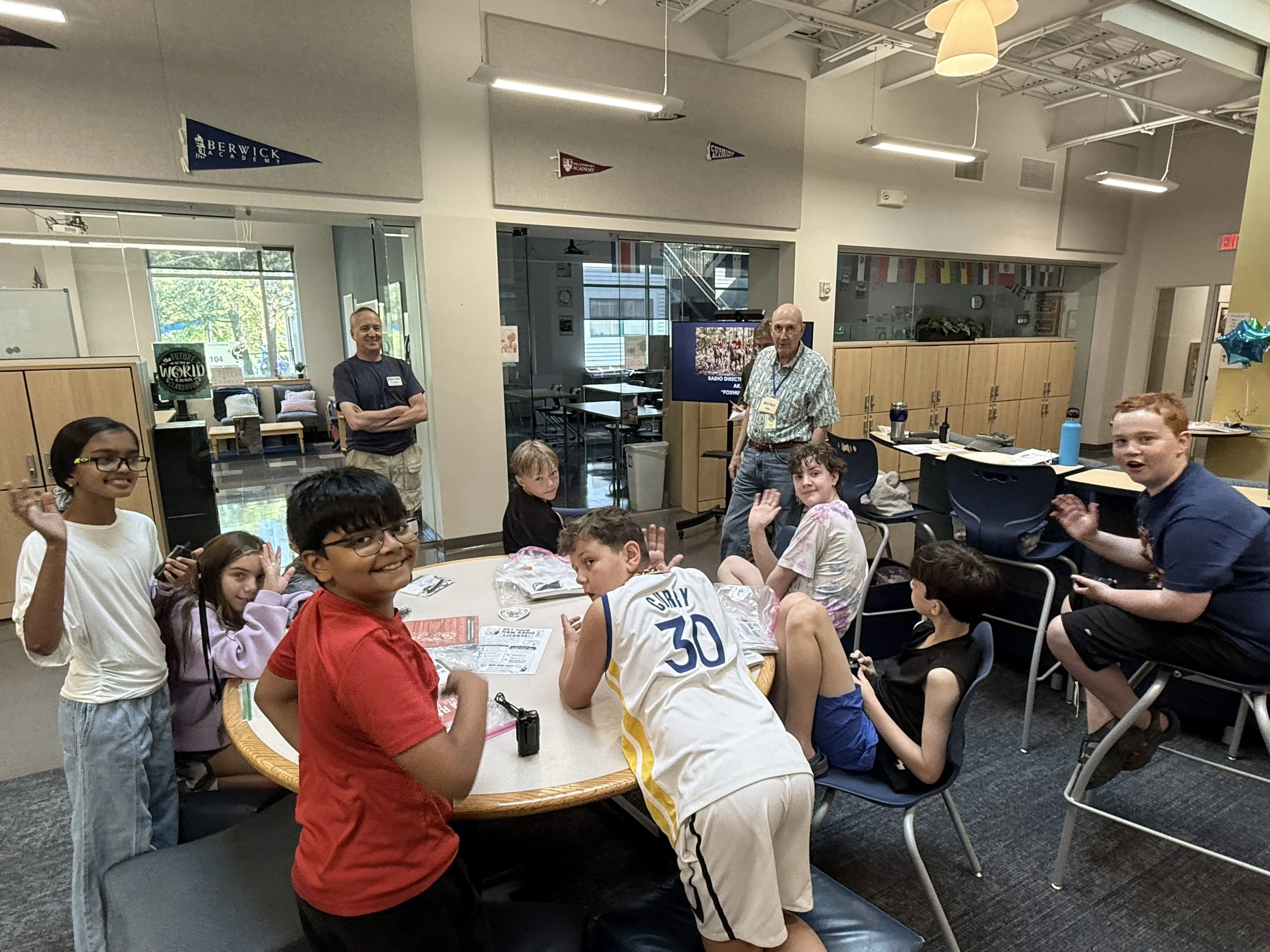
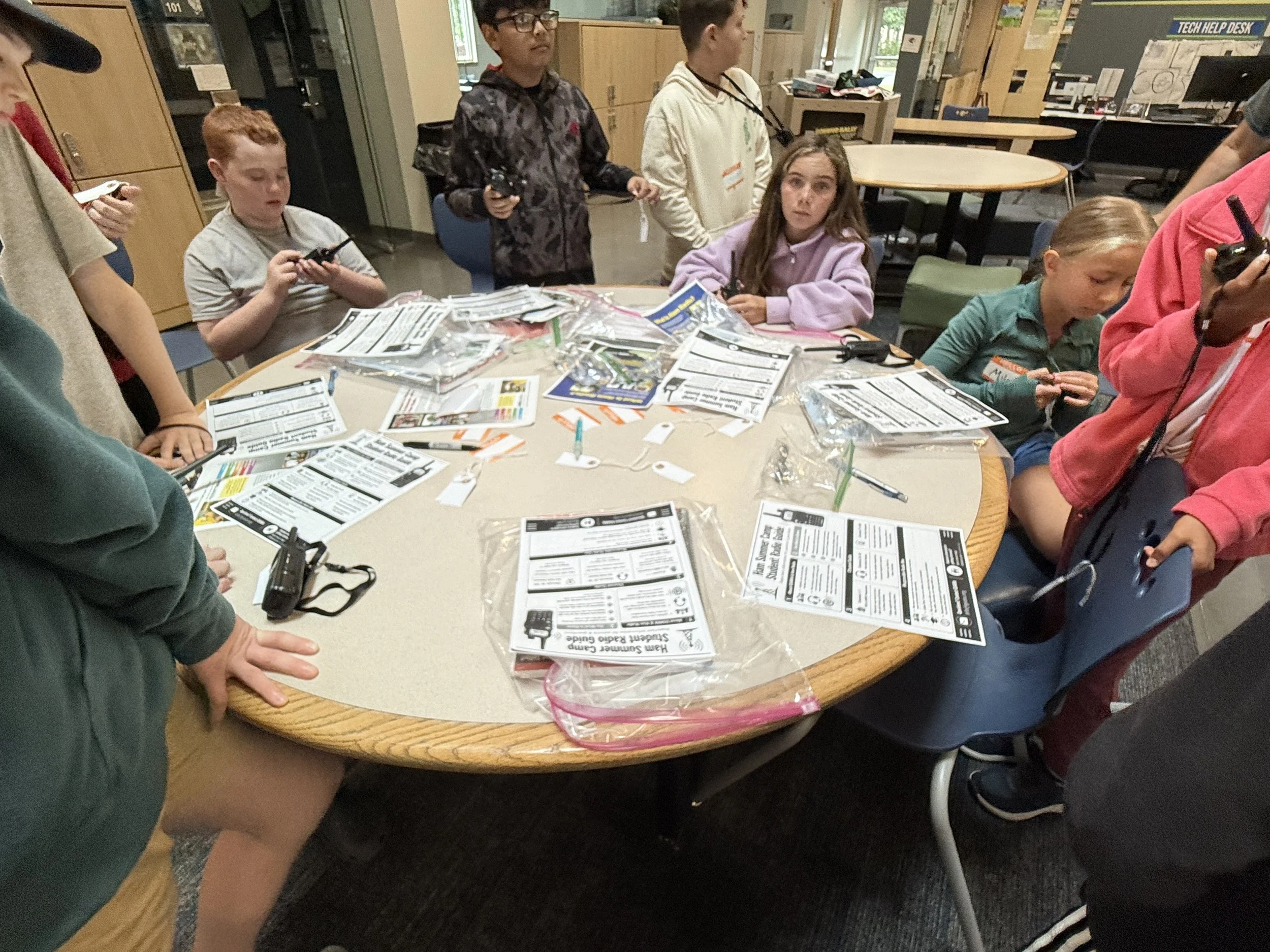
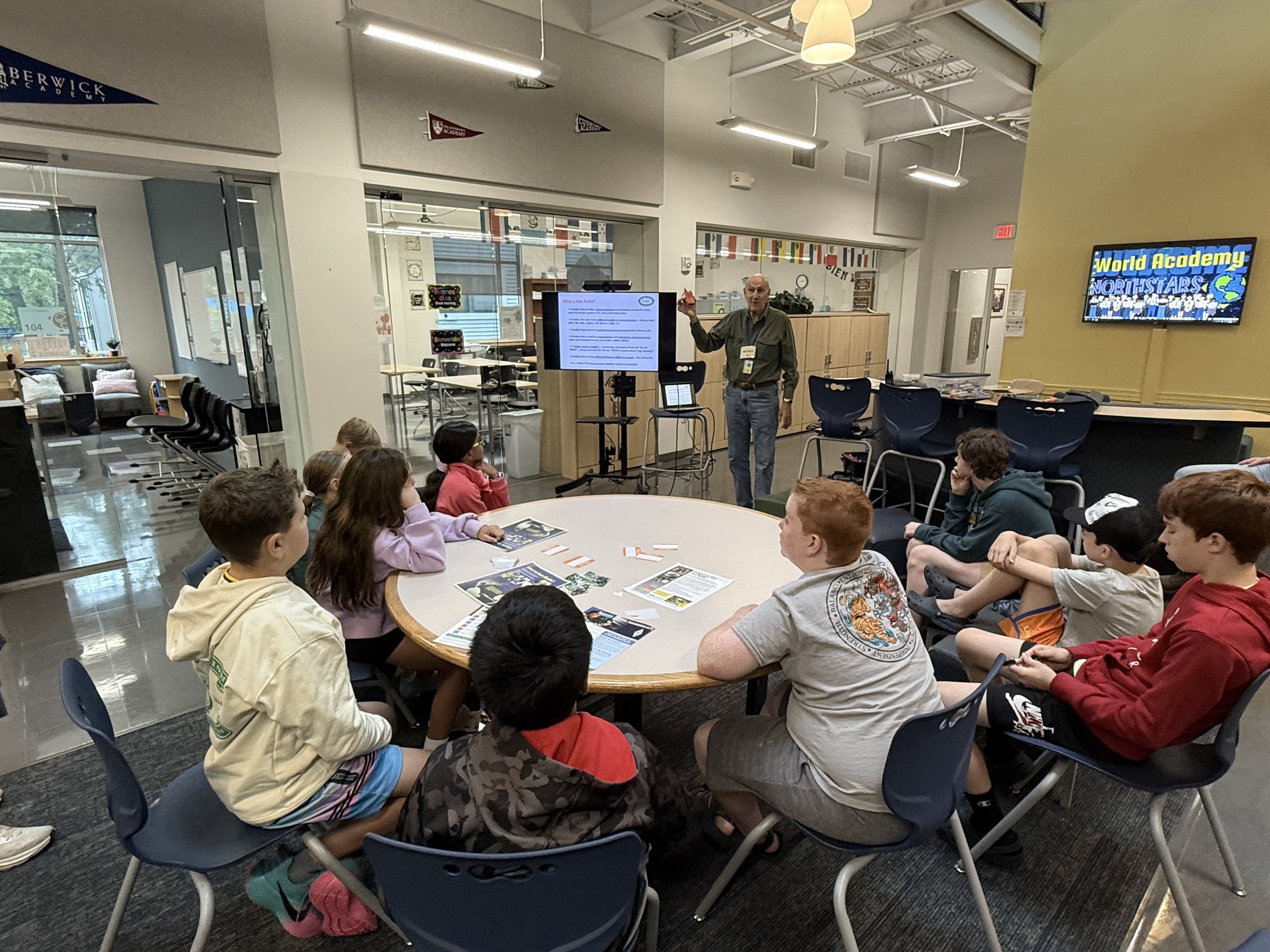
Camp began with a very special surprise: each of the 12 students received a Baofeng Mini handheld radio donated by Radioddity.
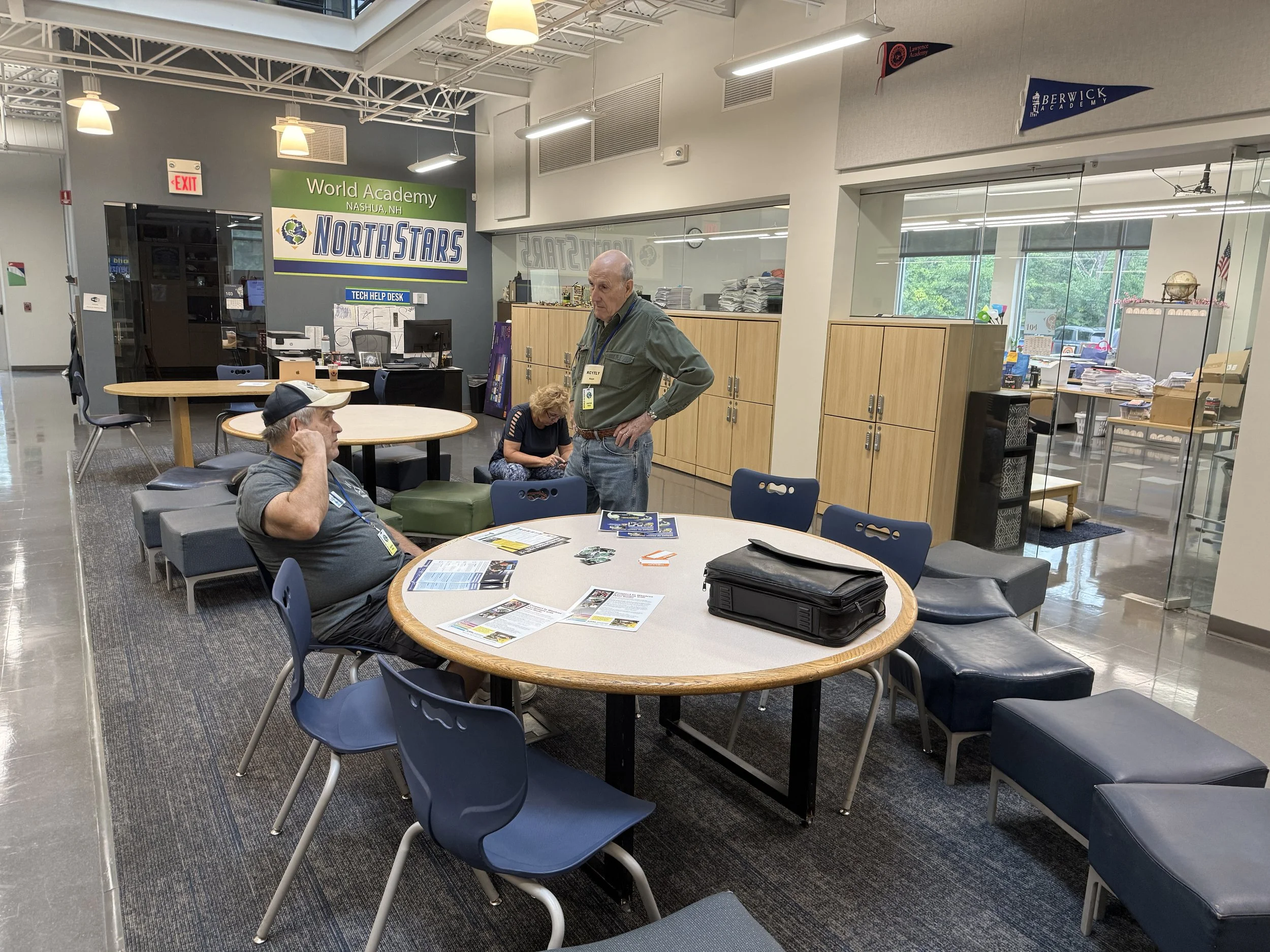
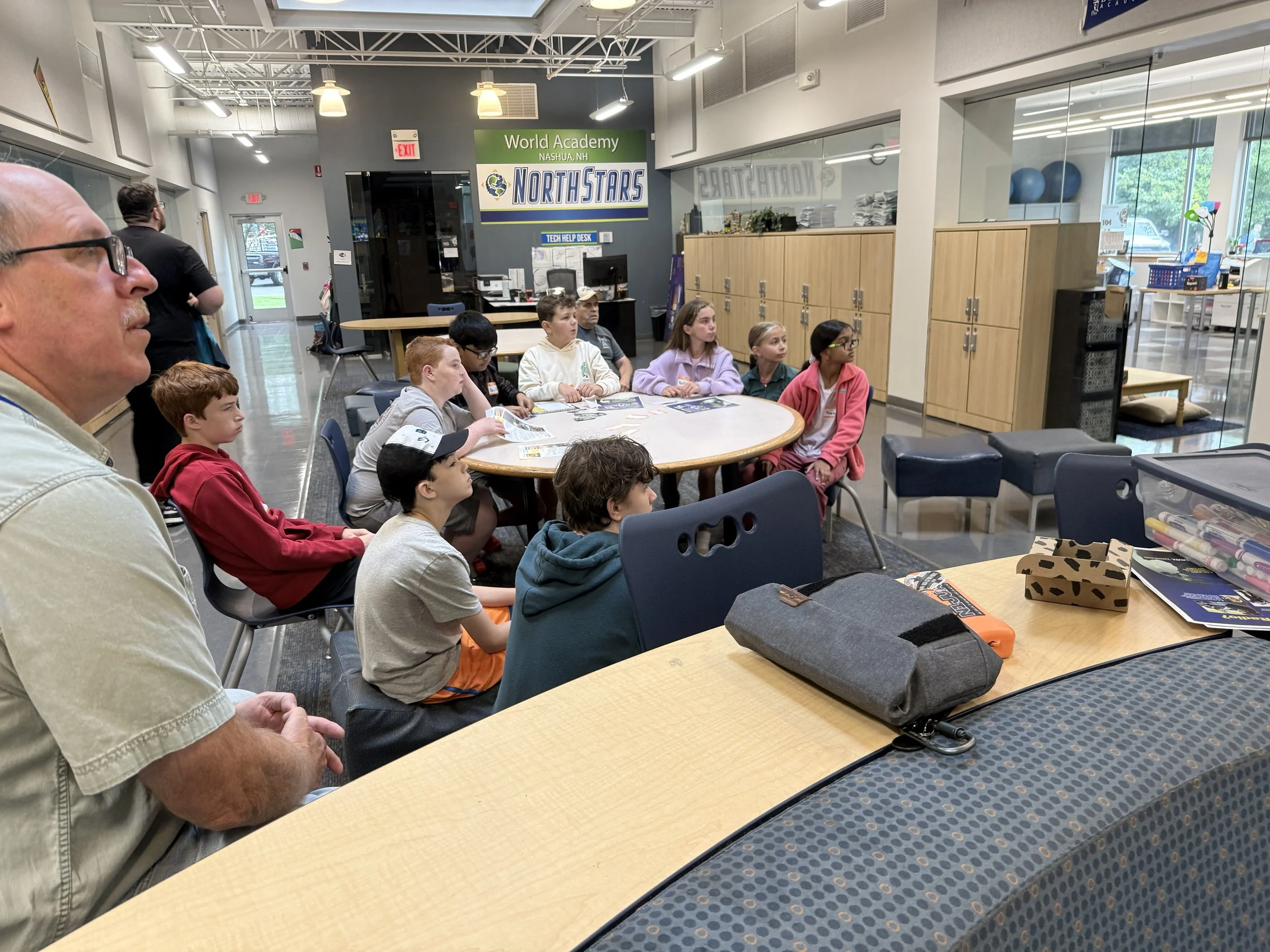
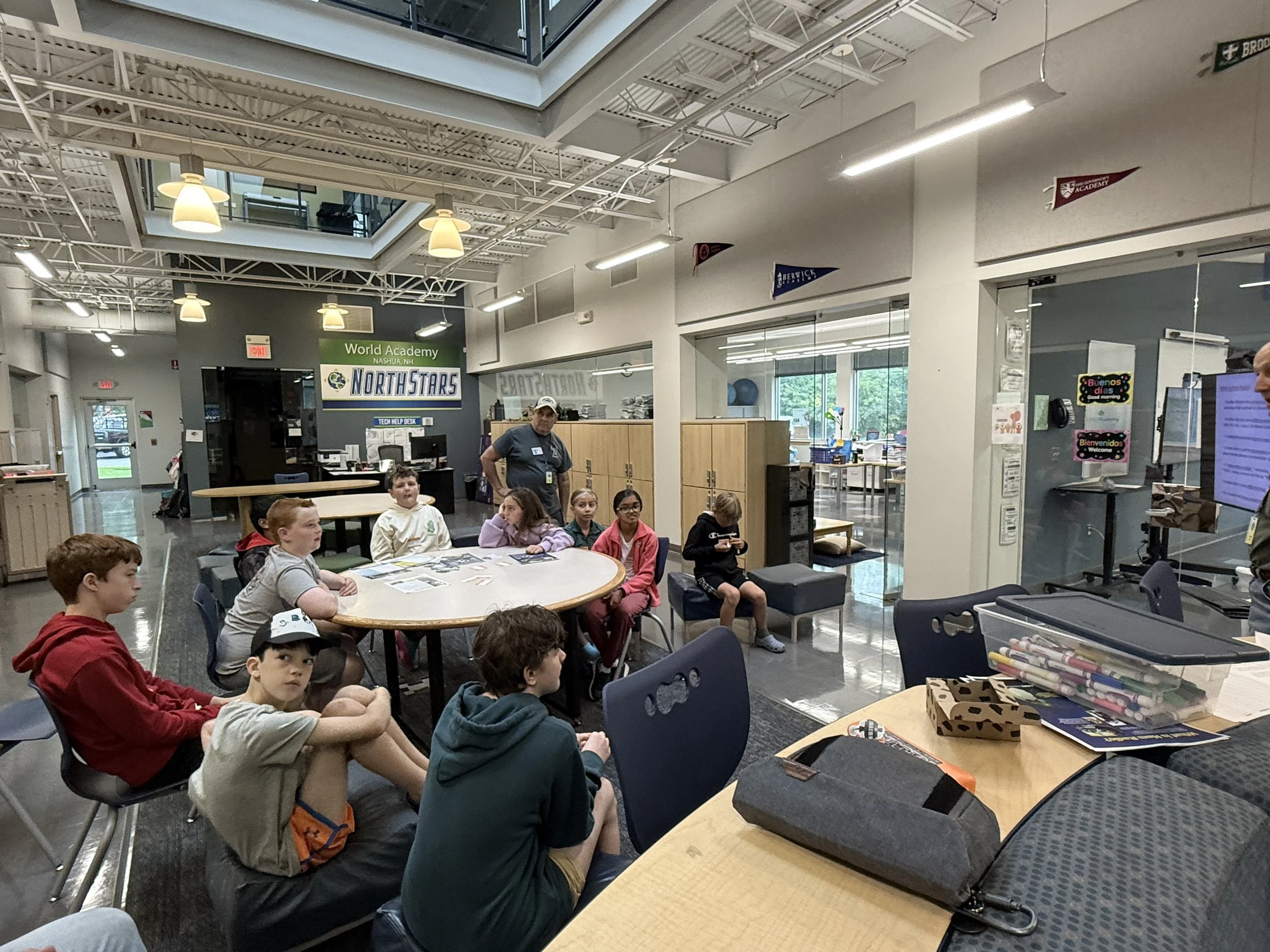
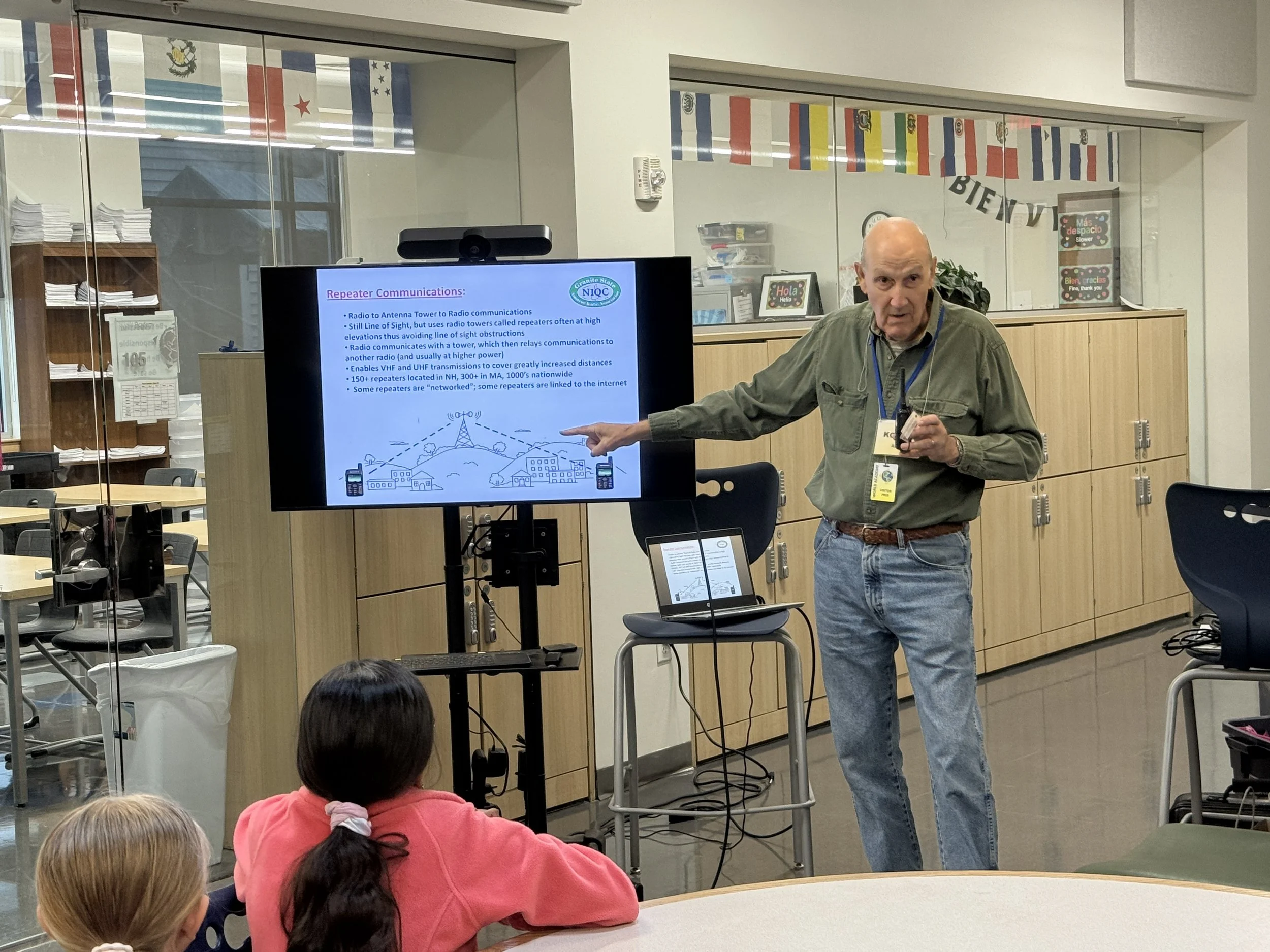
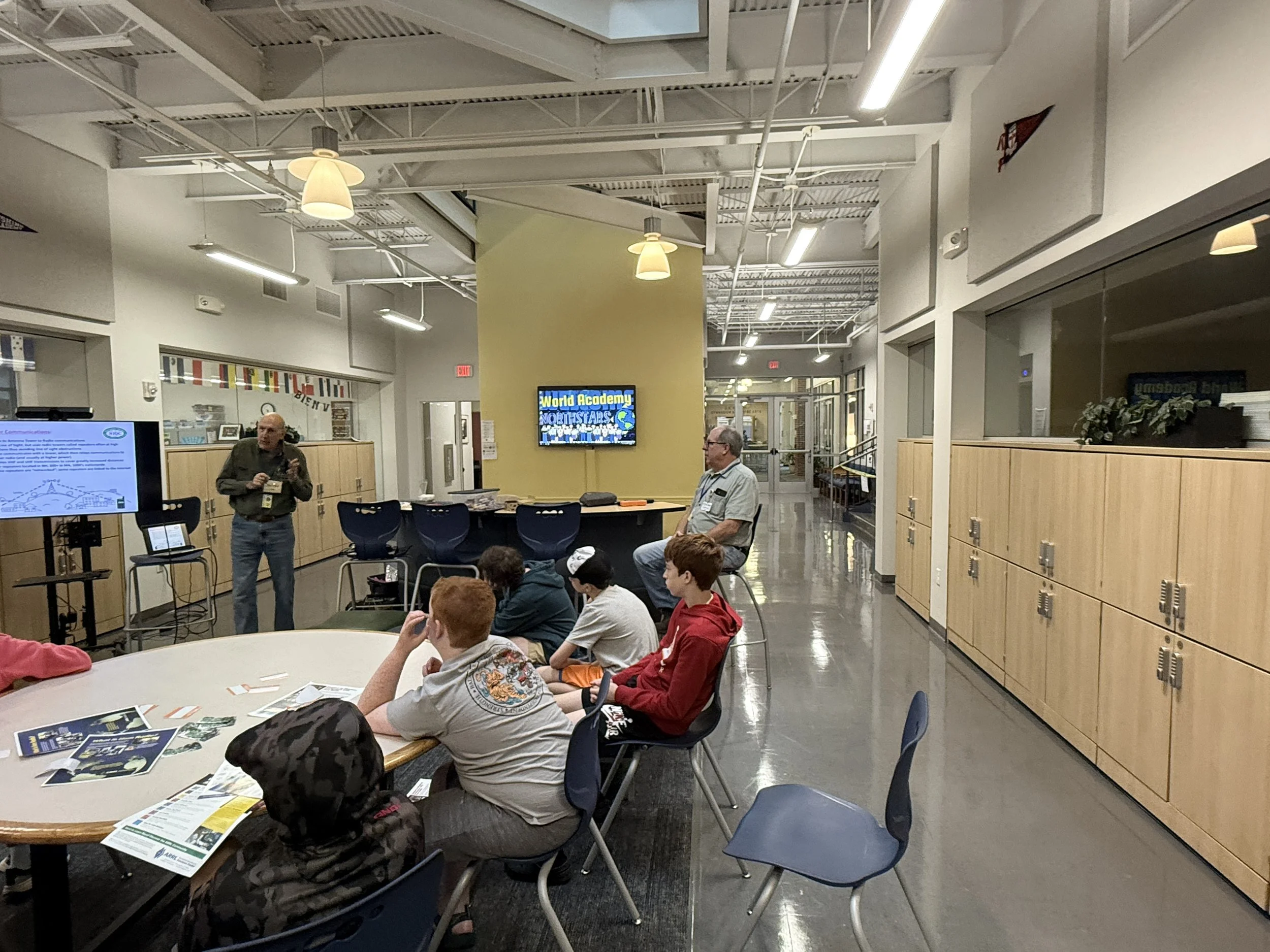
Ralph (KC1TLY), Eric (N1JUR), Bill (KC1WWB), and Mike (KB1QVO) helped the students learn how to use their new radios properly and understand their features. The campers practiced talking with one another on FRS frequencies while learning about “line of sight” and how terrain and obstacles can affect radio signals.
We also coordinated scheduled conversations with licensed amateur radio operators on several local repeaters. With hams standing by to answer their calls, the students had the exciting experience of talking with real operators and learning how repeater conversations work.
A big thank-you goes to the local radio clubs, repeater owners, and amateur radio operators who made their repeaters and their time available for this activity. Their support gave the campers a welcoming and memorable first experience on the air.
The students also used their radios during fox hunts, while parents received additional information about amateur radio and encouragement to consider getting licensed.
It was a fun and energetic start—and the campers were already beginning to sound like experienced radio operators!
Day 2: Exploring HF and Hunting the Fox
On the second day, we welcomed New Hampshire Section Manager Dennis Markel (N1IMW), who stopped by to say hello, encourage the students, and share some of the opportunities available through amateur radio.
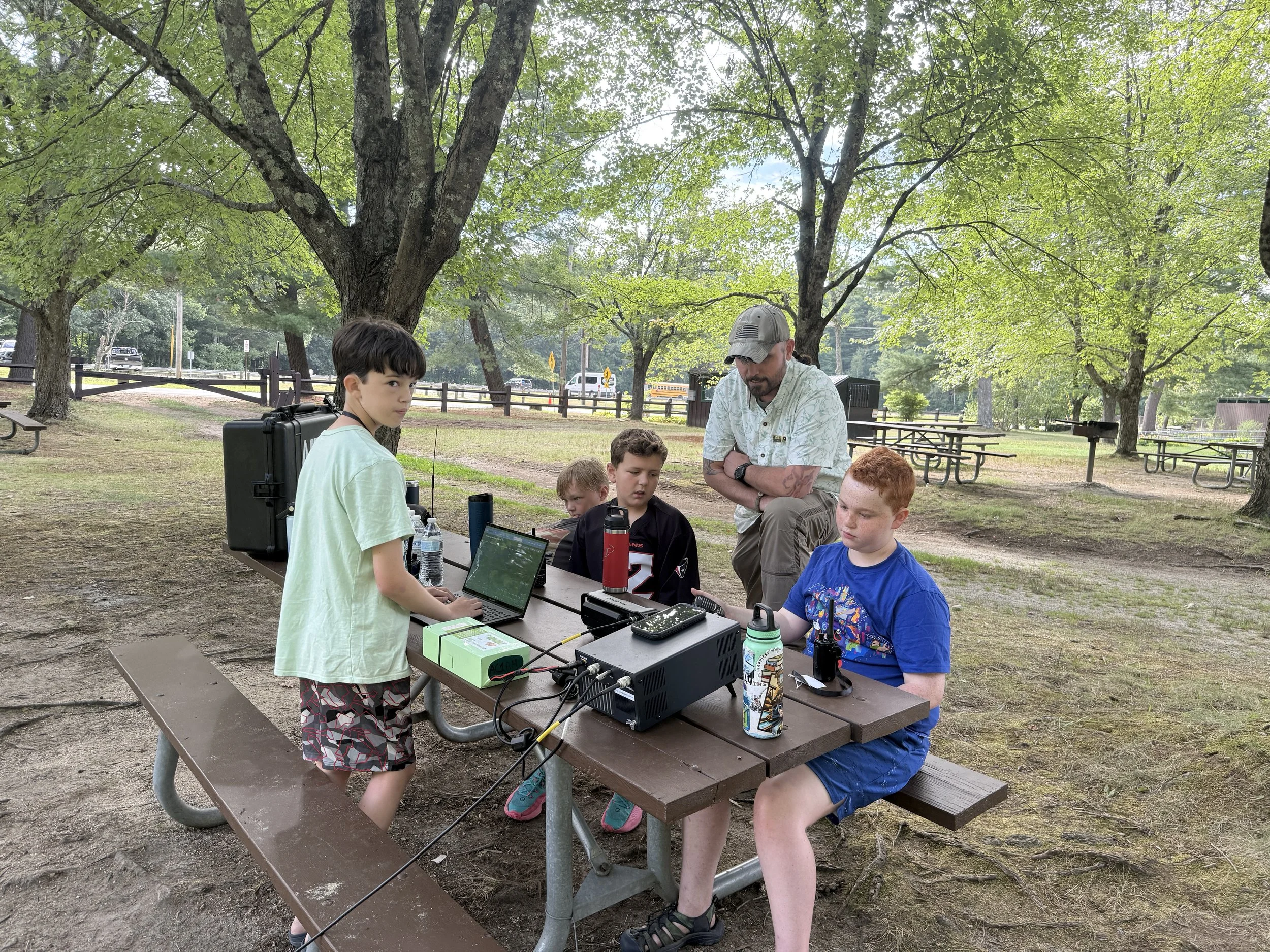
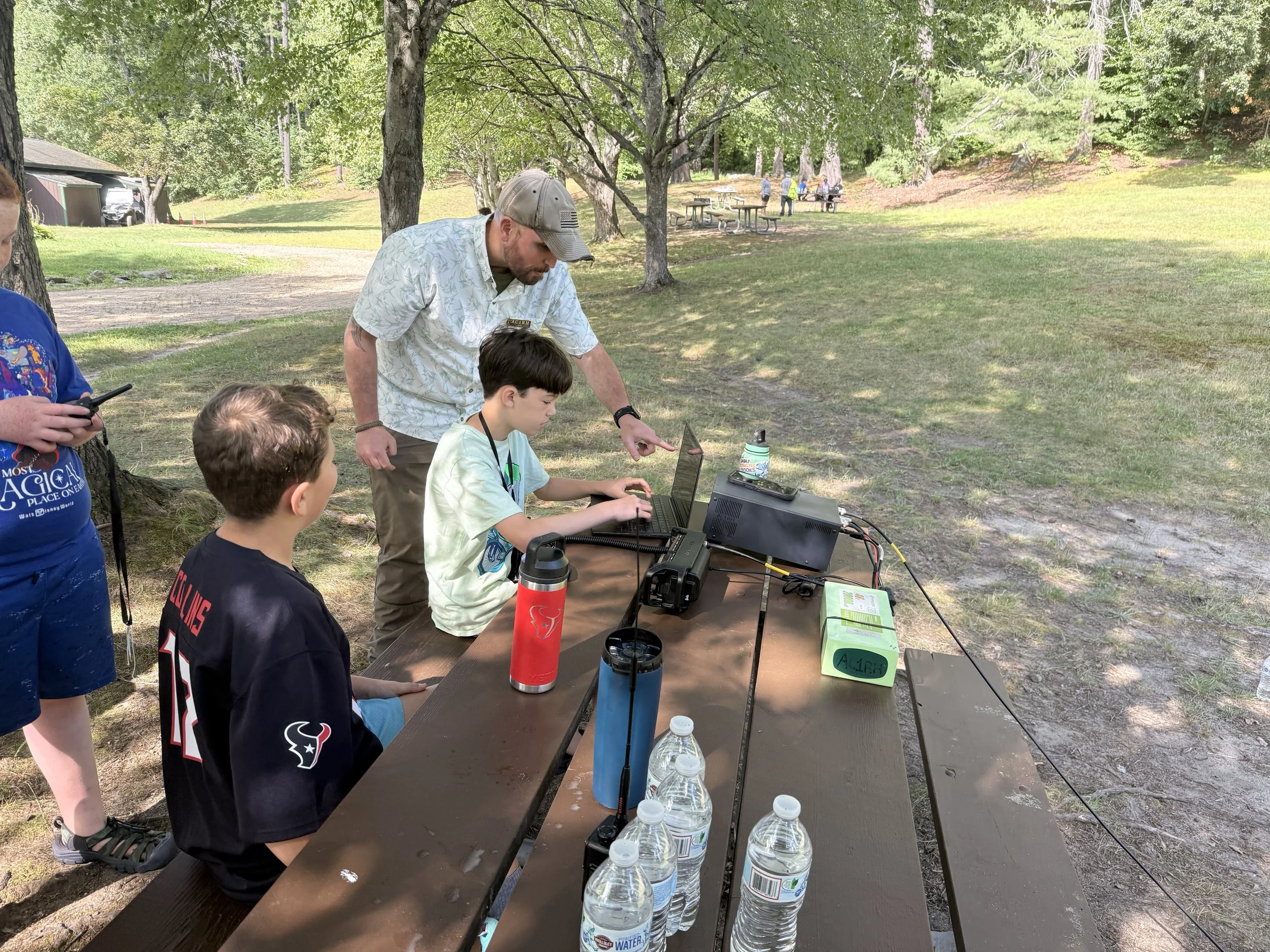
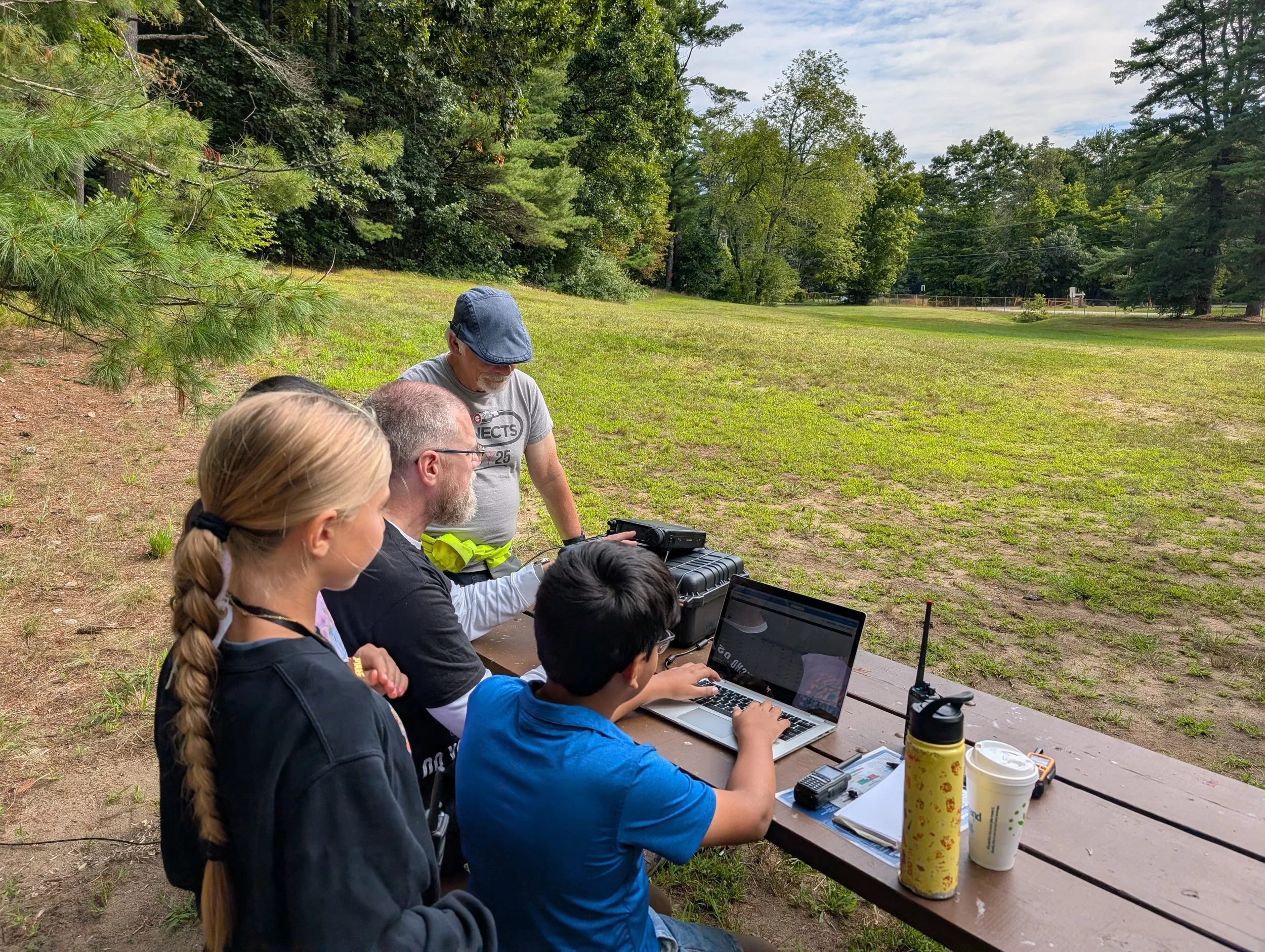
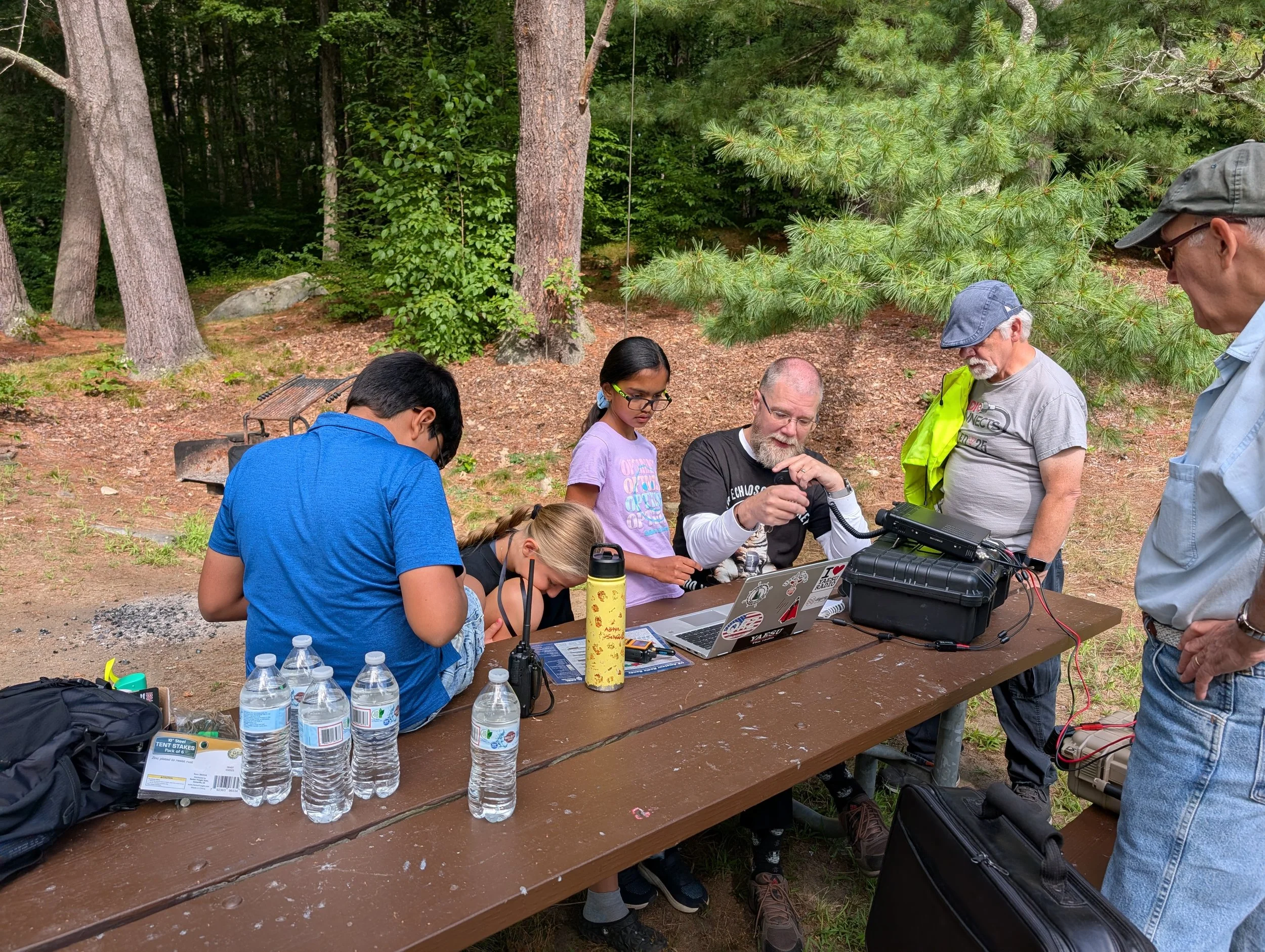
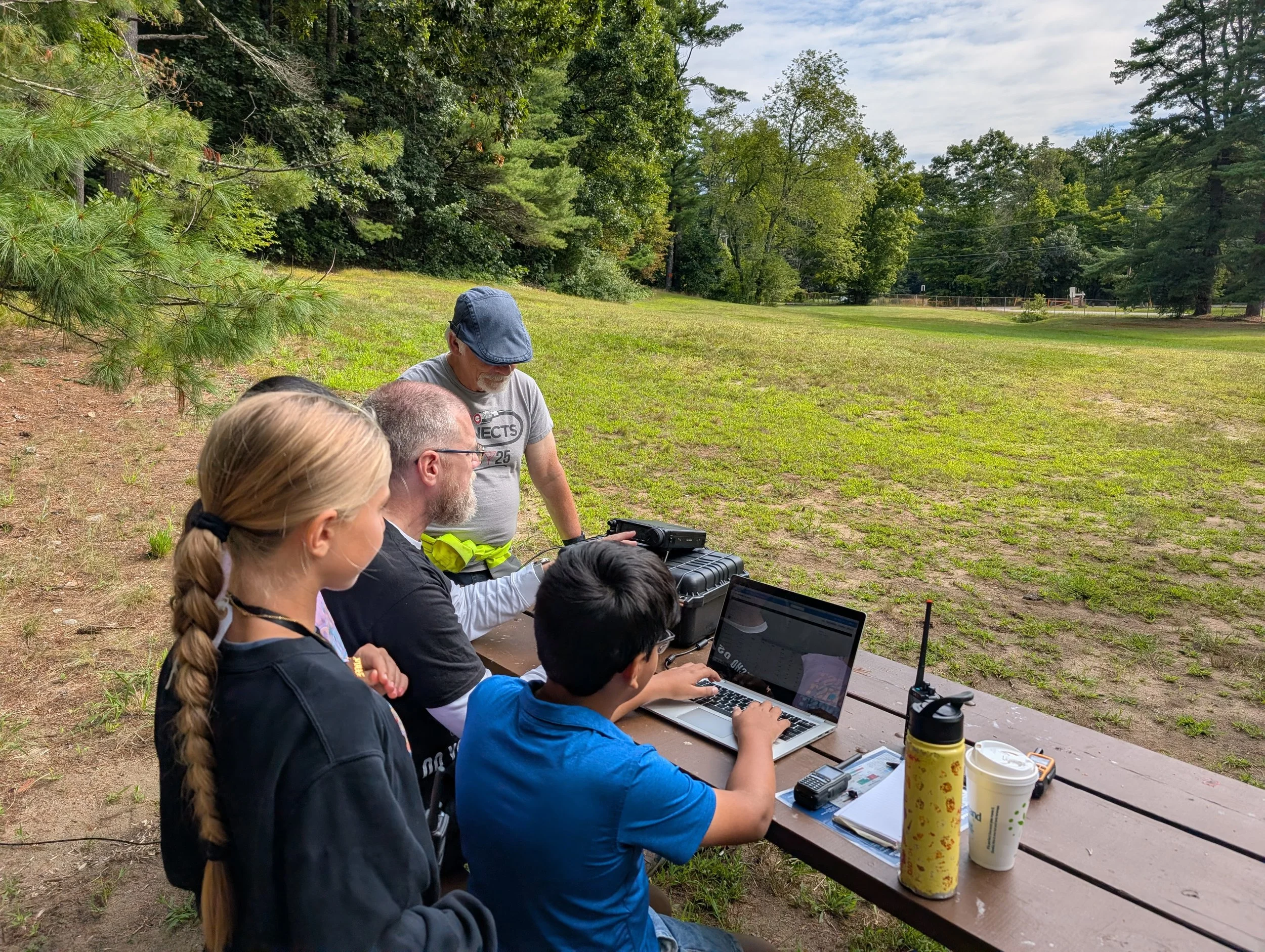
Gene (W3UA) brought his HF radio equipment and antennas to camp and set up a complete HF station for the students. The campers practiced calling “CQ” and experienced the excitement of making contacts with other amateur radio operators right from the camp.
There is something special about hearing another operator answer your call, and the students quickly discovered the thrill of reaching beyond their immediate surroundings using radio.
We also continued our live fox hunts. This time, every student got a chance to become the “fox” by hiding with a radio while the other campers worked together to track down the signal.
Day 3: Building Antennas and Learning New Skills
Day three brought out the builders, problem-solvers, and budding electronics technicians!
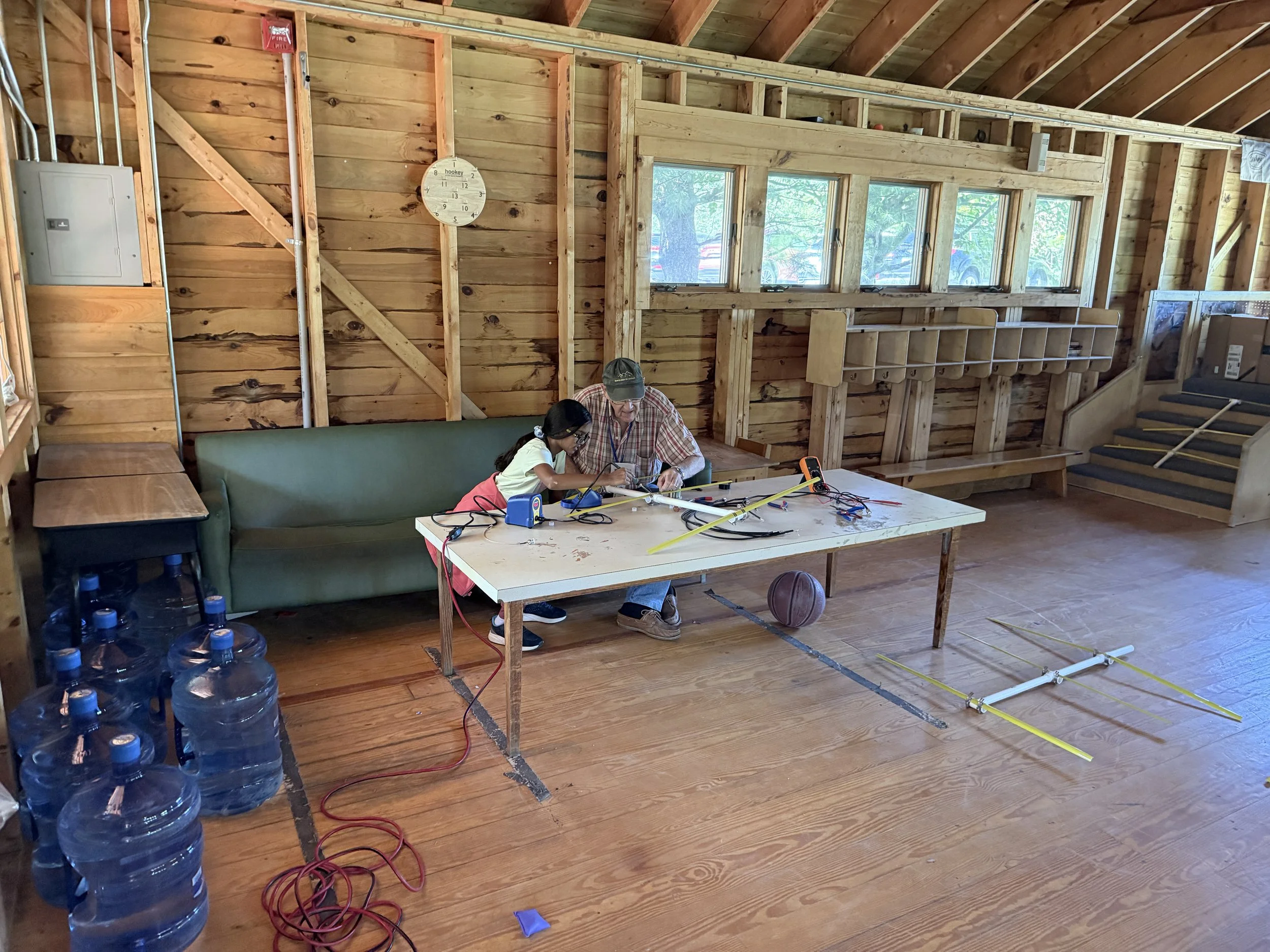
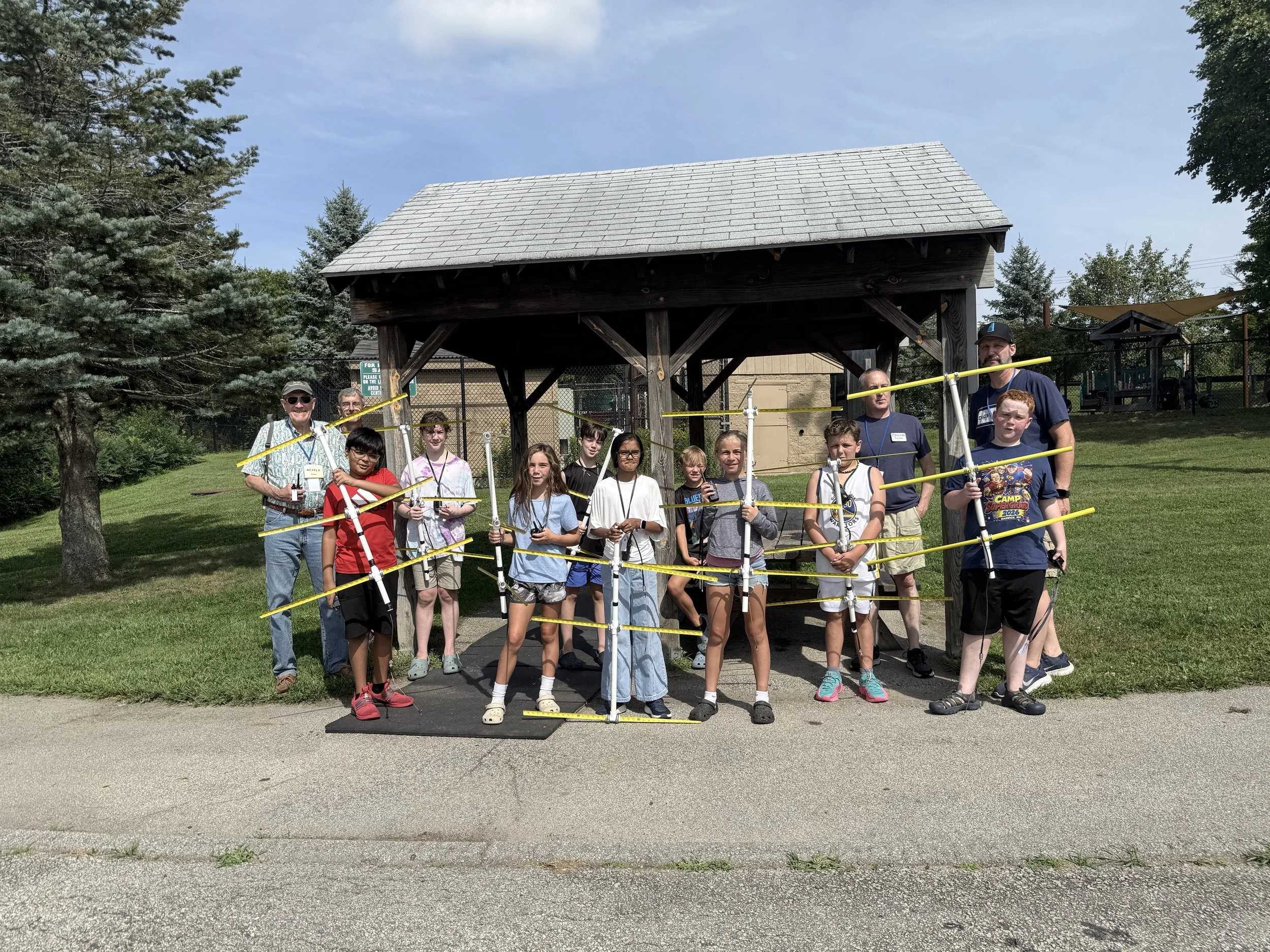
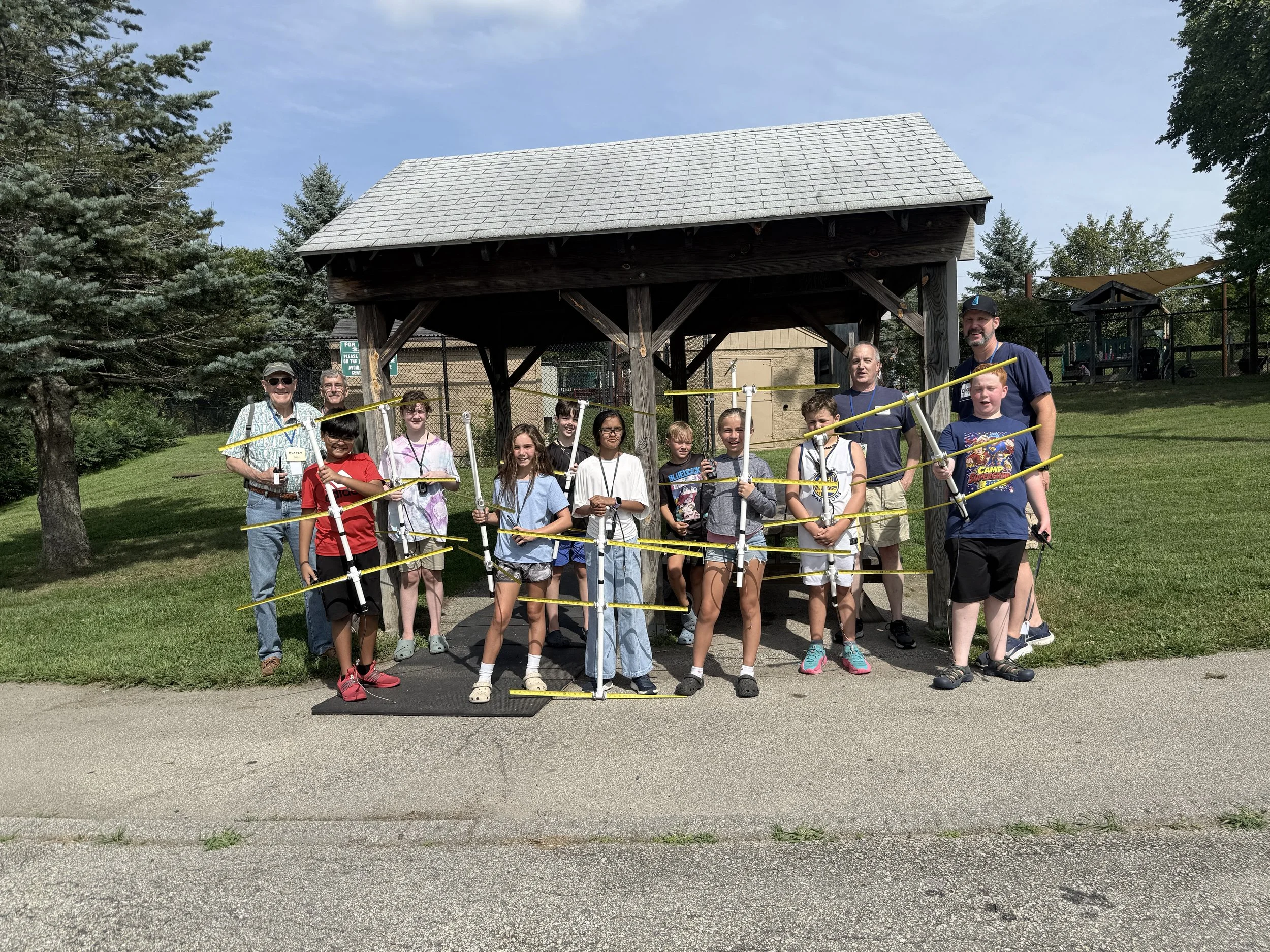
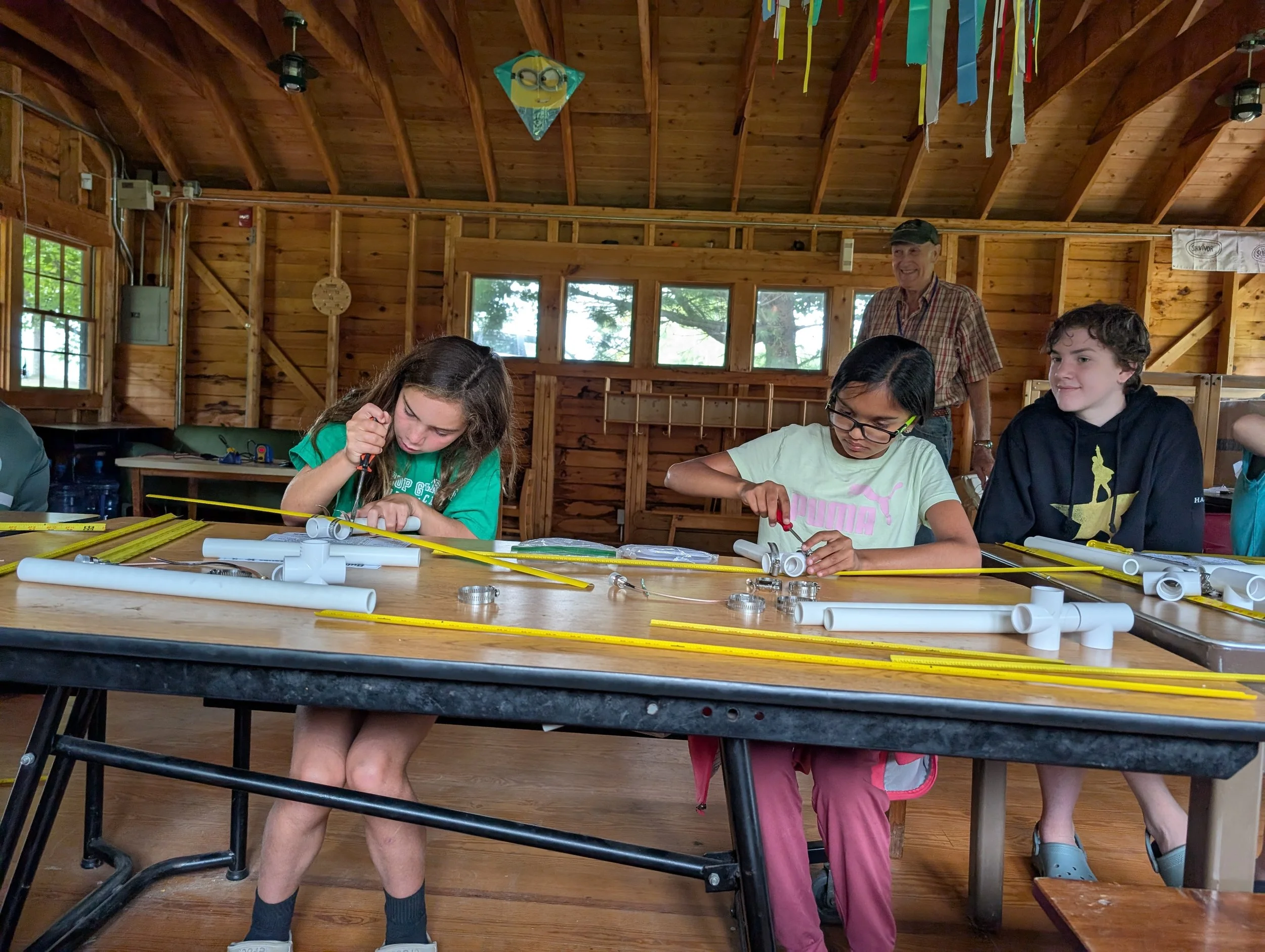
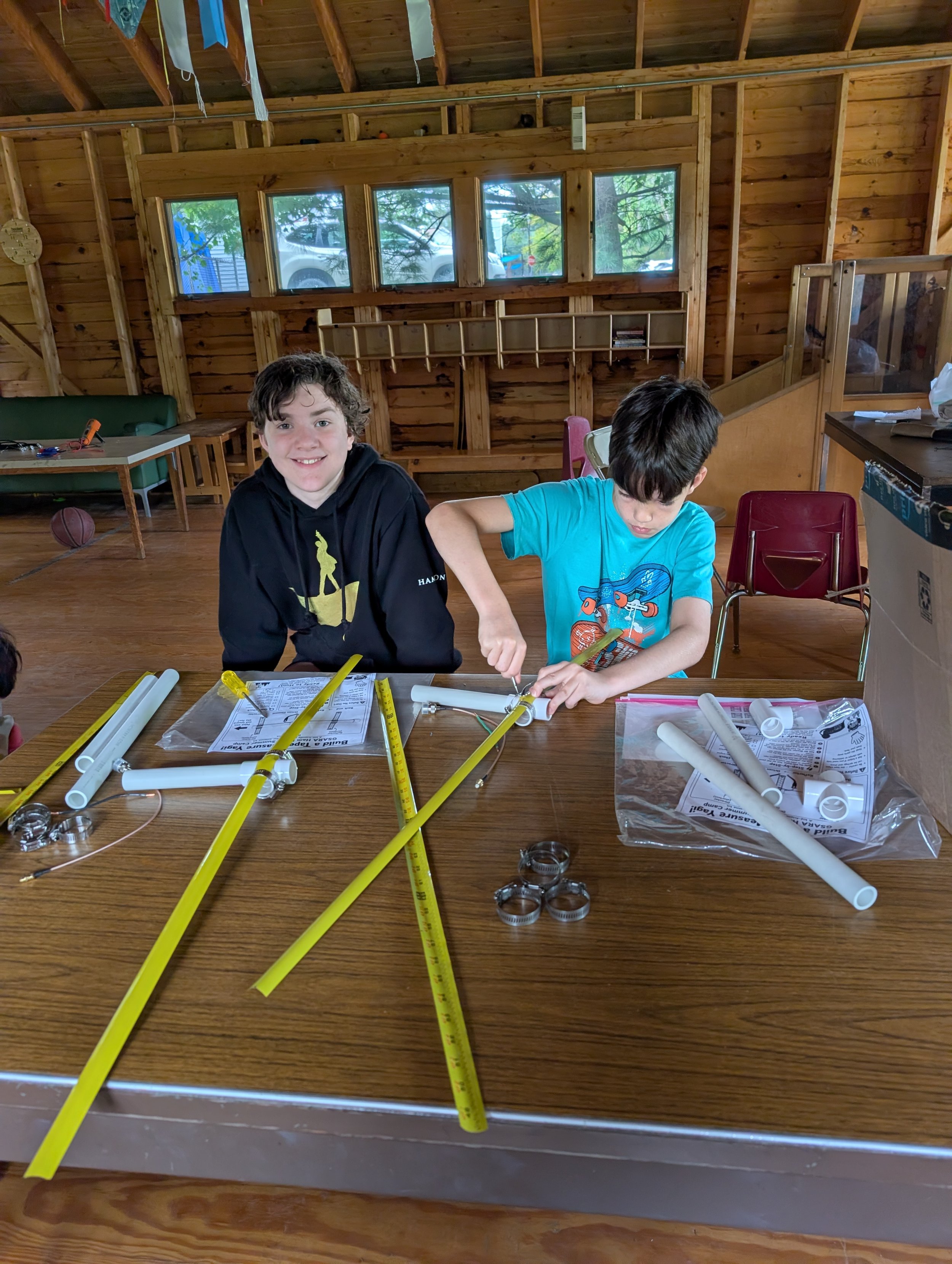
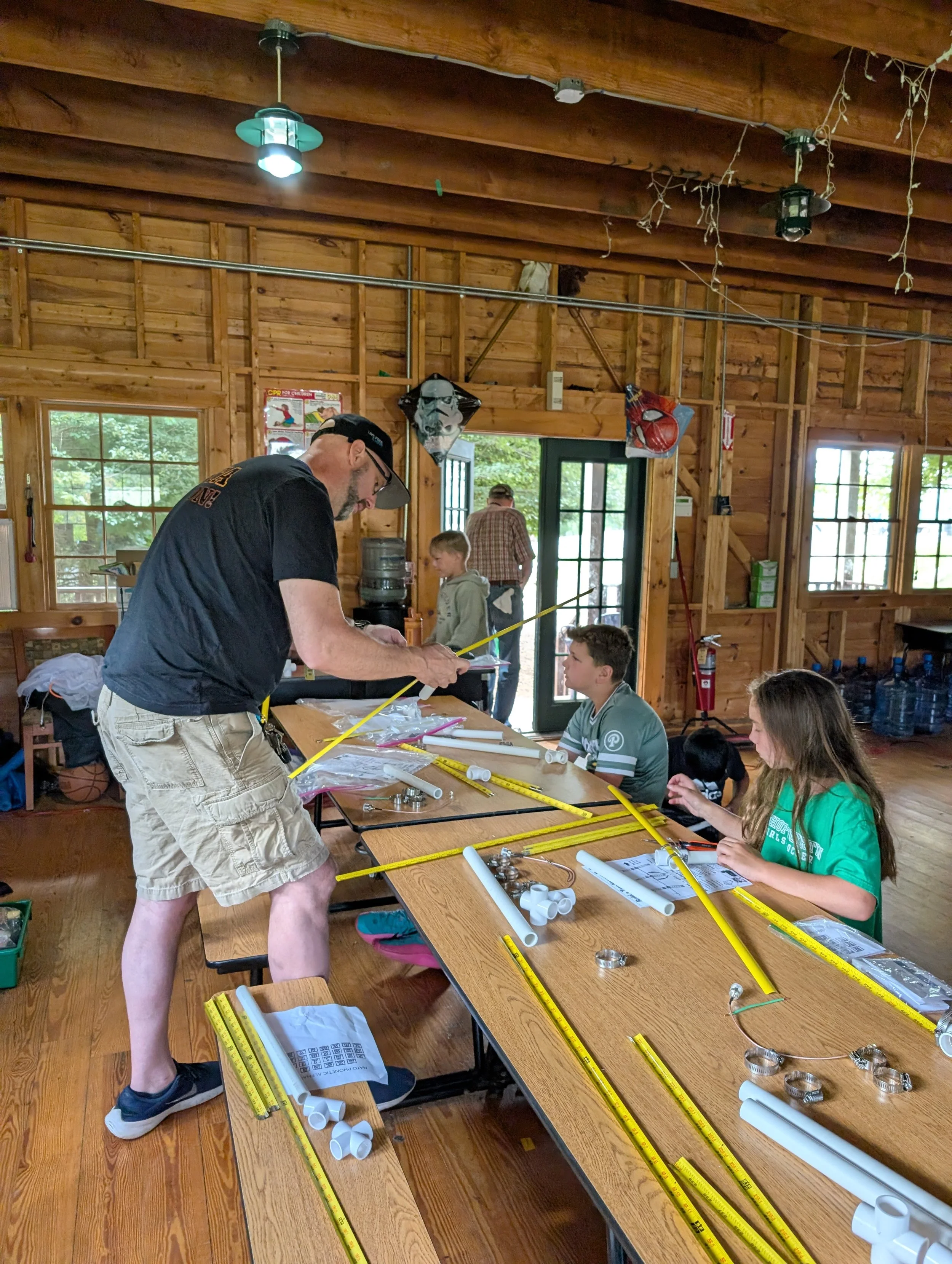
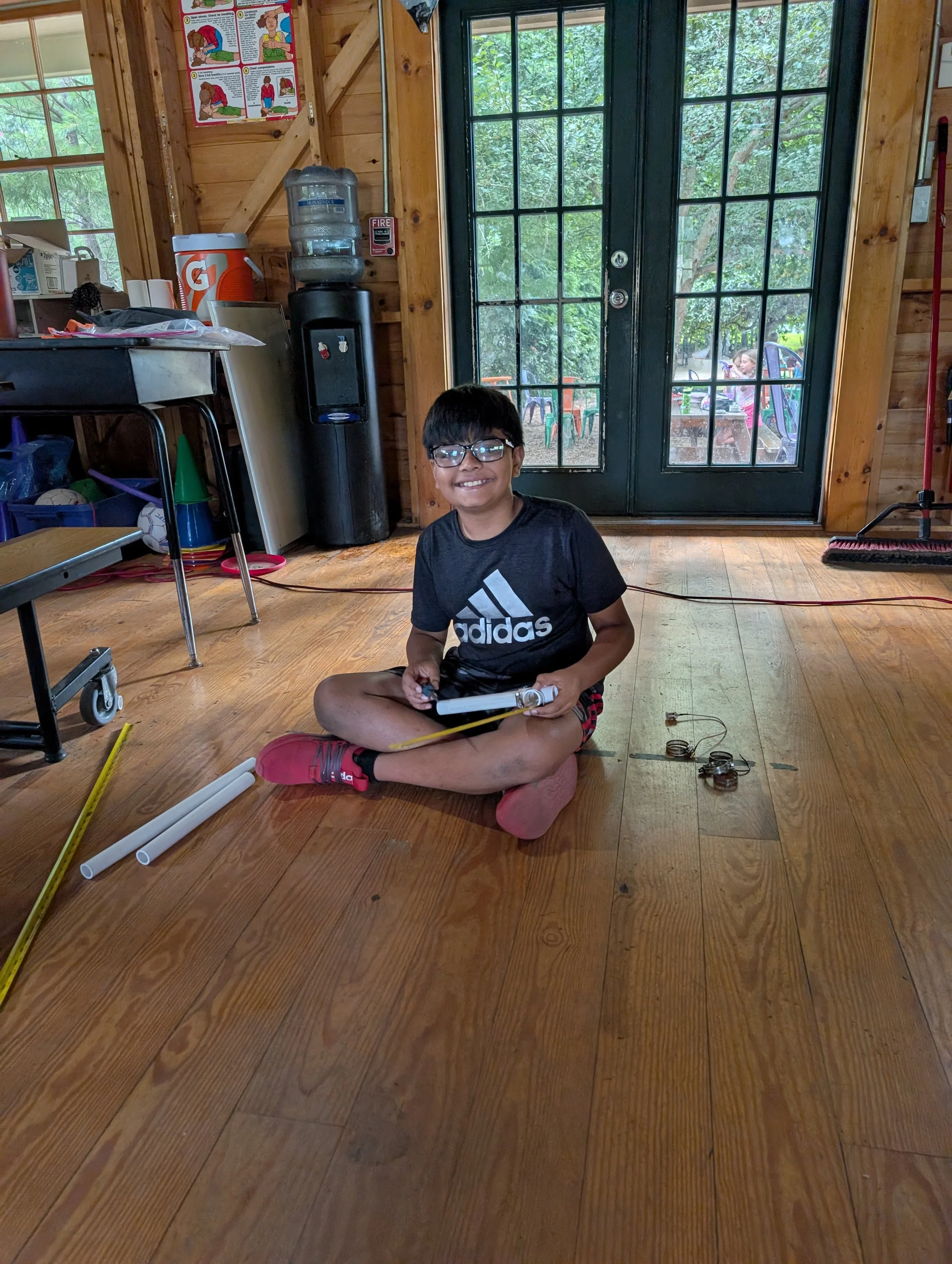
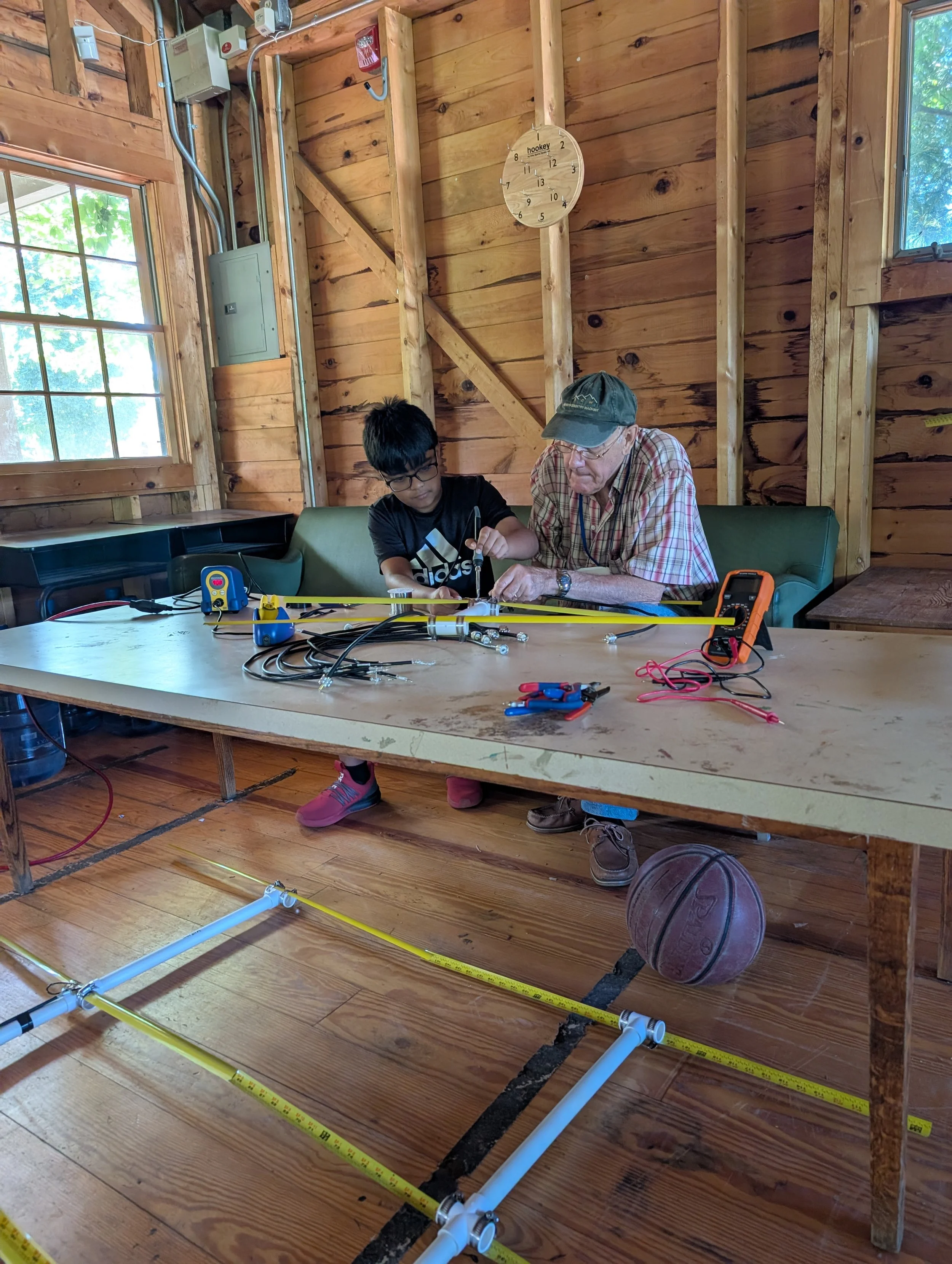
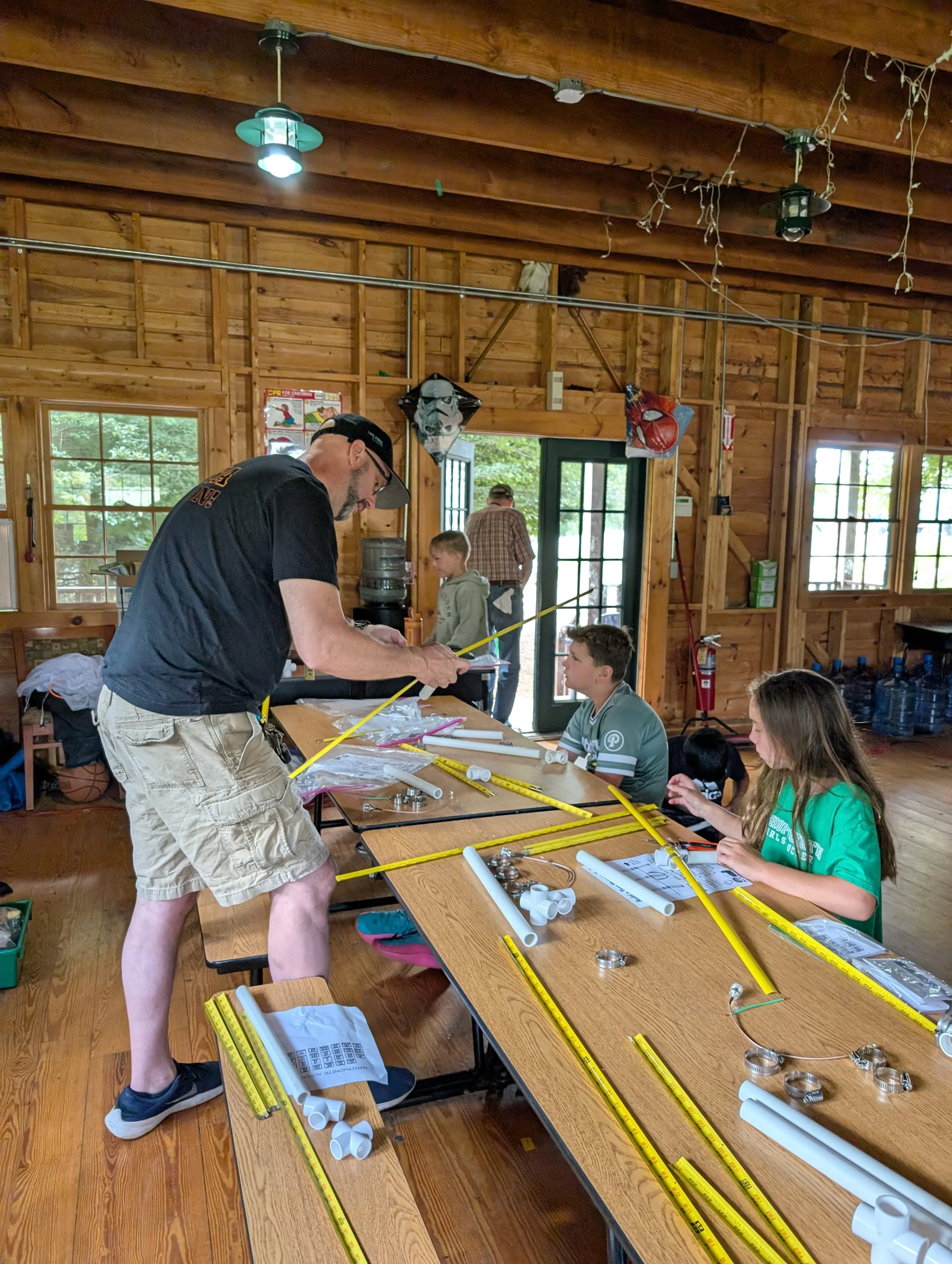
Each camper built a tape measure Yagi antenna while learning how to solder, assemble components, and understand how a directional antenna works. Every participant successfully completed an antenna and had it ready for the next day’s fox hunt.
The students also teamed up for phonetics games. They deciphered sentences by translating phonetic words into letters and then piecing together the complete message. We added UTC—also known as Zulu time—to the challenge and asked the campers to convert it to local time.
It was a great combination of hands-on building, learning, and friendly competition.
Day 4: Taking Fox Hunting to the Next Level
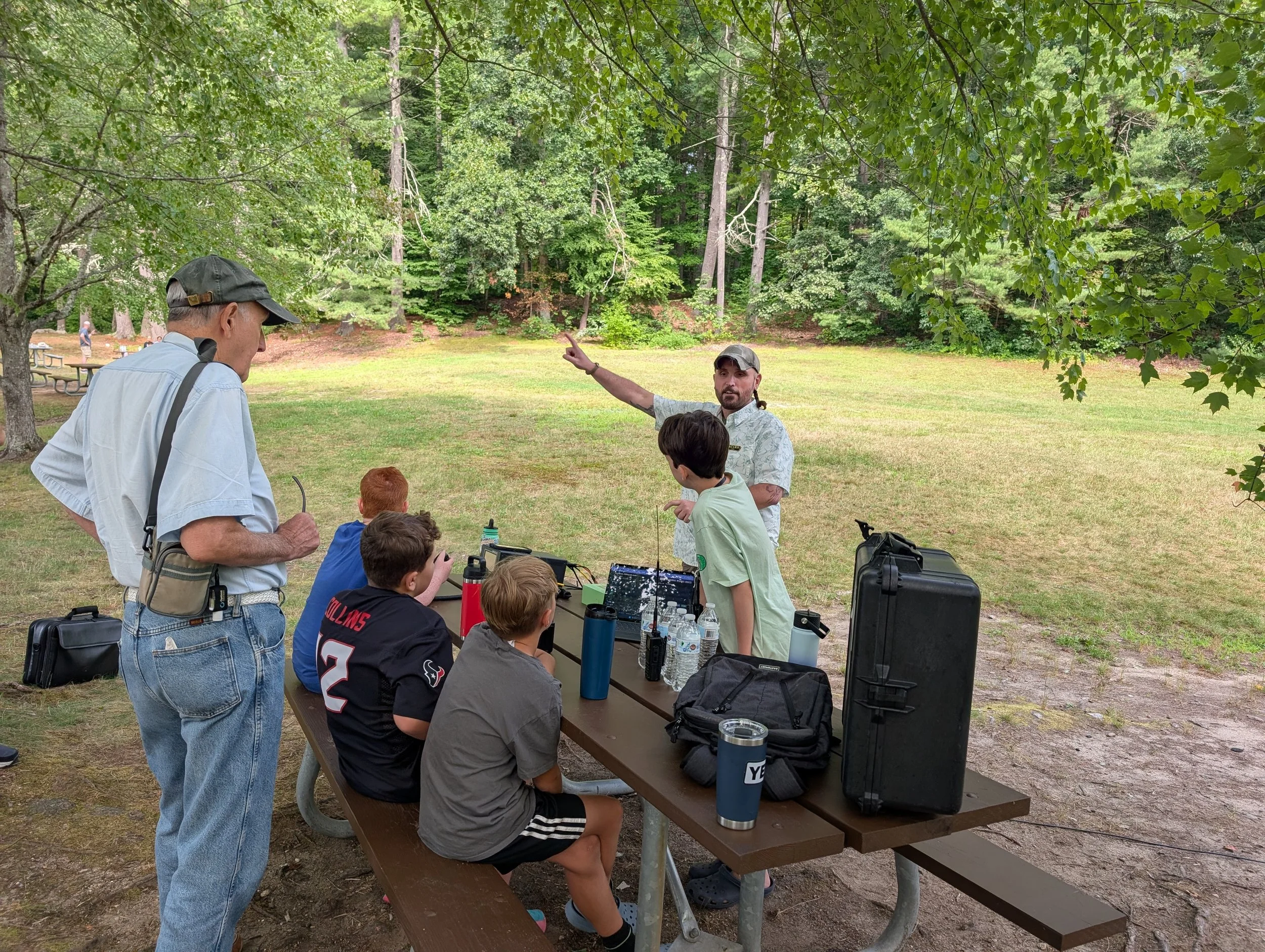
Mike (KC1NGS) joined us on day four to teach the campers more about radio direction finding. He showed them what a fox transmitter looks like and explained how operators track one using its repeating beacon. Paul (KC1KMM) was also on hand to help the students and support the day’s activities.
After Mike hid the transmitter, the campers headed out to the field in teams of three. Using the tape measure Yagi antennas they had built the previous day, they listened for the beacon, compared signal directions, and gradually narrowed down the fox’s location.
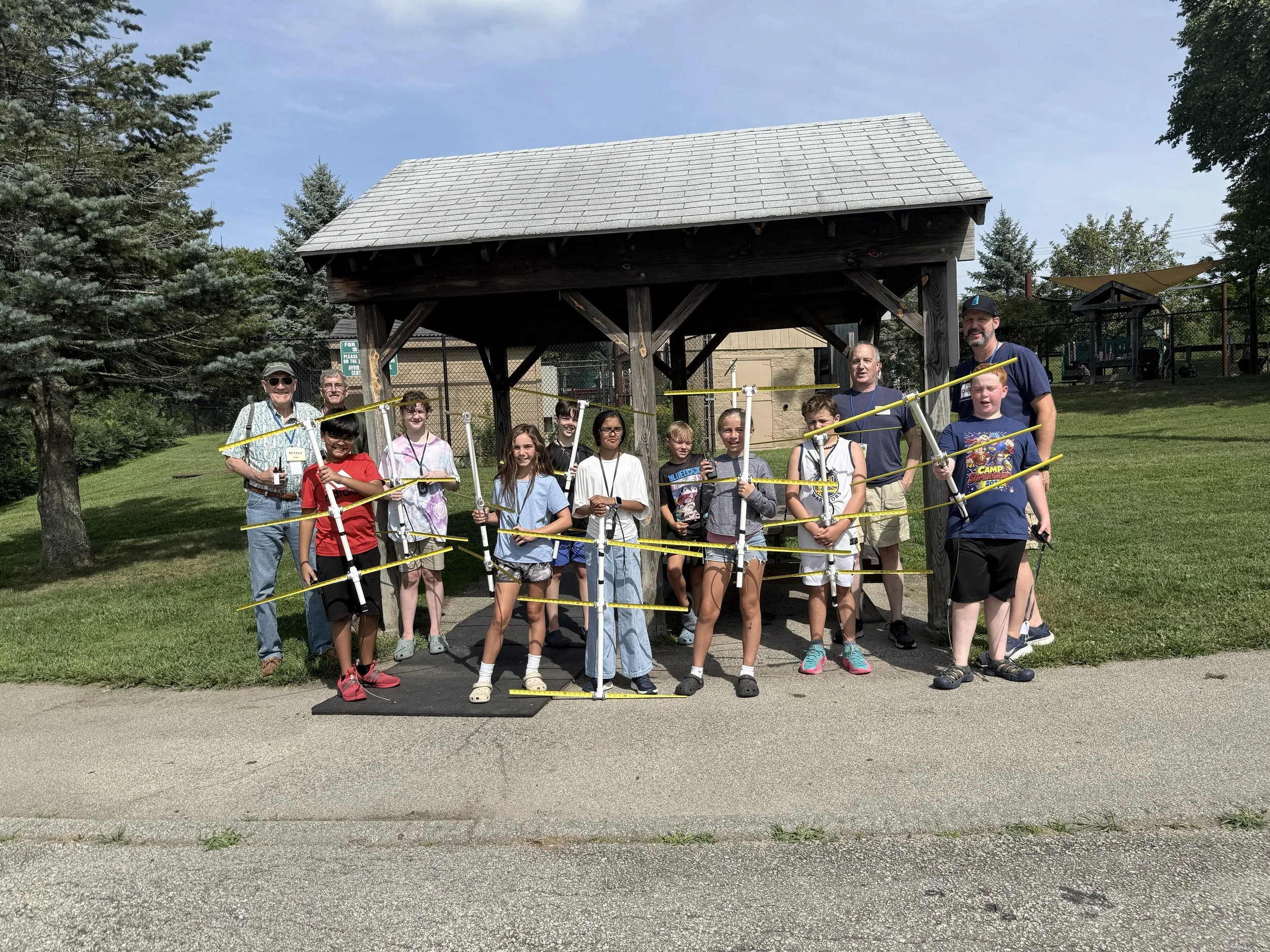
As they got closer, they even learned how to use their bodies to block the signal and help pinpoint the hidden transmitter.
We finished the day with a multi-fox hunt in which three students hid as foxes while the others raced to locate each one. It was a fantastic way to combine radio skills, teamwork, movement, and a little friendly competition.
Day 5: Calling CQ POTA!
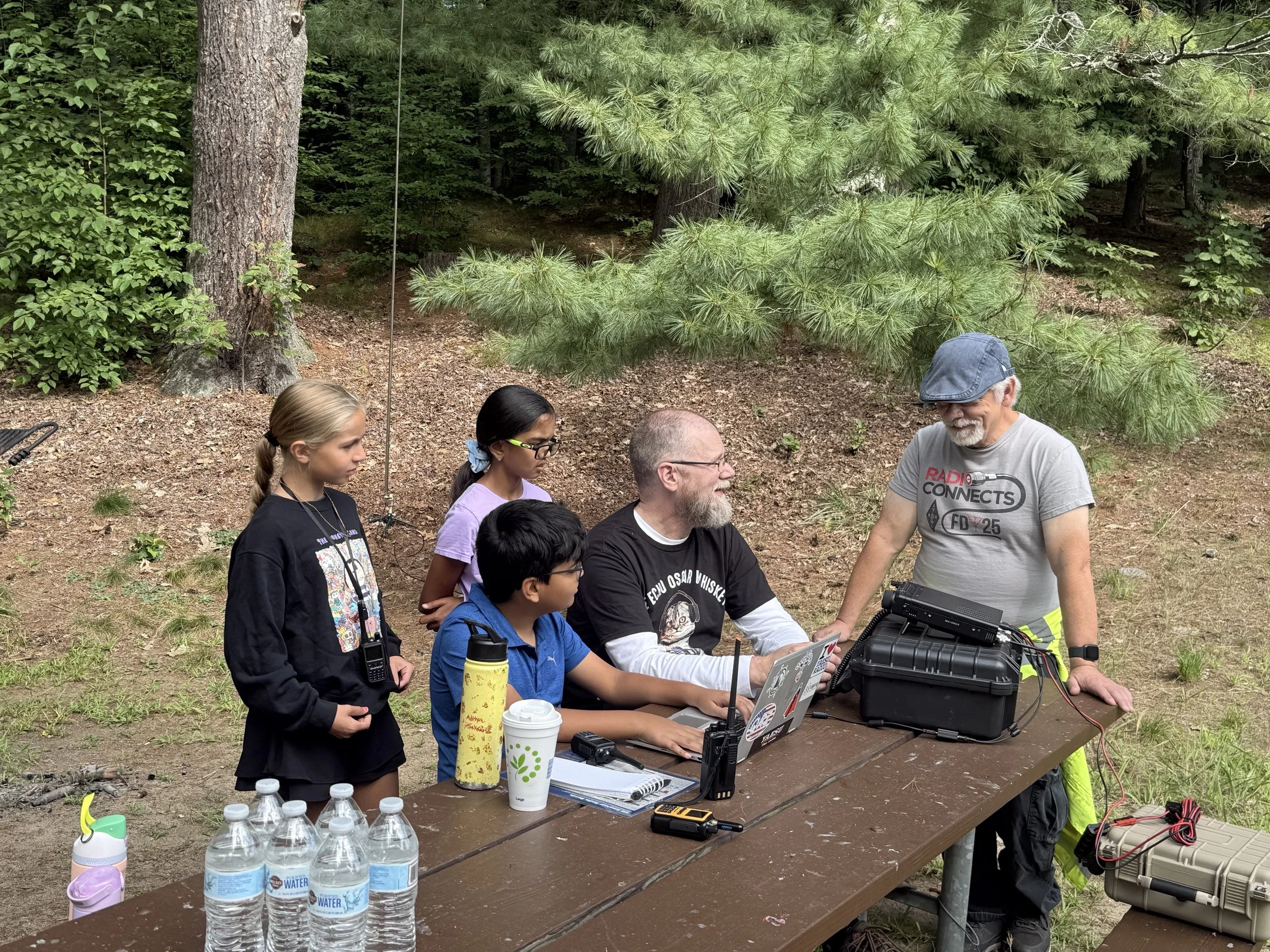
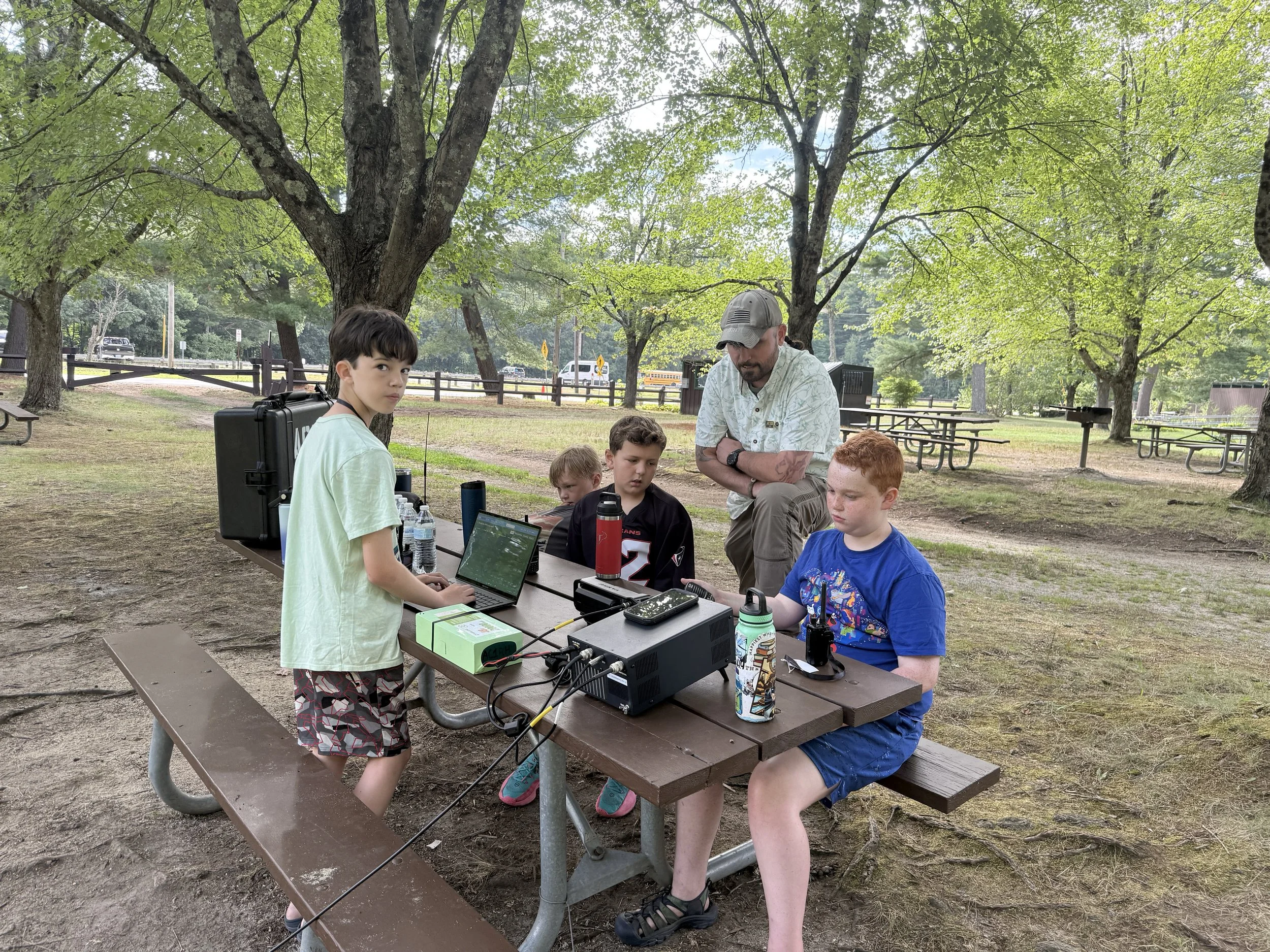
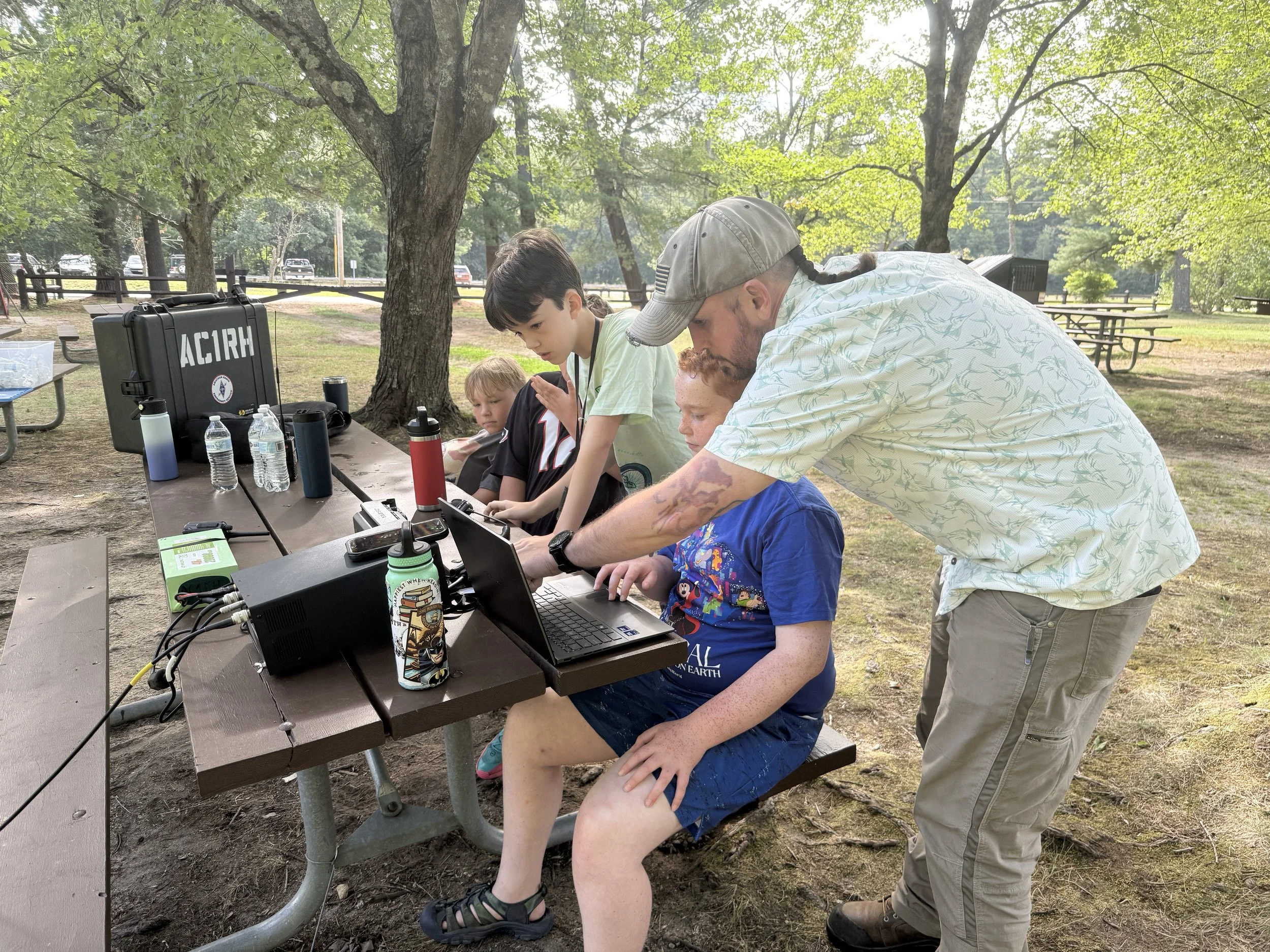
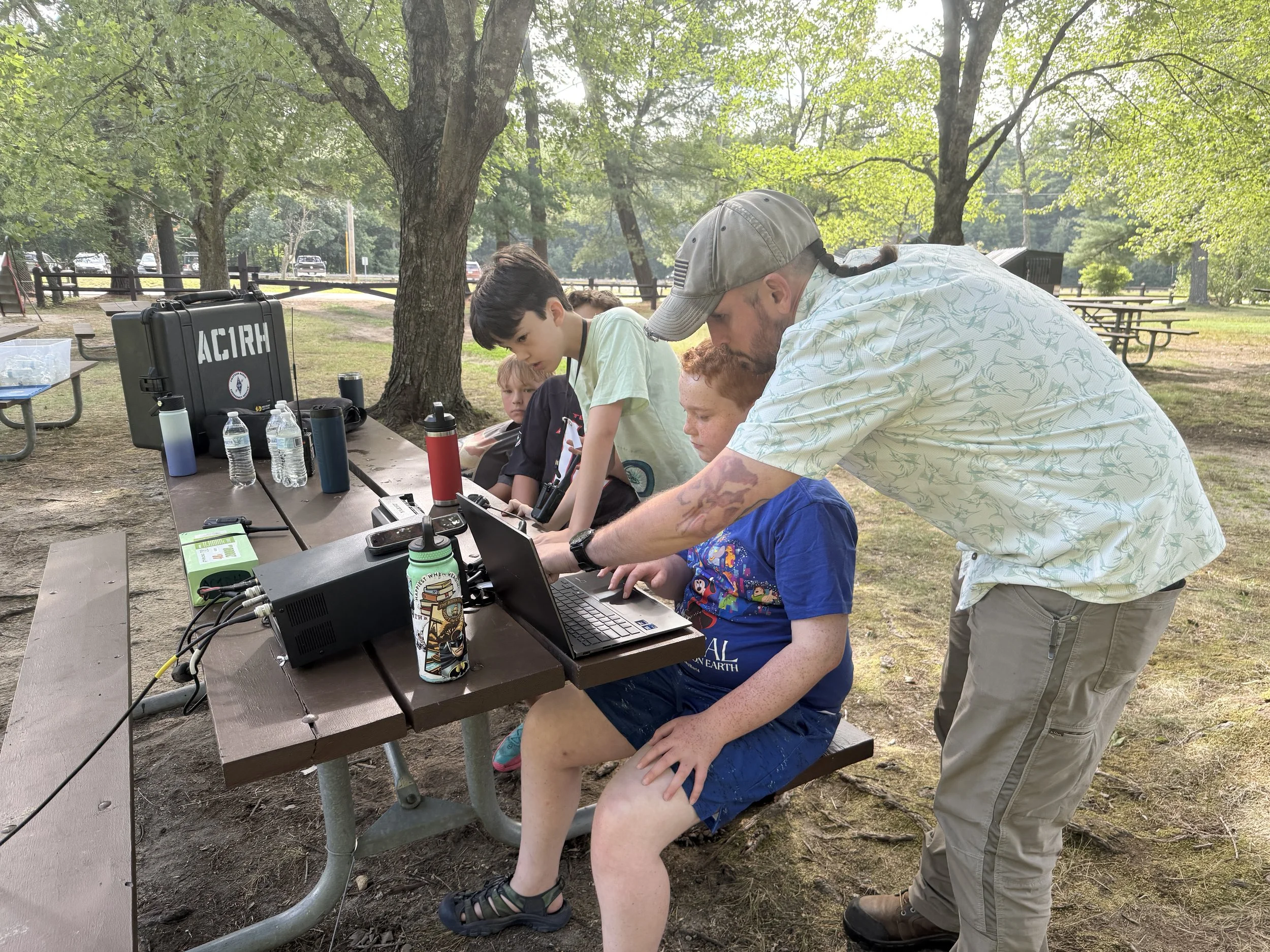
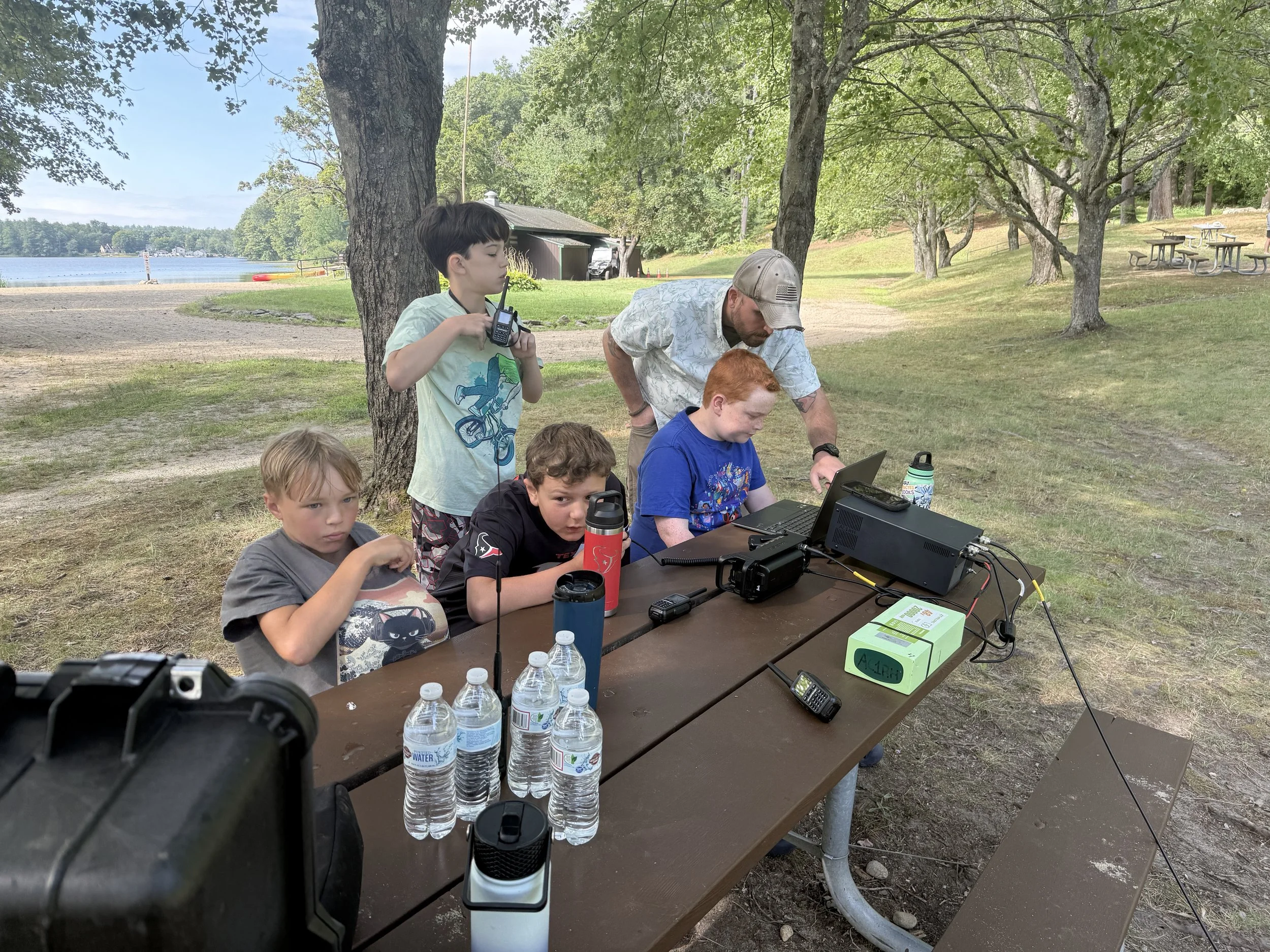
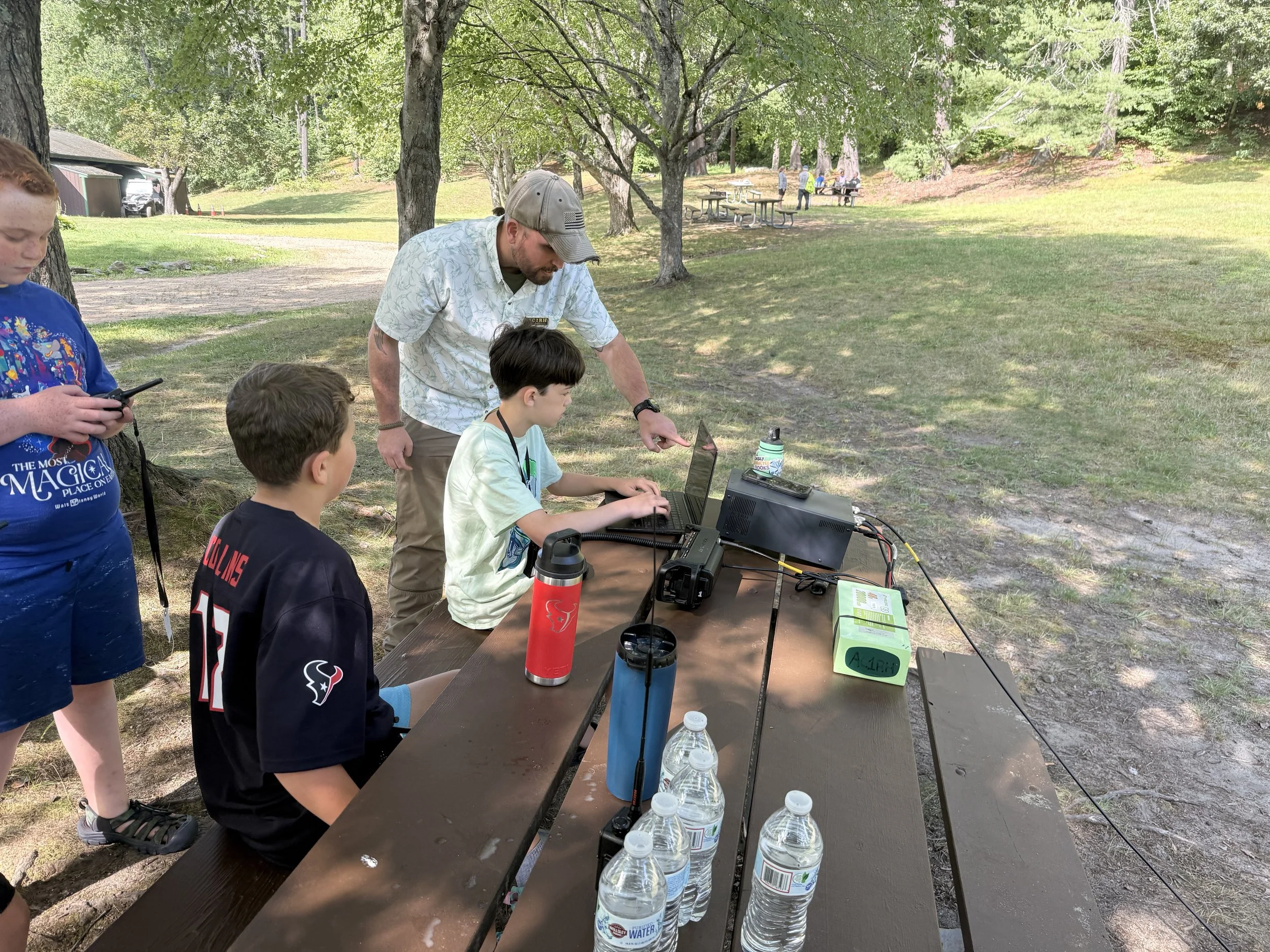
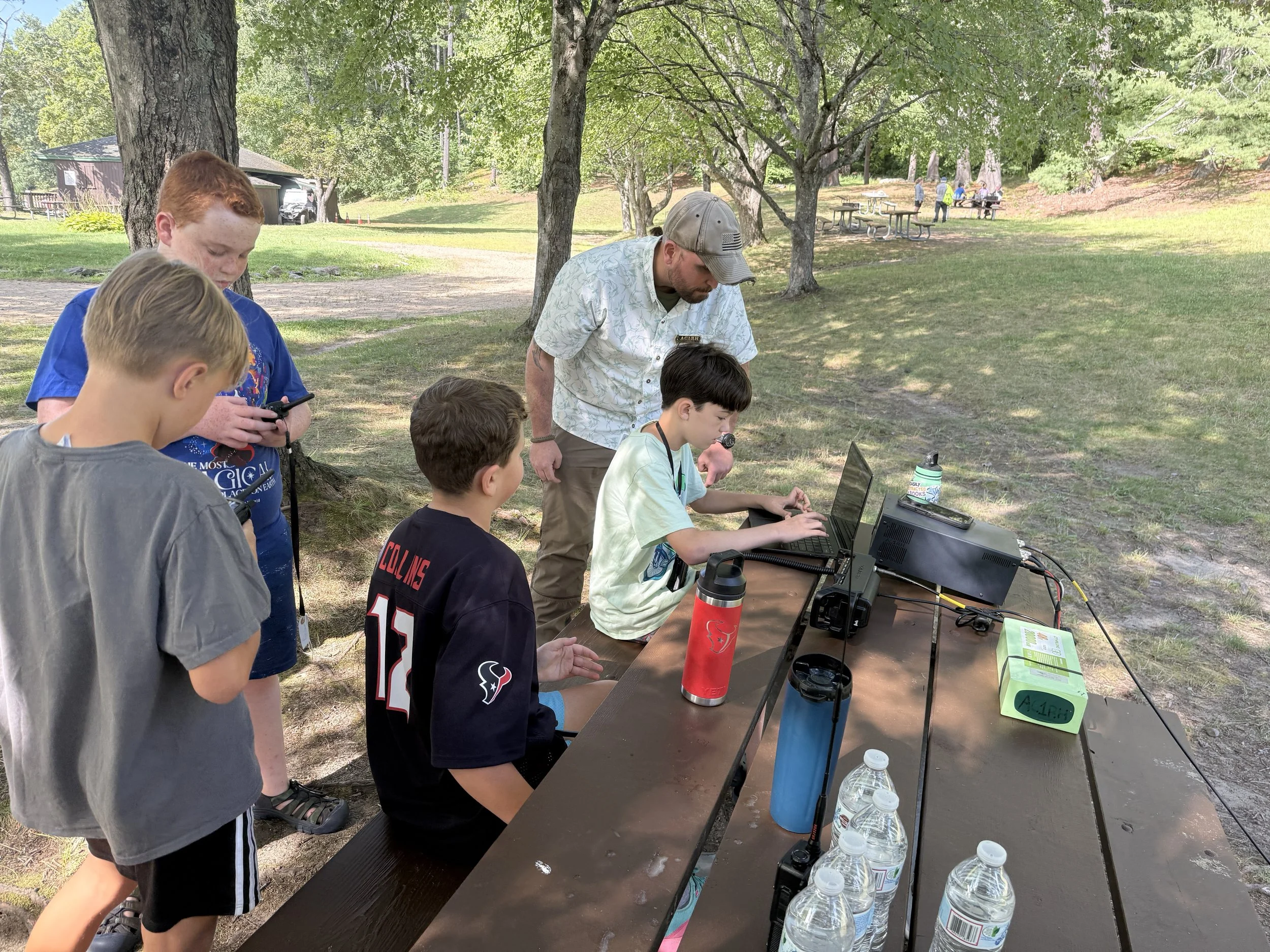
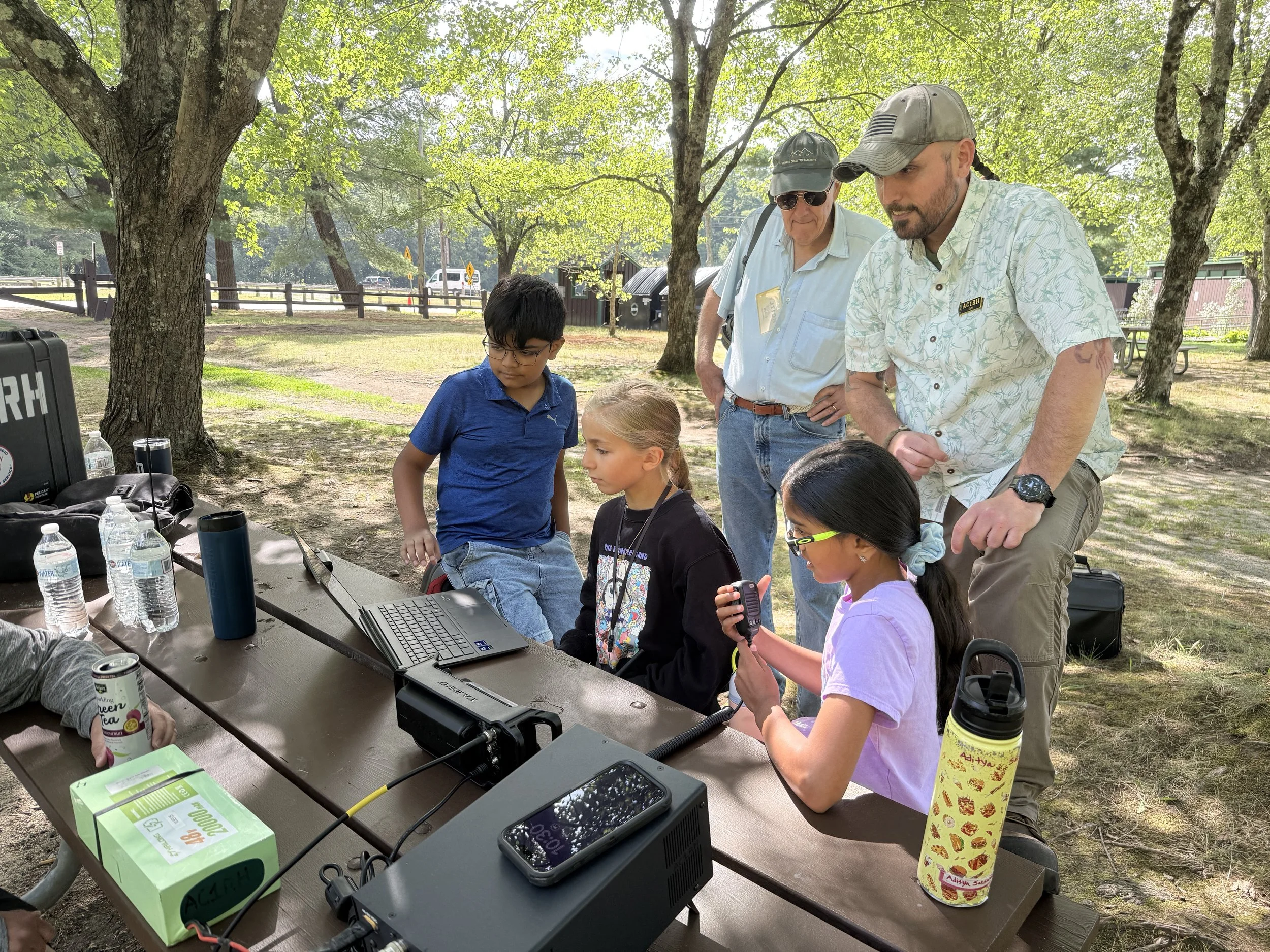
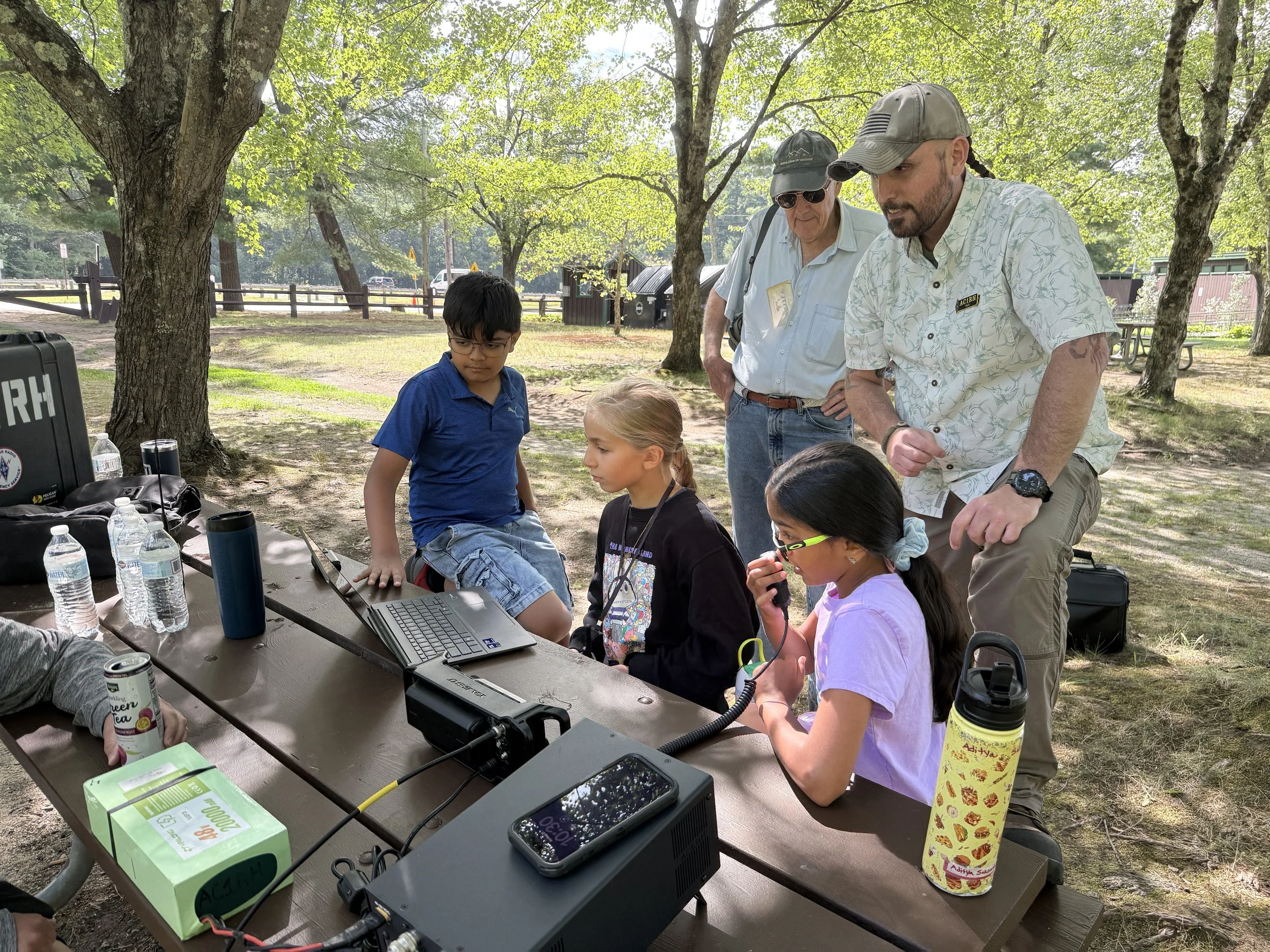
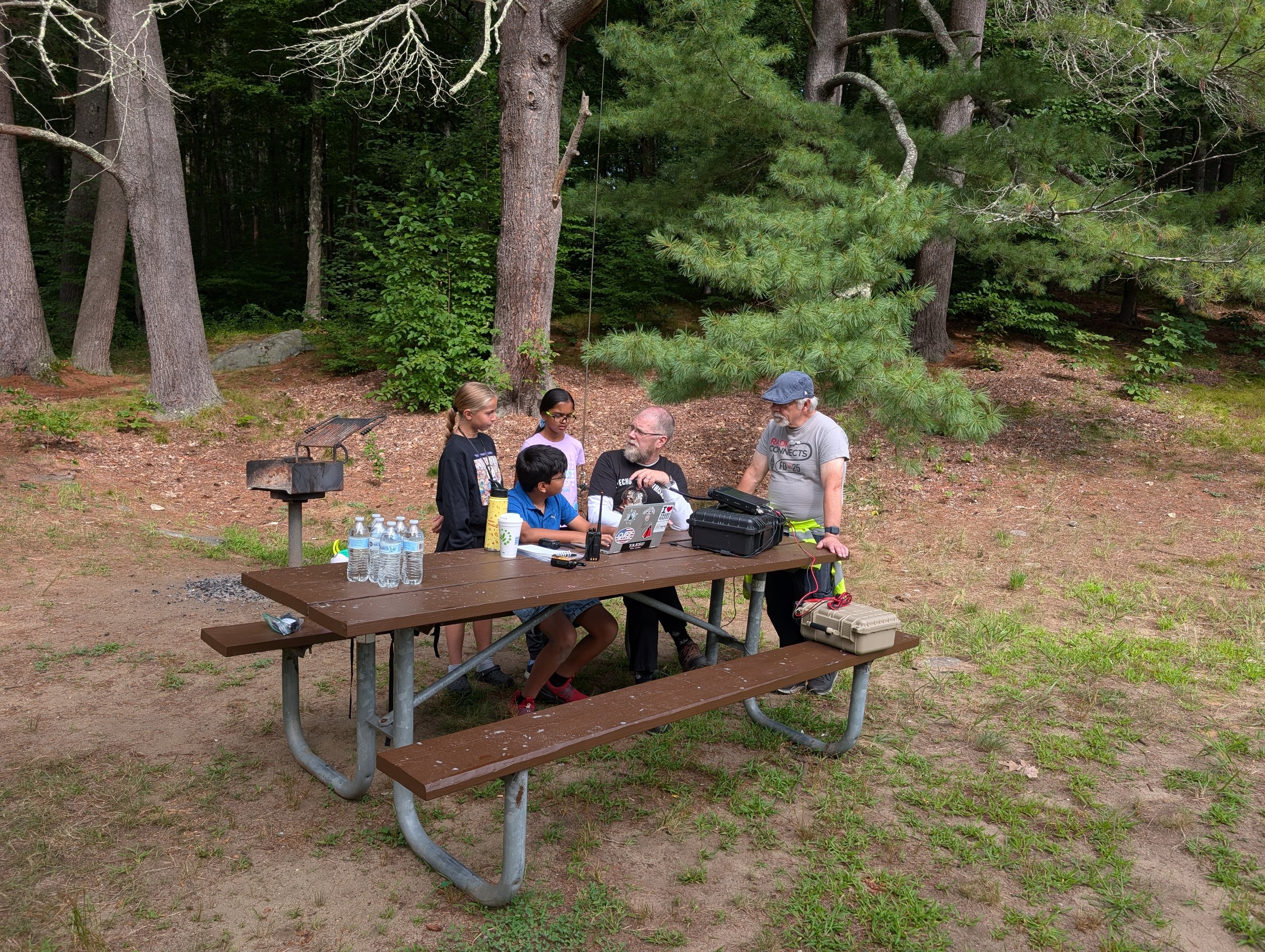
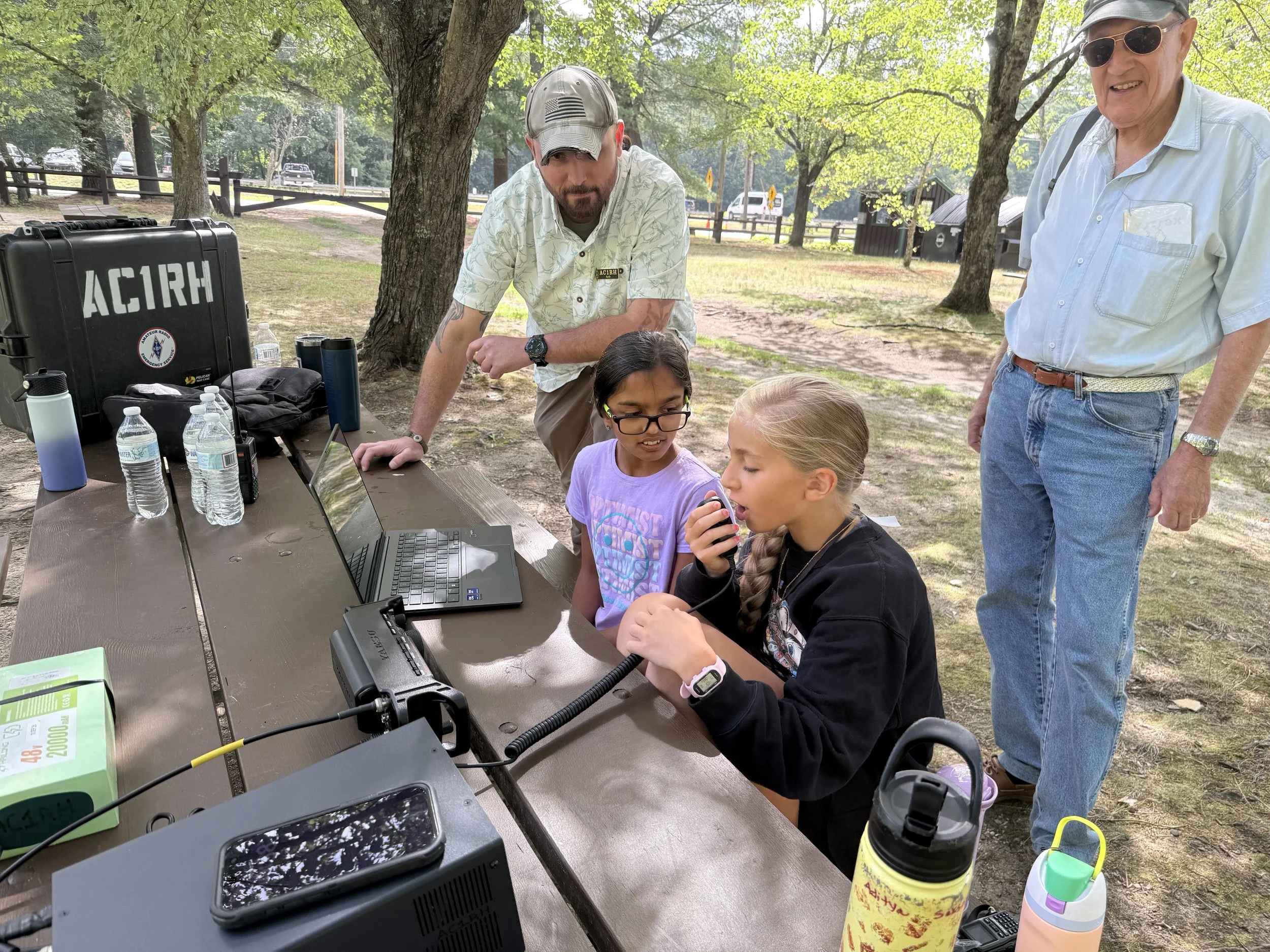
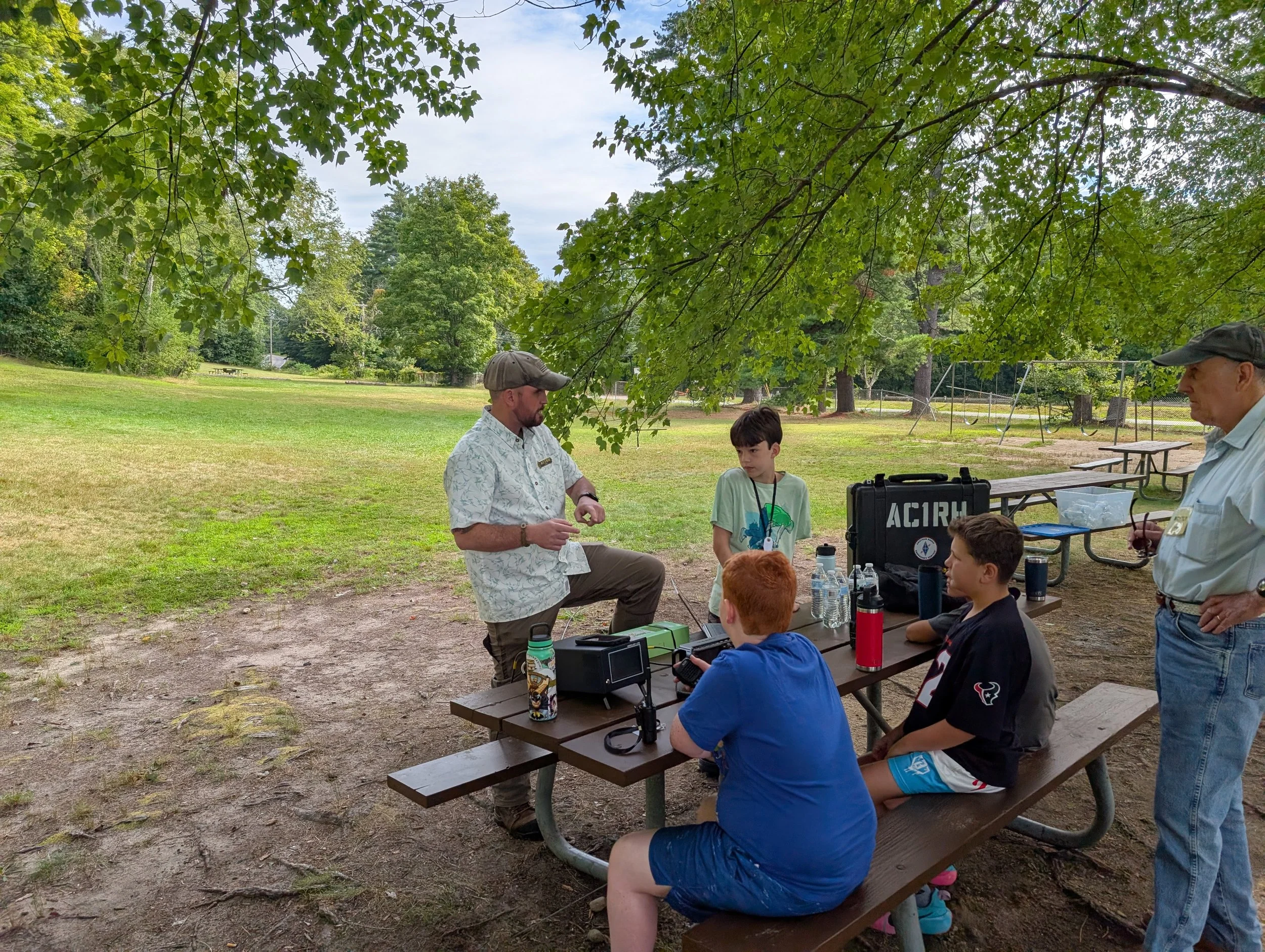
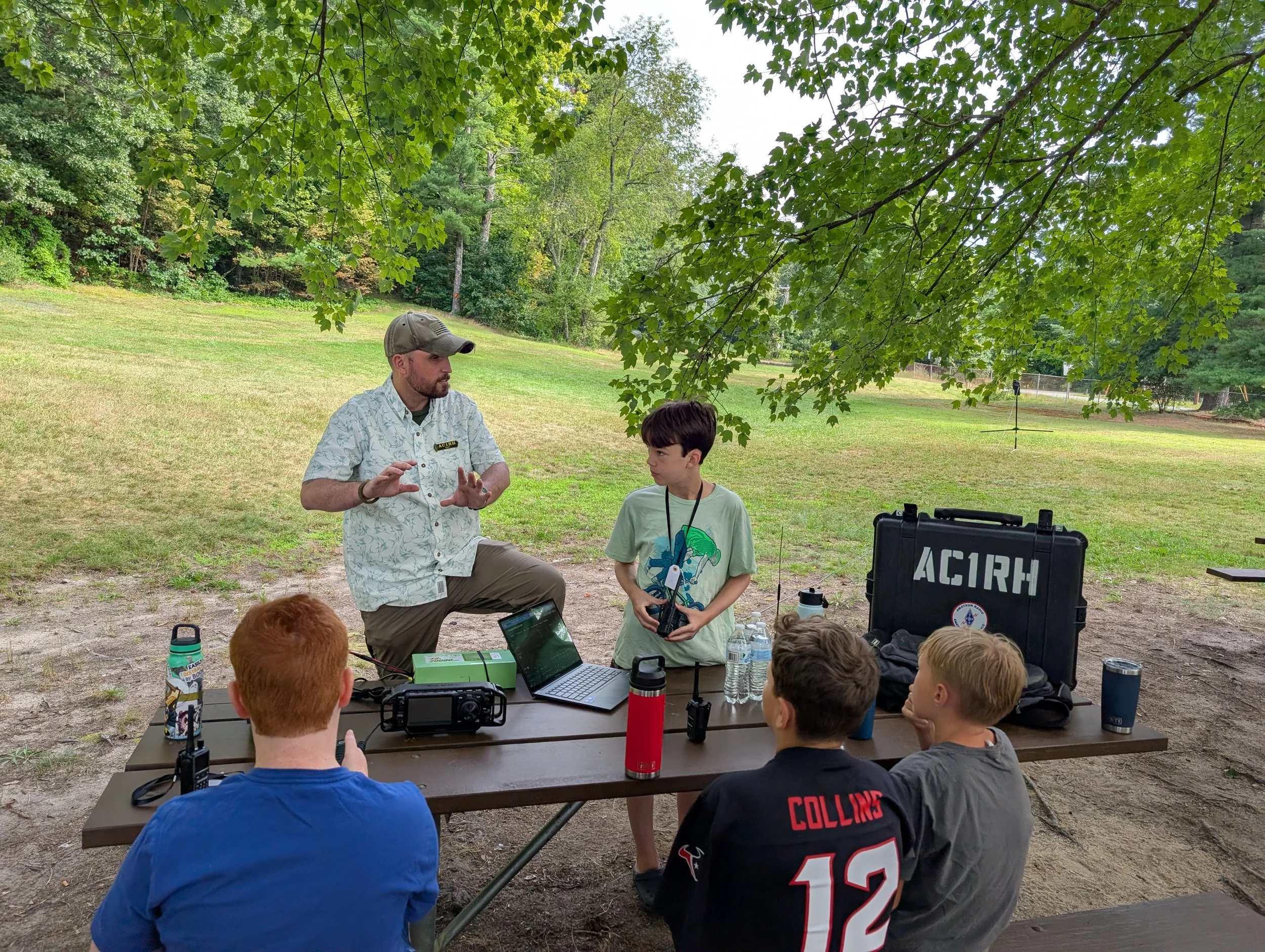
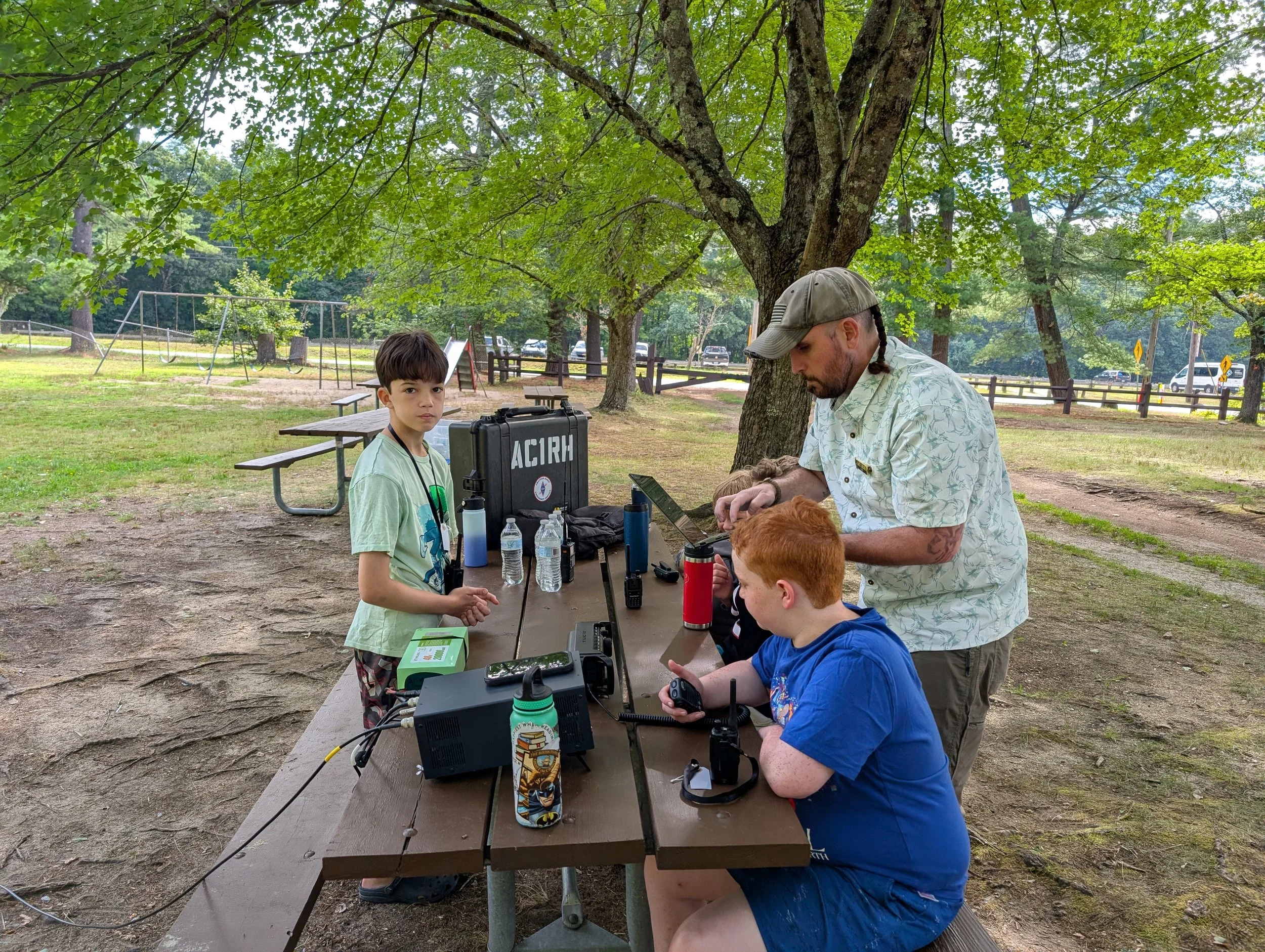
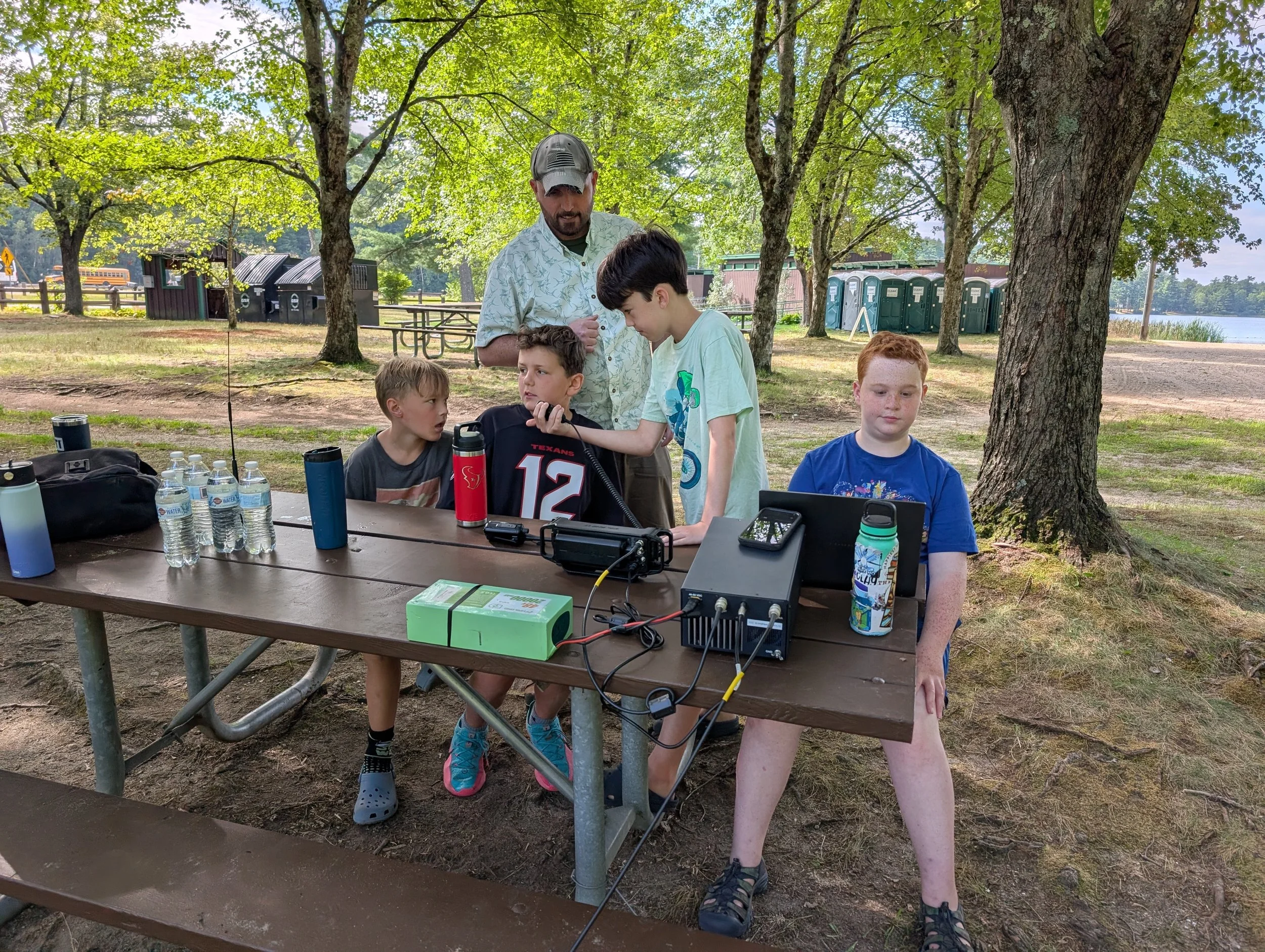
For the final day, the camp traveled to Silver Lake State Park(US-2678), where GSARA members Christian (N1COW) and Keith (AC1RH) had set up Parks on the Air stations. Paul (KC1KMM) and Steve (NA1T) were also on hand to support the team and help make the final day a success.
The students arrived ready to get on the microphone and call “CQ POTA!”
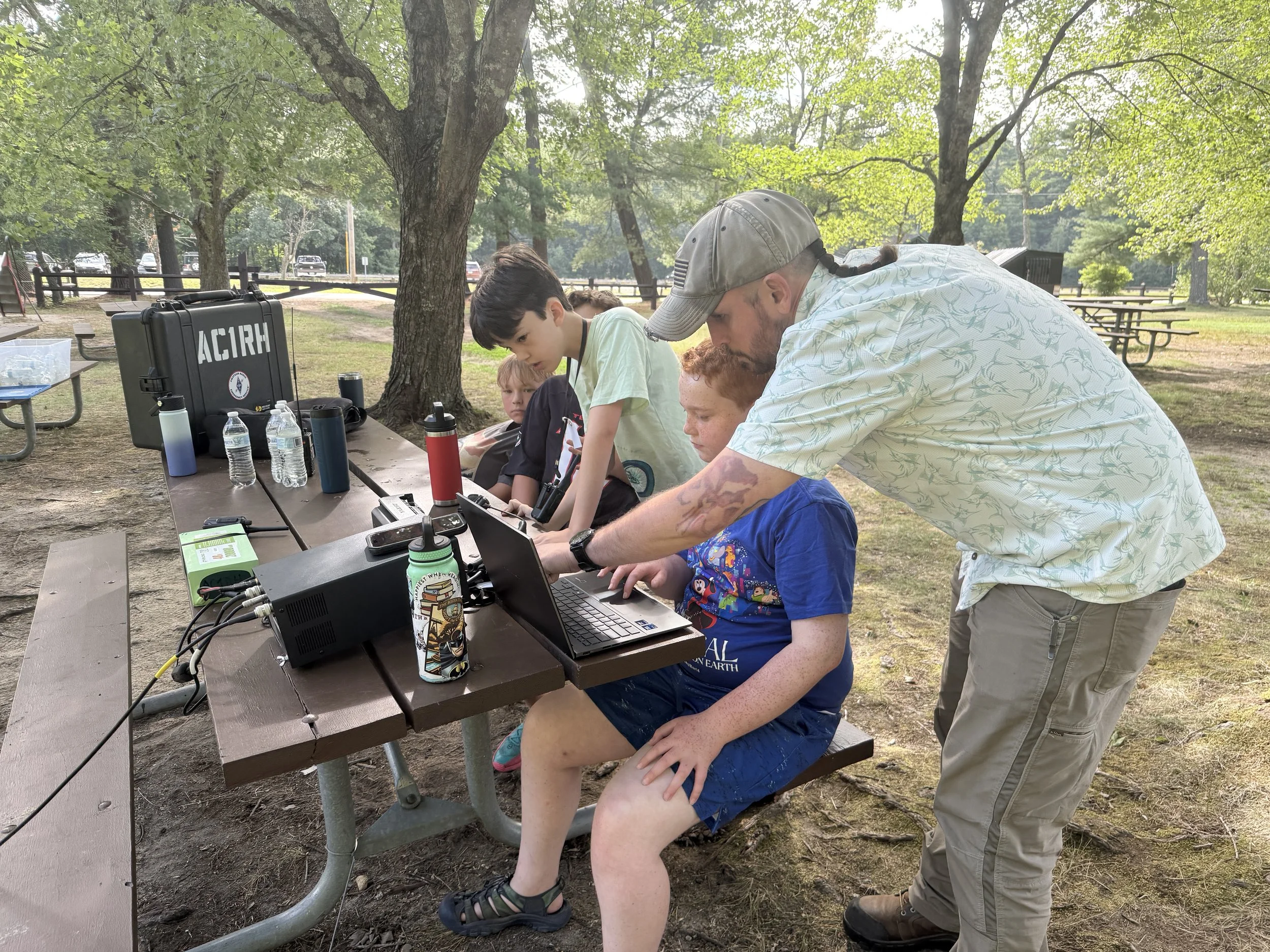
Between the two stations, the campers completed 30 contacts. Some even reached a station in Belgium—an unforgettable demonstration of just how far amateur radio can take your voice.
It was the perfect finale to an action-packed week.
Inspiring the Next Generation of Amateur Radio Operators
Throughout the week, the students showed incredible enthusiasm for everything amateur radio has to offer. They asked thoughtful questions, worked together, built real equipment, practiced radio procedures, and experienced the excitement of making contacts.
On several occasions, campers asked how they could earn their amateur radio licenses and receive call signs of their own. That curiosity and excitement are exactly what programs like this are designed to inspire.
A camp like this is only possible with the support of generous sponsors and dedicated volunteers. We extend our sincere thanks to:
Radioddity, for donating 12 Baofeng Mini handheld radios for the students.
ARRL, for donating 12 Technician Class training and study manuals—one for every camper beginning the journey toward earning a license.
GSARA members, who donated the parts for the tape measure Yagi antennas and prepared the component kits so the students could get right to building.
The local radio clubs and repeater owners who made their repeaters available, along with the amateur radio operators who participated in scheduled conversations with the campers.
Ralph (KC1TLY), Eric (N1JUR), Bill (KC1WWB), Mike (KB1QVO), Gene (W3UA), Mike (KC1NGS), Christian (N1COW), Keith (AC1RH), and Paul (KC1KMM), whose time, knowledge, equipment, and encouragement made the week a success.
Dennis Markel (N1IMW), for visiting the camp and encouraging our future amateur radio operators.
Most of all, thank you to the 12 campers who brought their curiosity, energy, and willingness to try something new. We hope this week was just the beginning of their amateur radio adventures—and we look forward to hearing their new call signs on the air!
To learn more about the Granite State Amateur Radio Association and its activities, visit GSARA.org
Interested in bringing a summer ham radio camp to your own club? Reach out to Eric (N1JUR) at eric@n1jur.com for more information and ideas to help you get started.