
GETTING STARTED
Getting Started
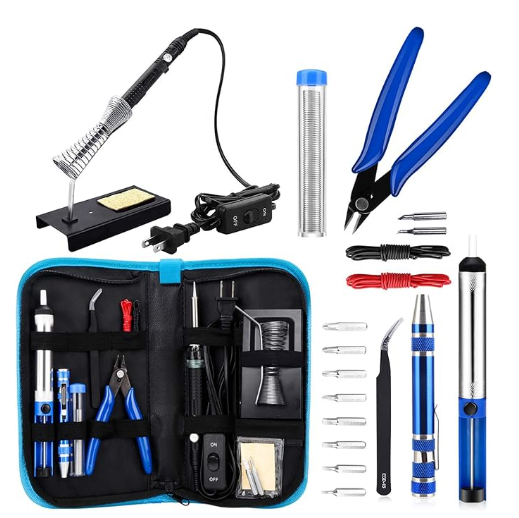
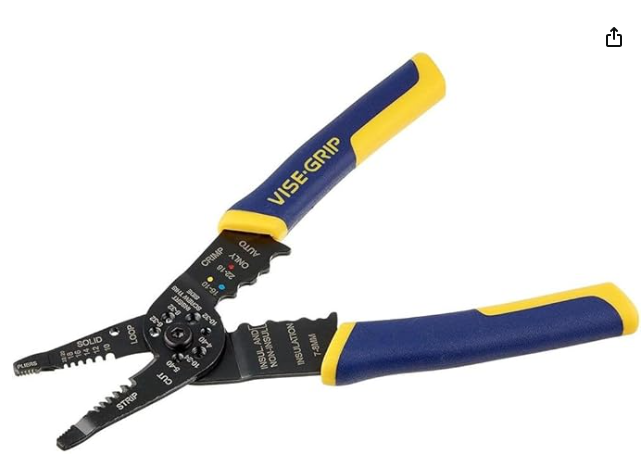
1. Soldering Iron (Temperature Controlled)
A basic temperature-controlled iron is best for beginners and prevents overheating components.
Recommended:
👉 https://amzn.to/4lzd0uU
What it does:
Heats solder to attach electronic components to the board.
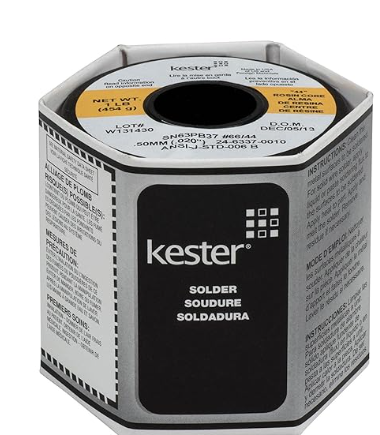
2. Rosin Core Electronics Solder
Standard 60/40 or 63/37 rosin core solder works great.
Recommended:
👉 https://amzn.to/3NBYCFE
Specs:
Rosin core
~0.6–0.8 mm thickness
Leaded solder is easiest for beginners
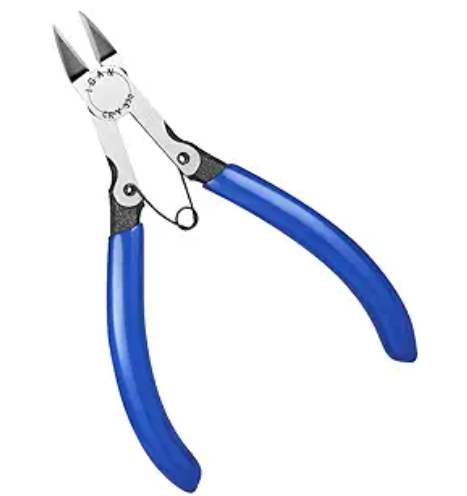
3. Flush Cutters (For Trimming Component Leads)
Recommended:
👉 https://amzn.to/4bhYXVG
Used for:
Trimming excess wire leads after soldering.
4. Needle Nose Pliers
Recommended:
👉 https://amzn.to/47Mmw86
Used for:
Bending component leads
Holding small parts during assembly
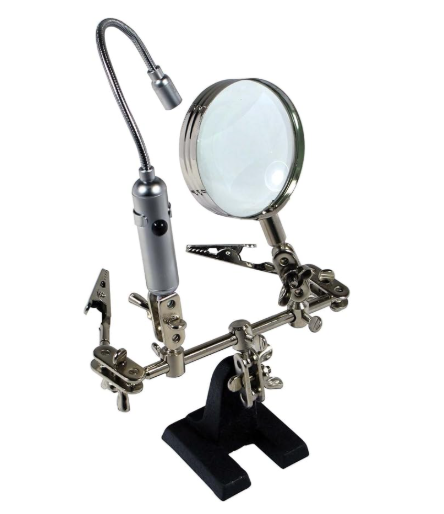
5. Helping Hands (Optional but VERY helpful)
Recommended:
👉 https://amzn.to/4dooteA
Used for:
Holding the circuit board while soldering.
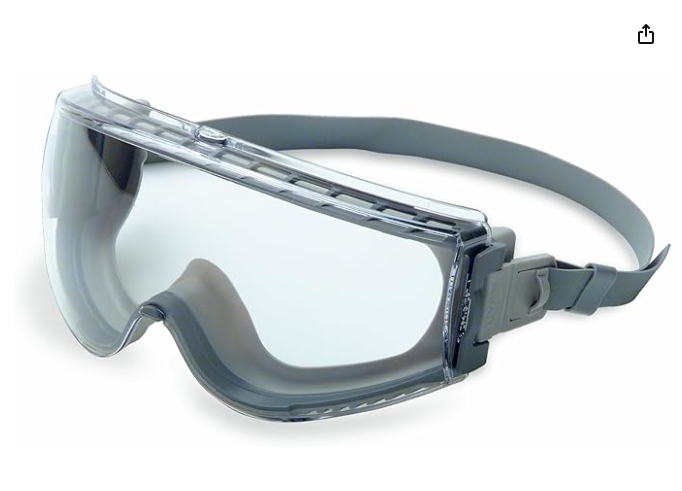
6. Safety Glasses
Recommended:
👉https://amzn.to/4sGx0Ou
Why:
Clipped leads can fly when trimmed.
Zoom Setup
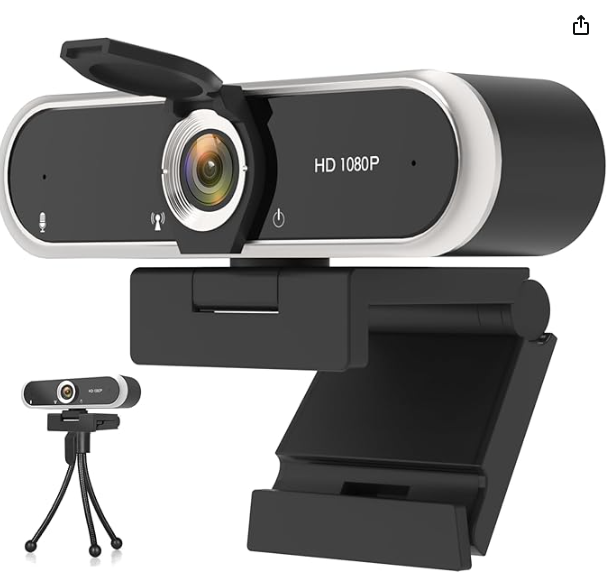
A USB low-cost webcam will enhance the experience for you and the group by allowing you to easily maneuver the camera around your project, helping participants engage more effectively.
Low-Cost USB 1080p Webcam
Recommended: https://amzn.to/40vgDIH