GSARA Members Support Local Road Race Communications with ARES Team
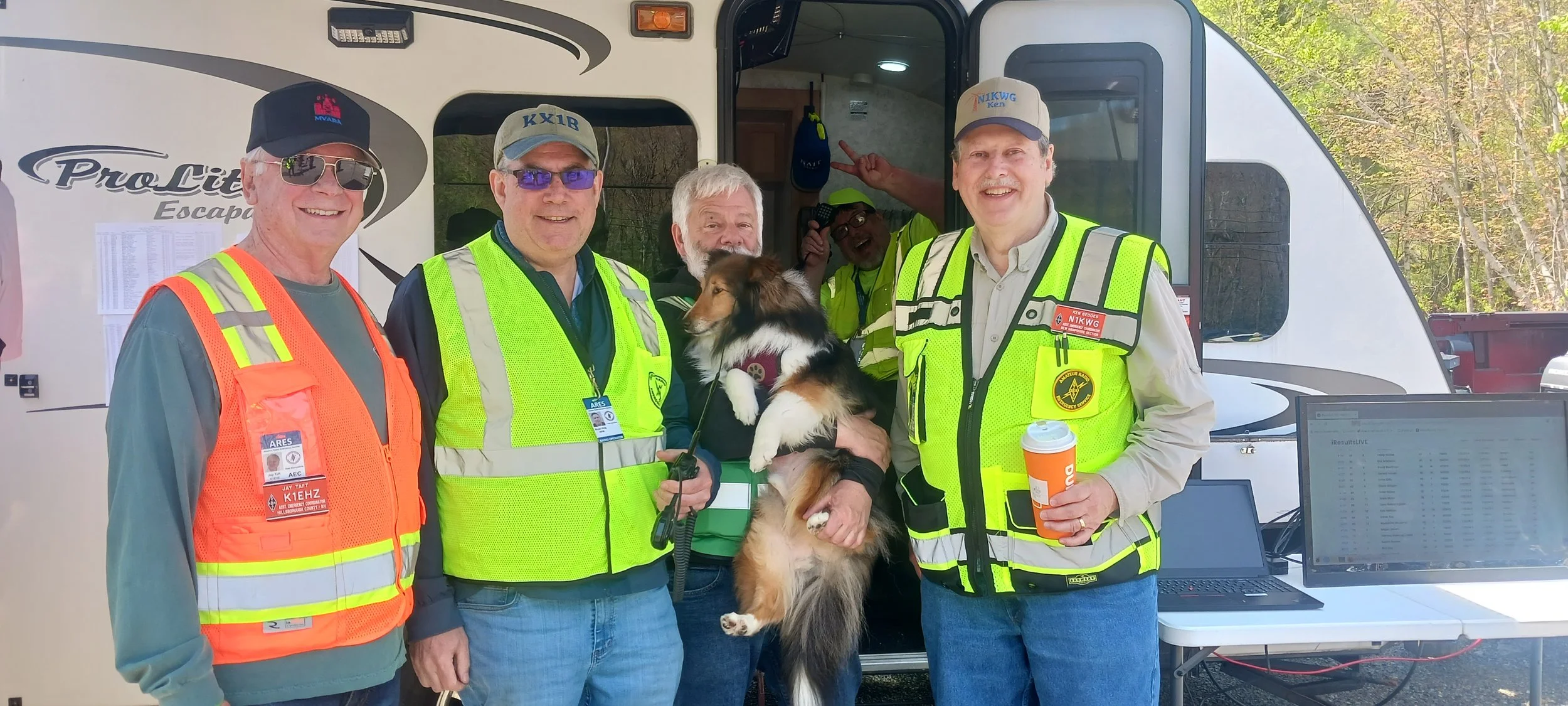
There are many ways amateur radio shows up in the community, and one of the best examples is when hams step out of the shack, put on a safety vest, grab the HT or mobile rig, and help keep a public event running smoothly.
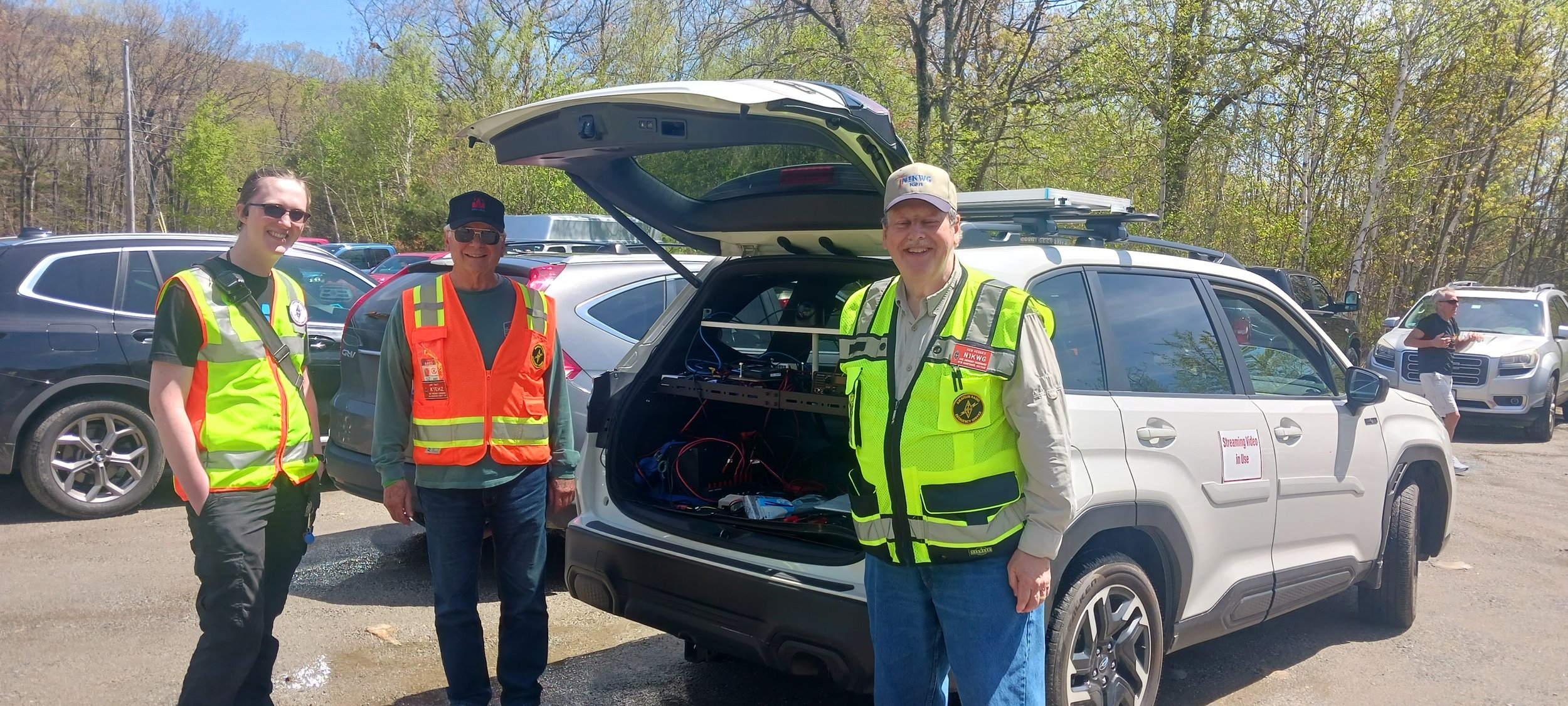
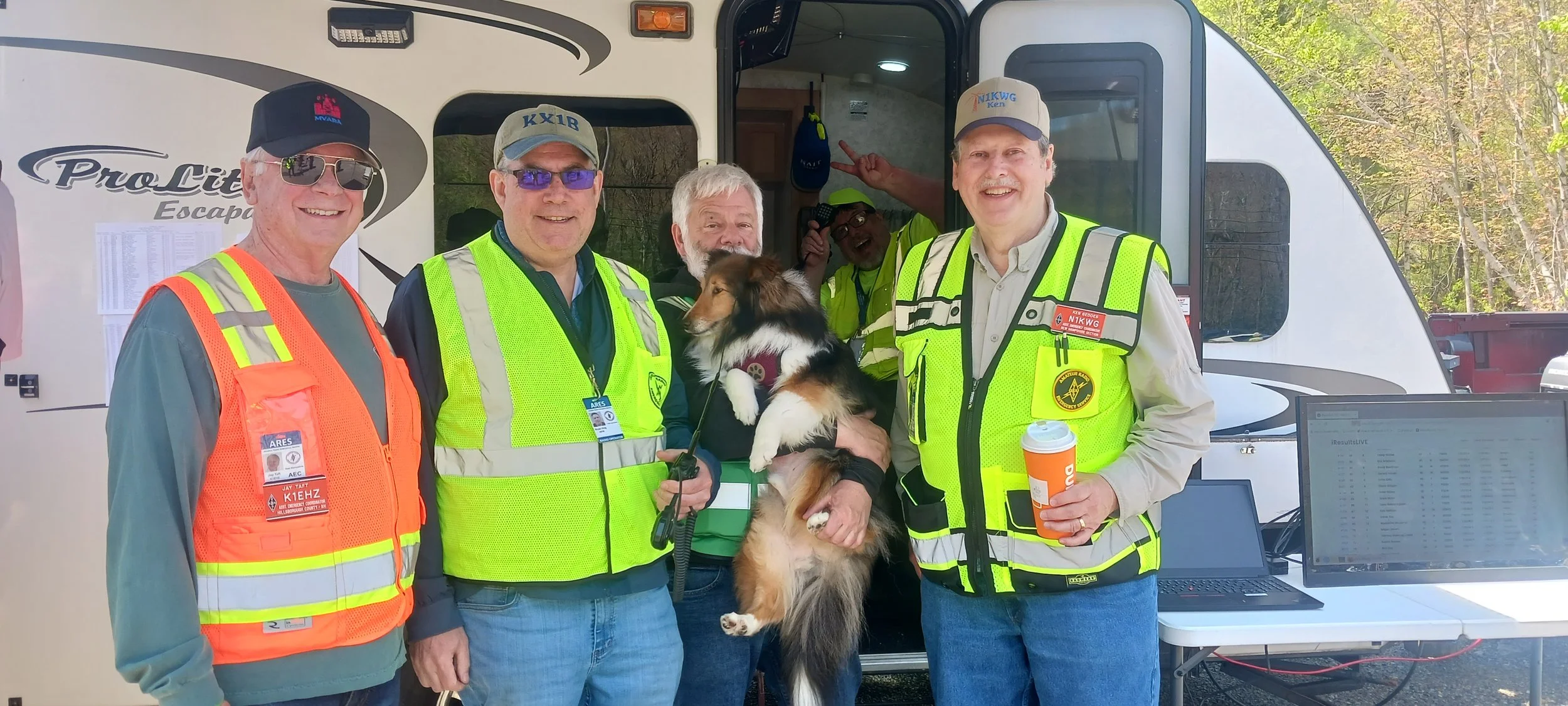
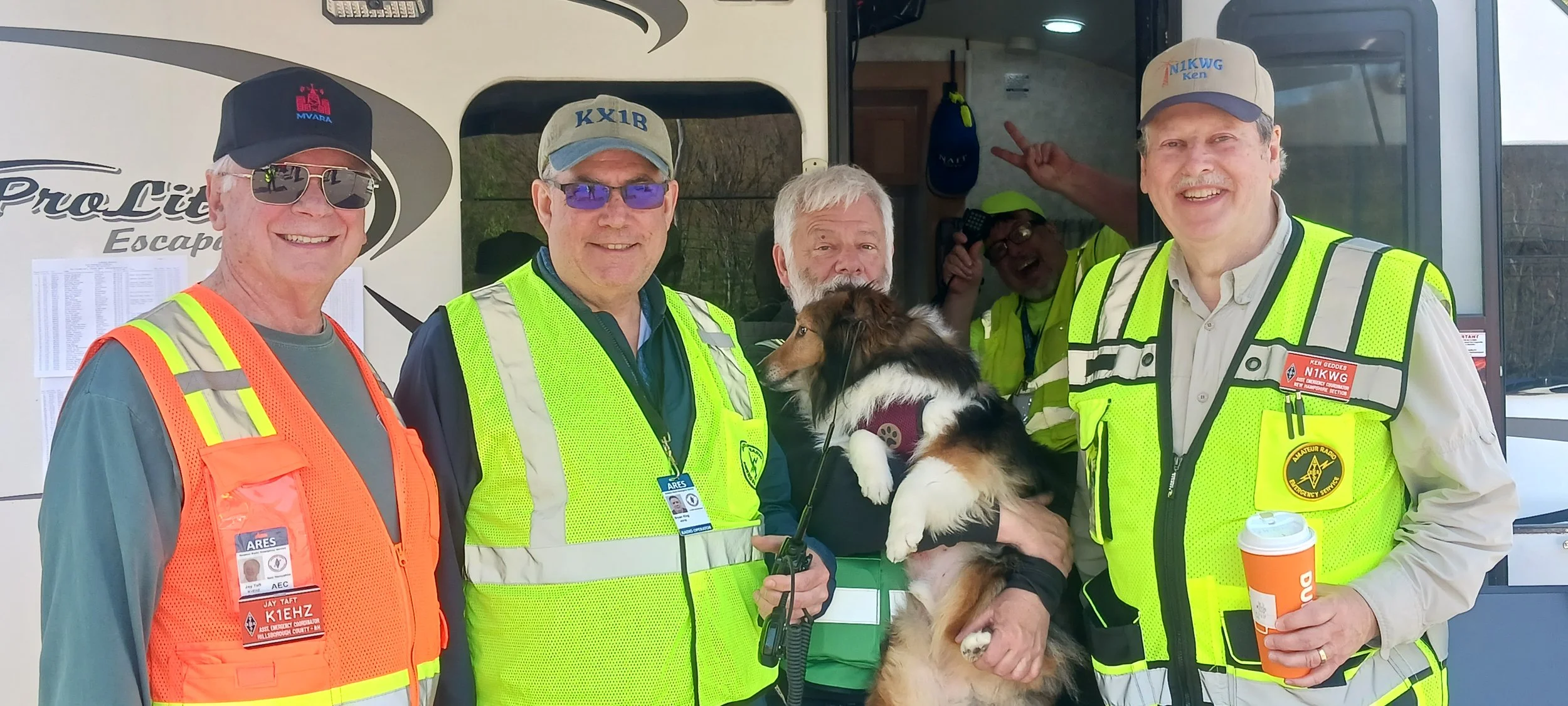
Recently, members of the Granite State Amateur Radio Association participated in a joint community communications exercise to support a local road race. This effort brought together members of Greater Manchester ARES and Hillsborough County/Nashua Area ARES, working side by side to provide race-day communications, situational awareness, and support for event organizers.
And honestly? It was a great day for it.
The weather was beautiful, the communications team was well organized, and the people involved with the race genuinely appreciated the support from the amateur radio operators. There were even free snacks involved, which, as any experienced ham knows, dramatically improves operational readiness.
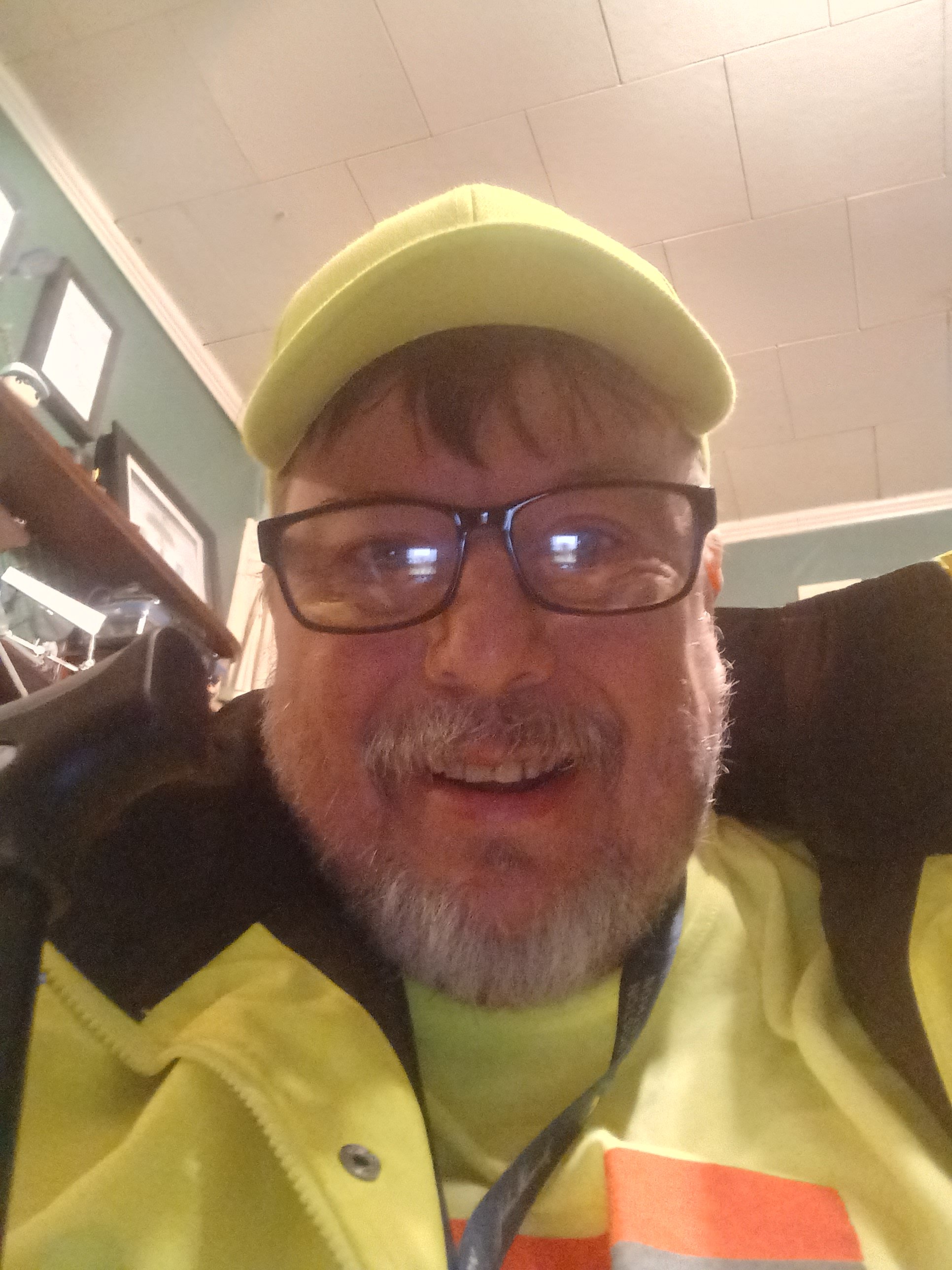
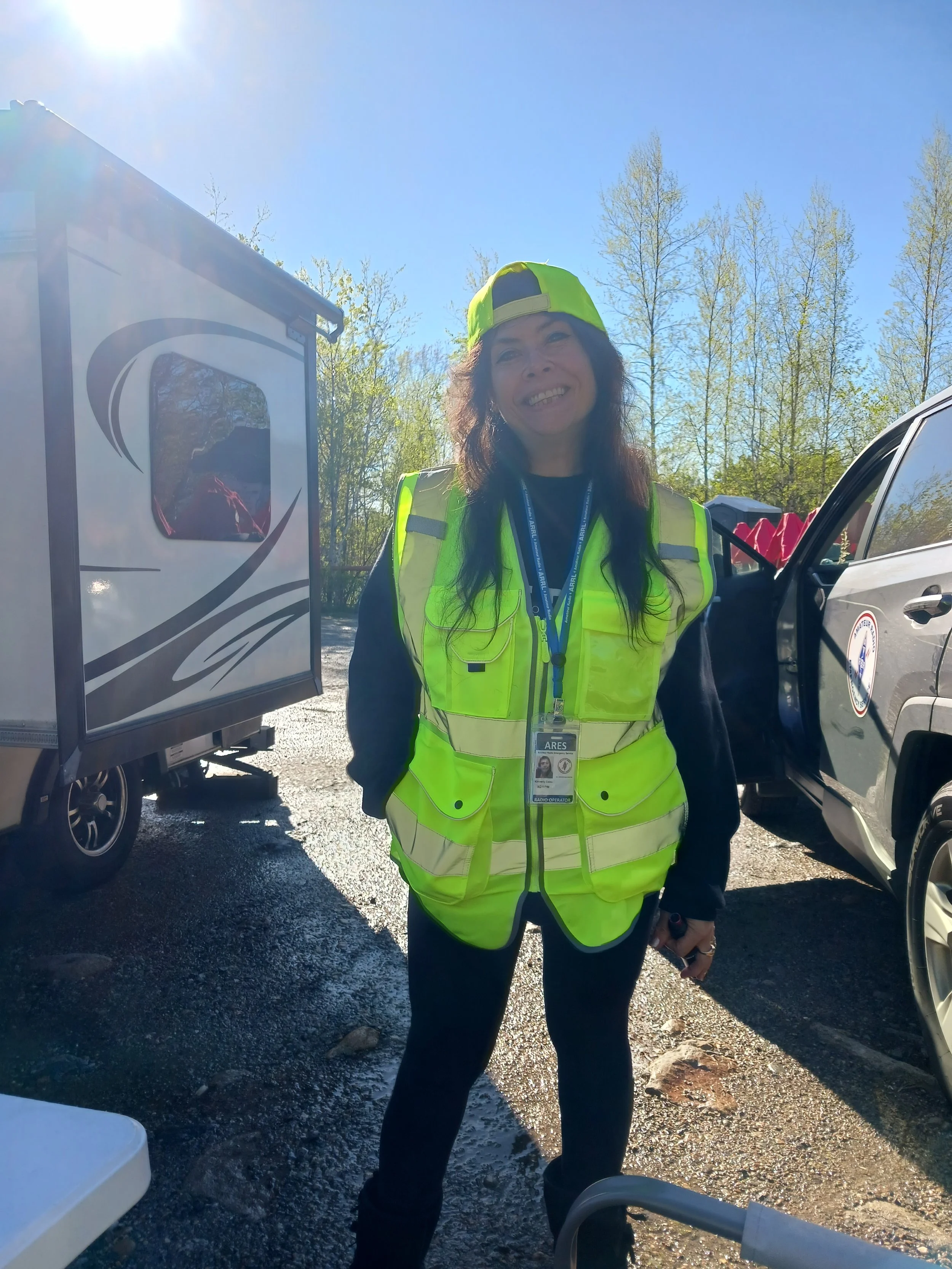
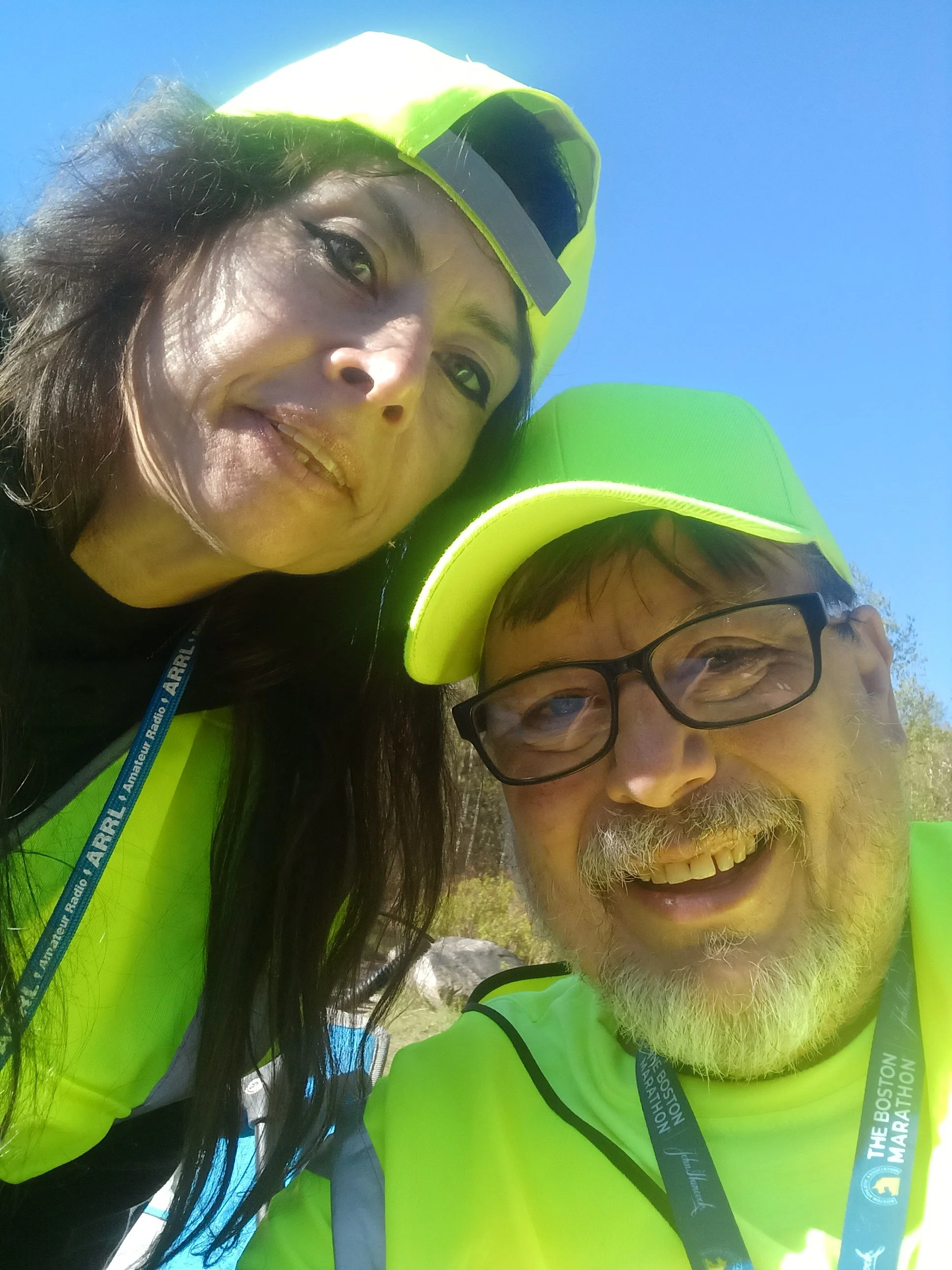
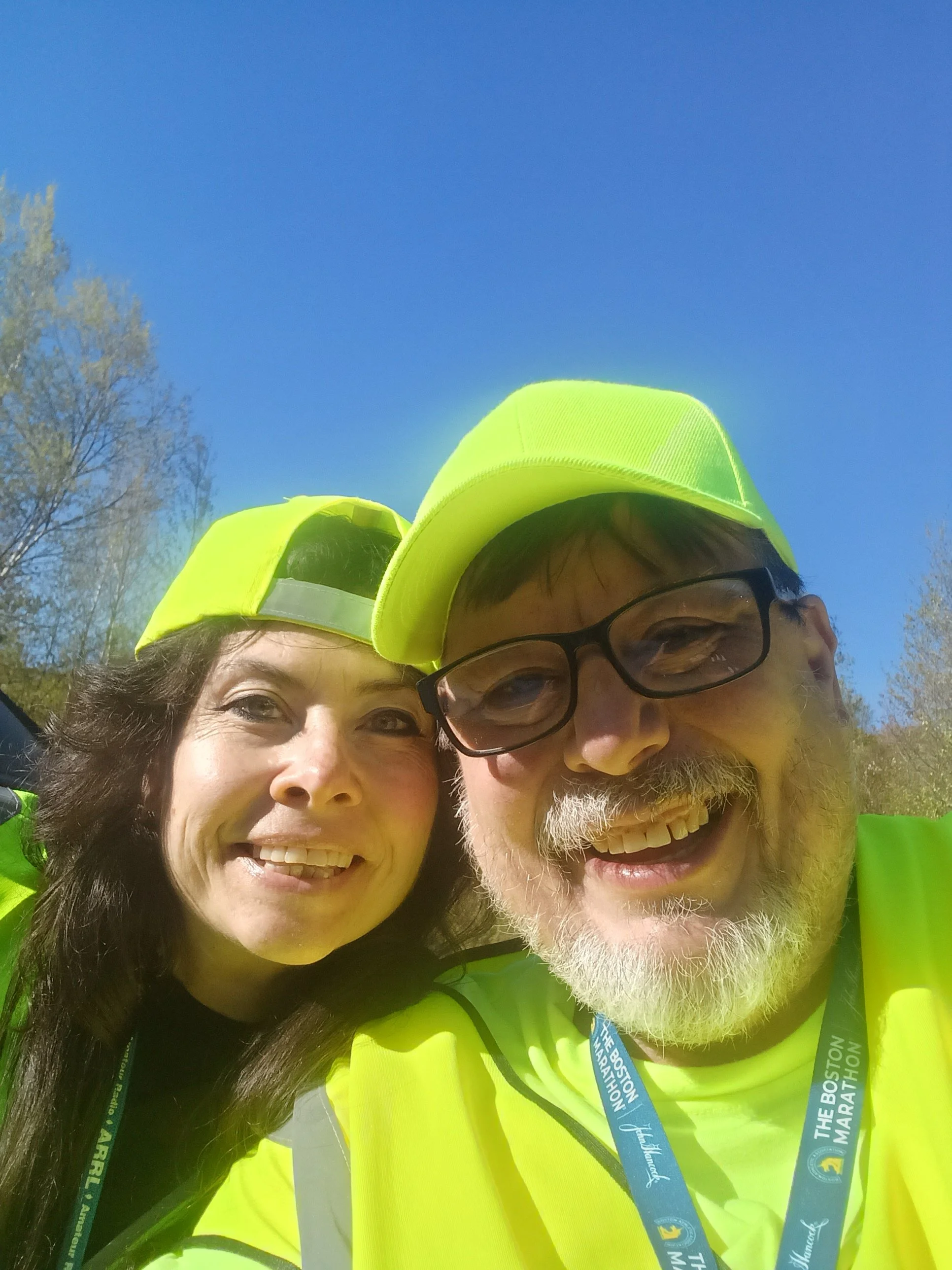
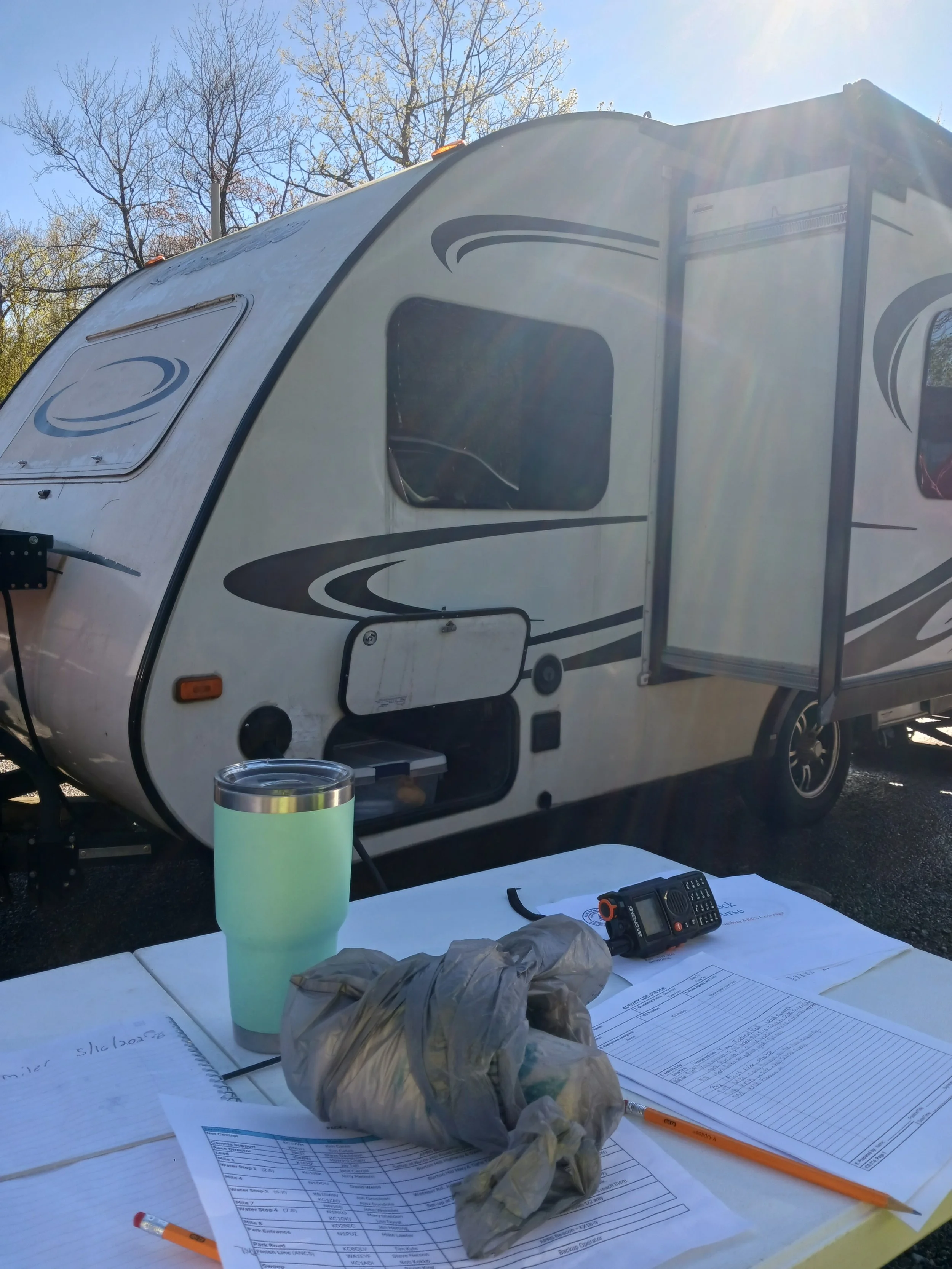
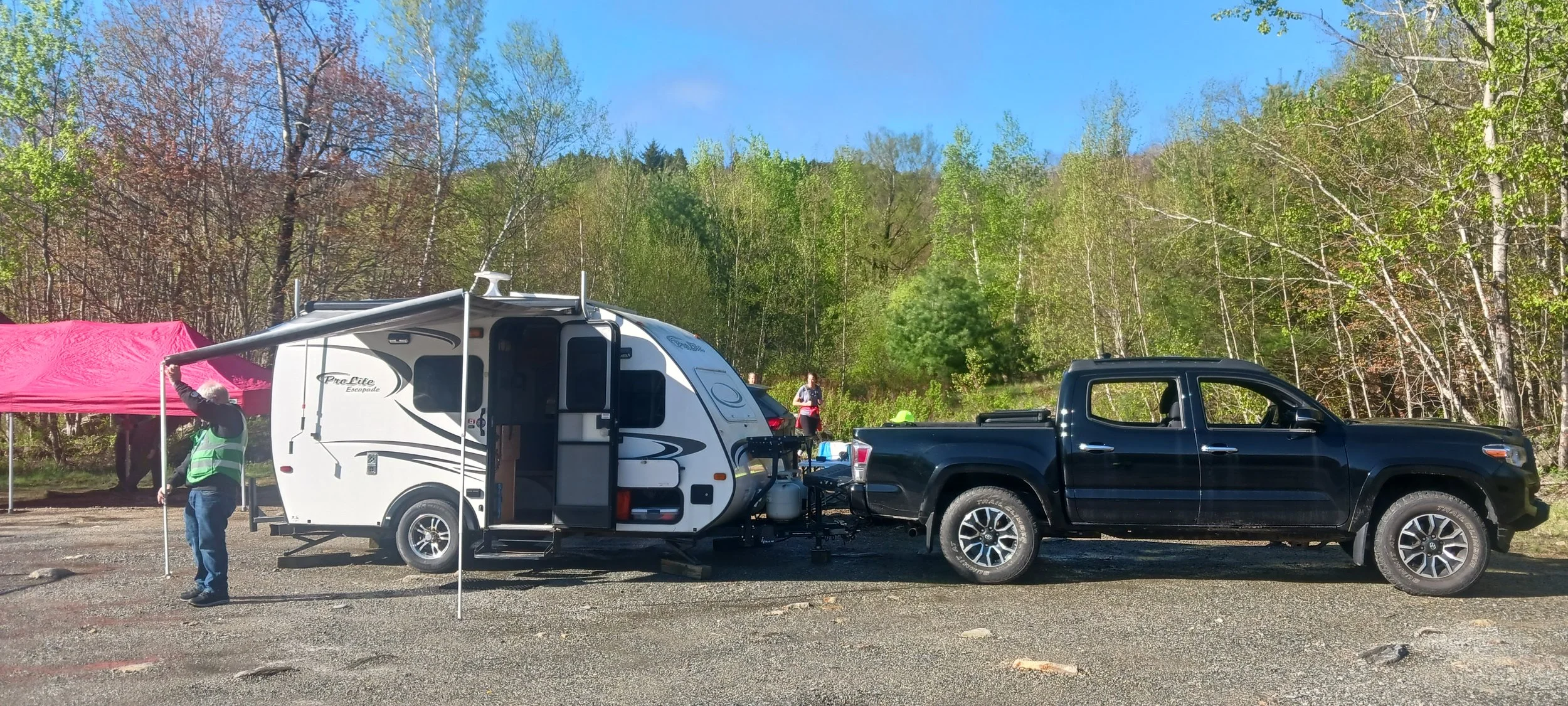
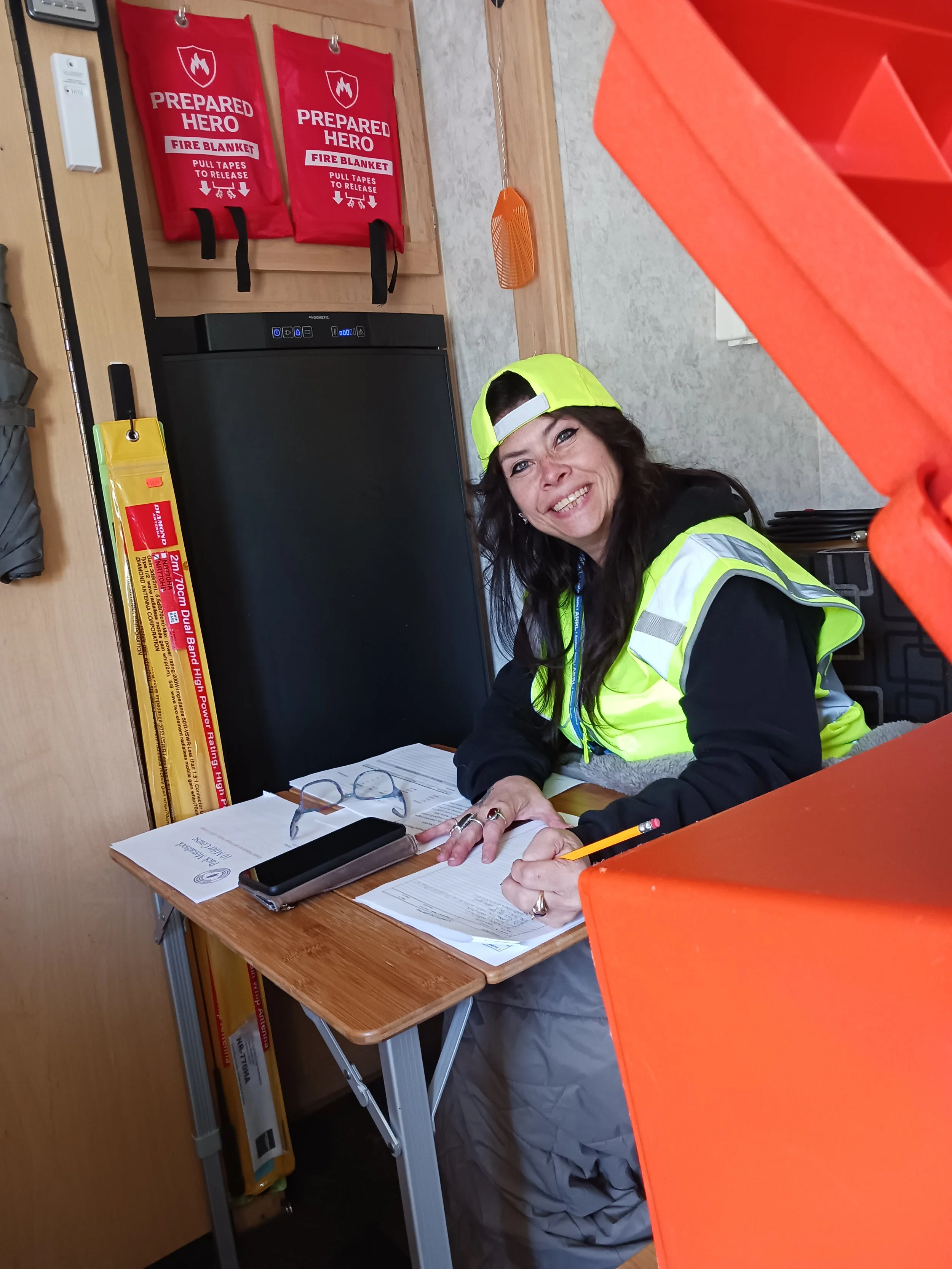
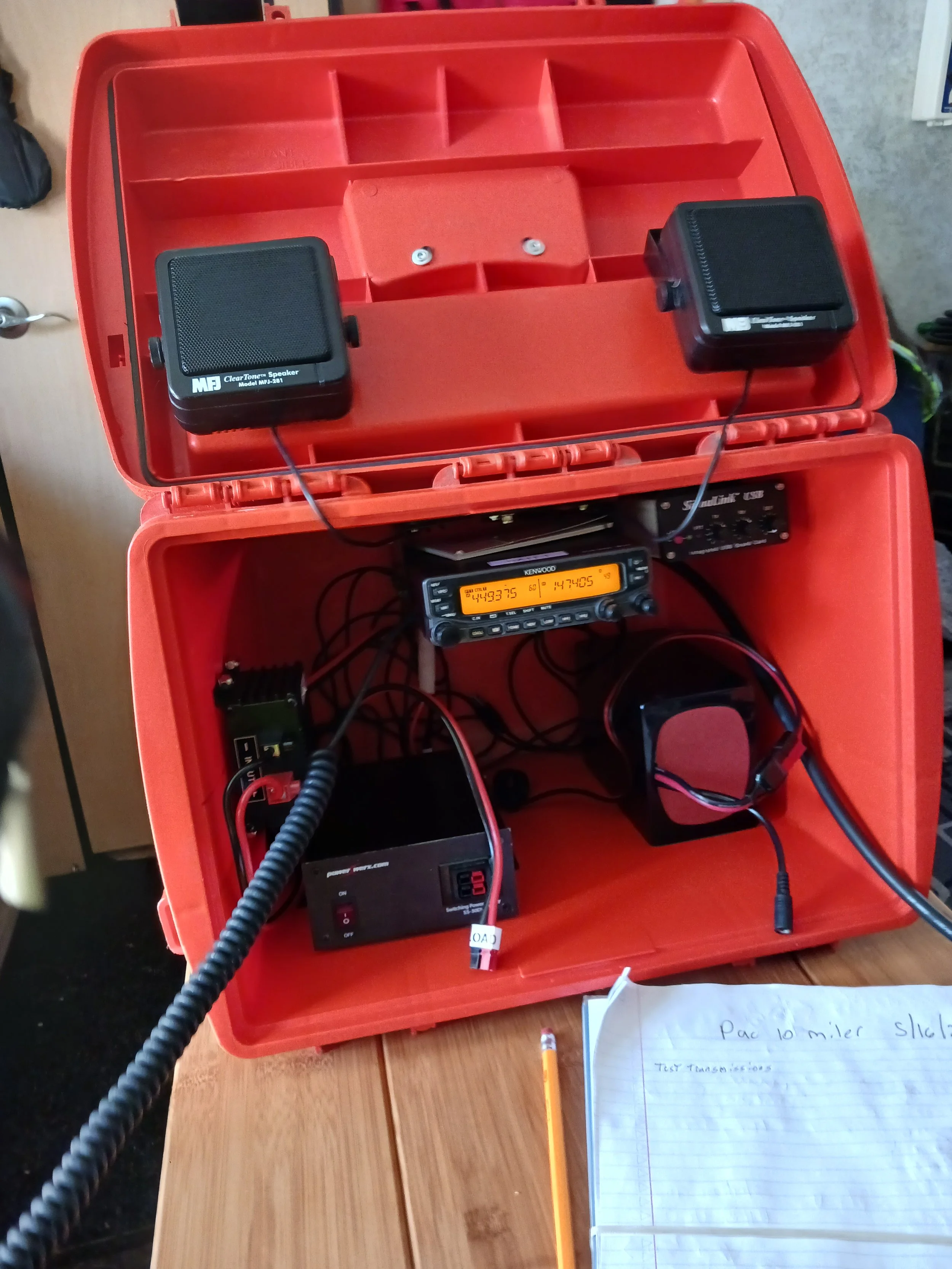
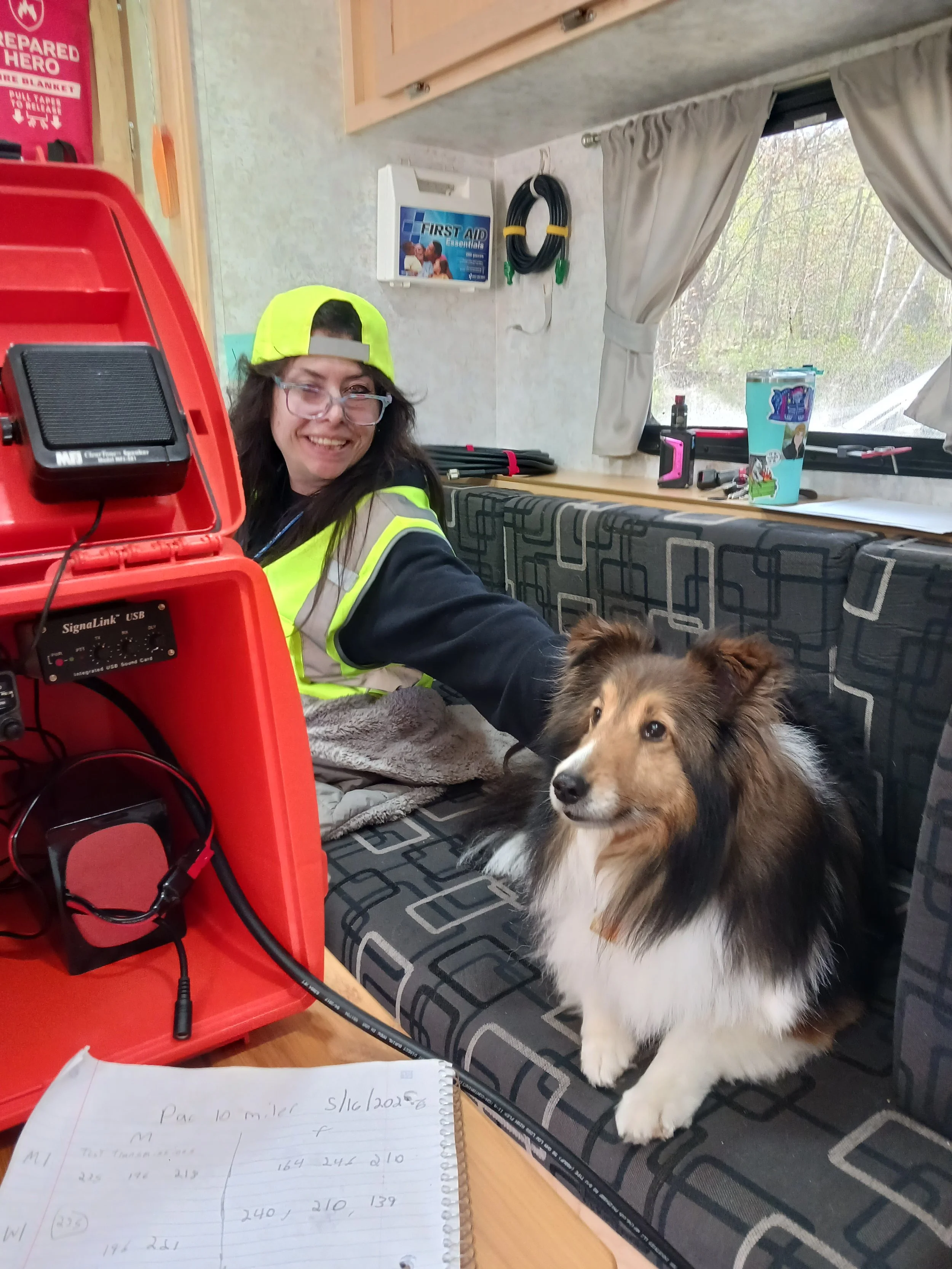
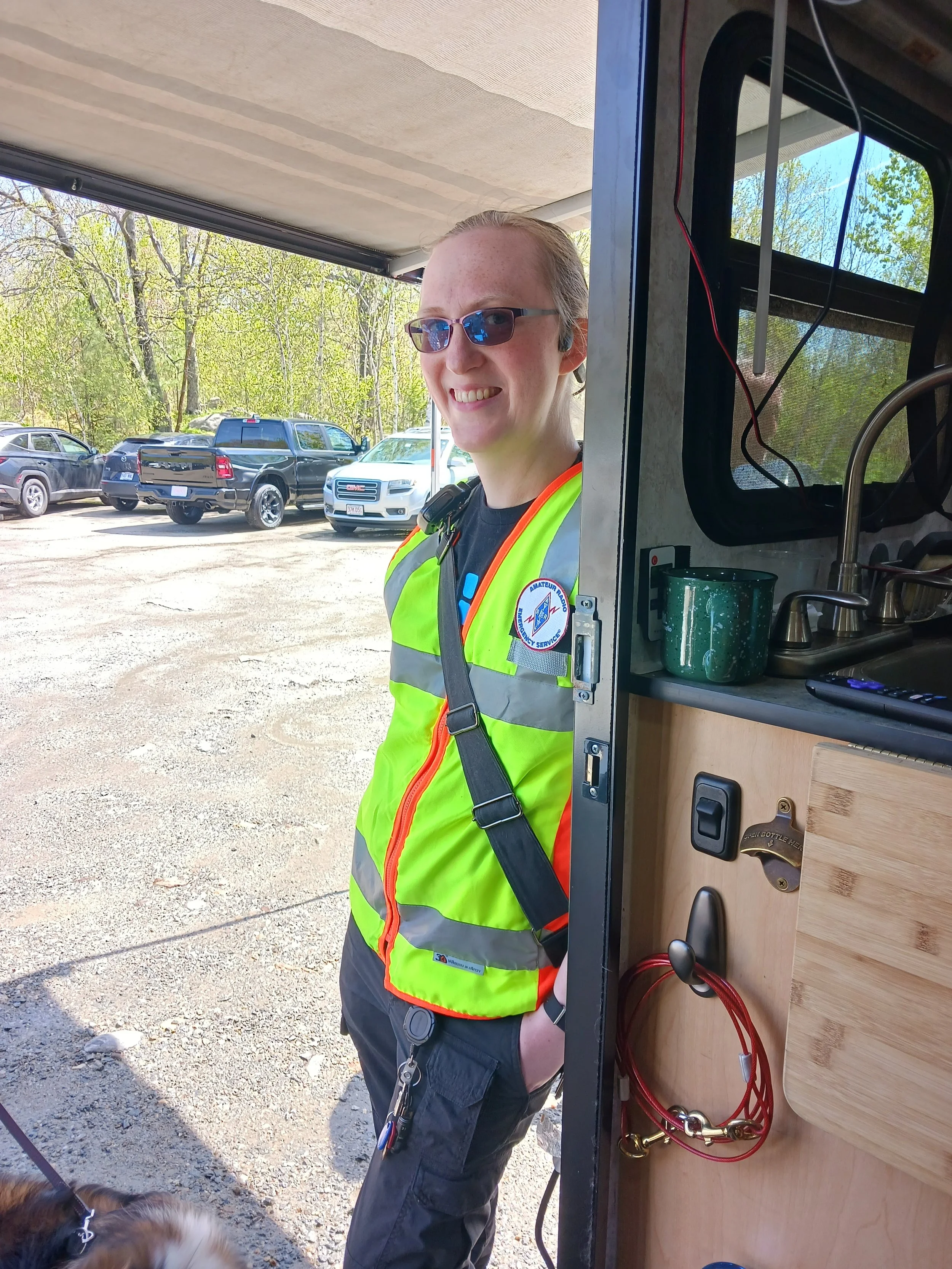
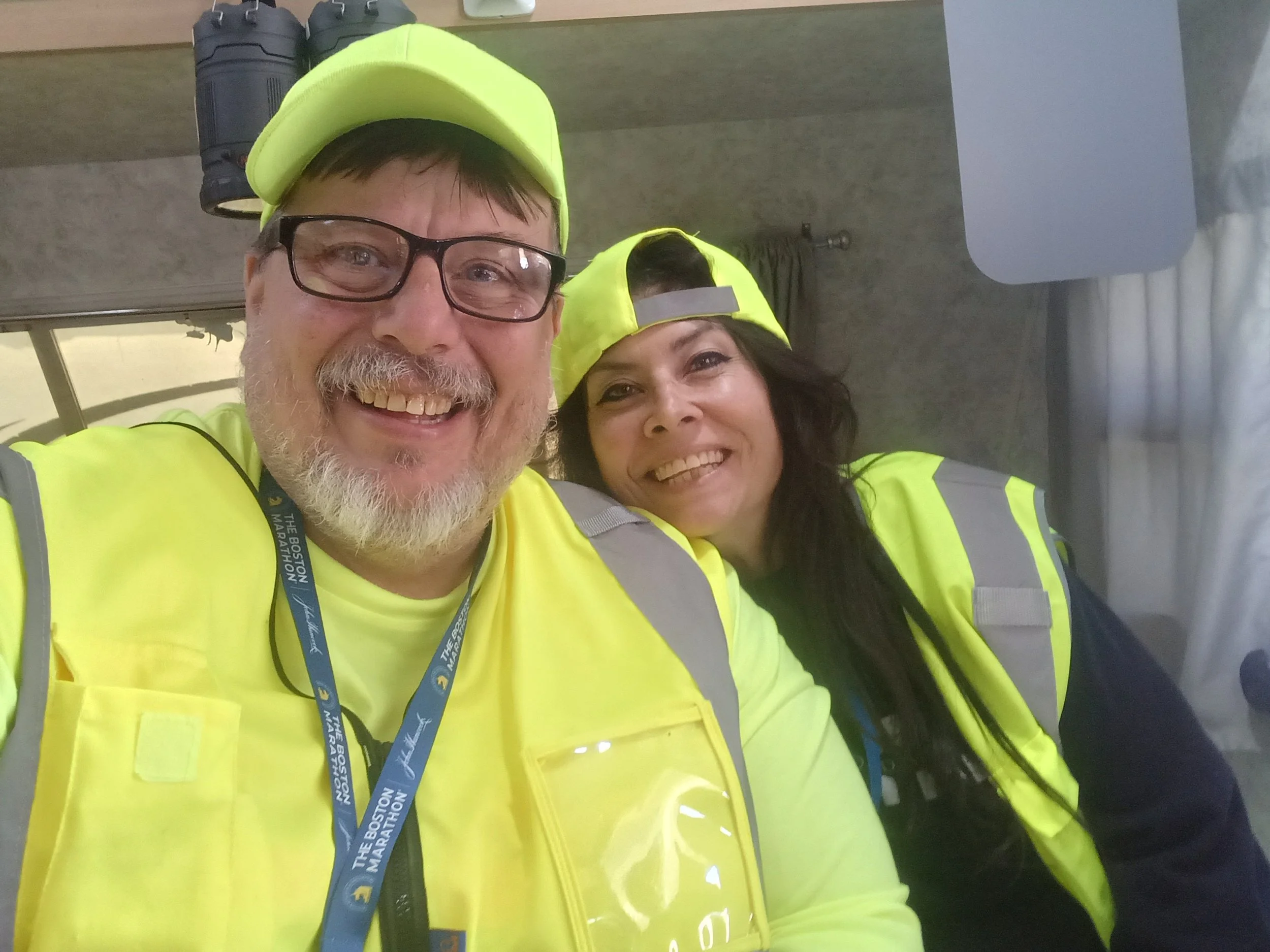
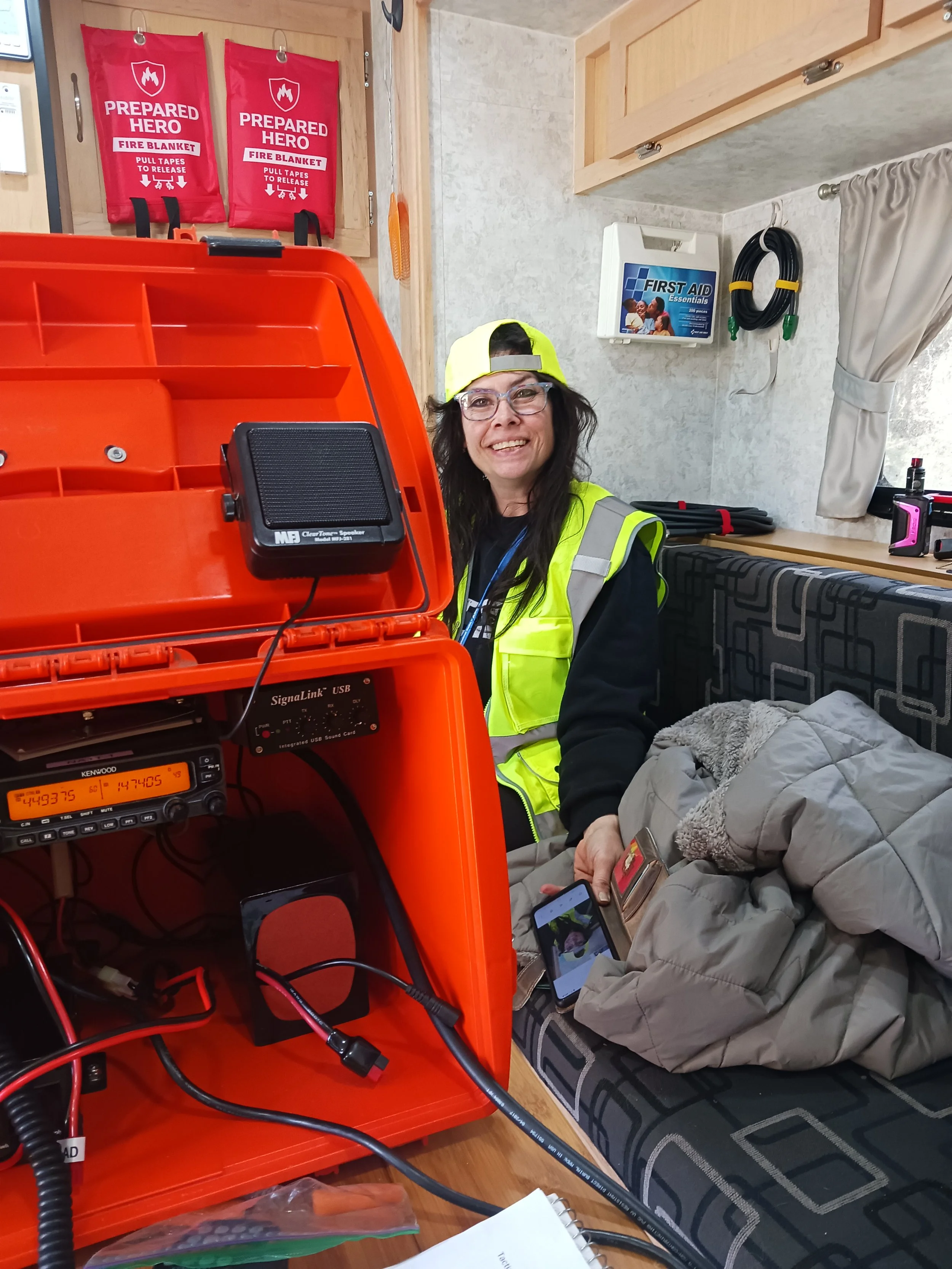
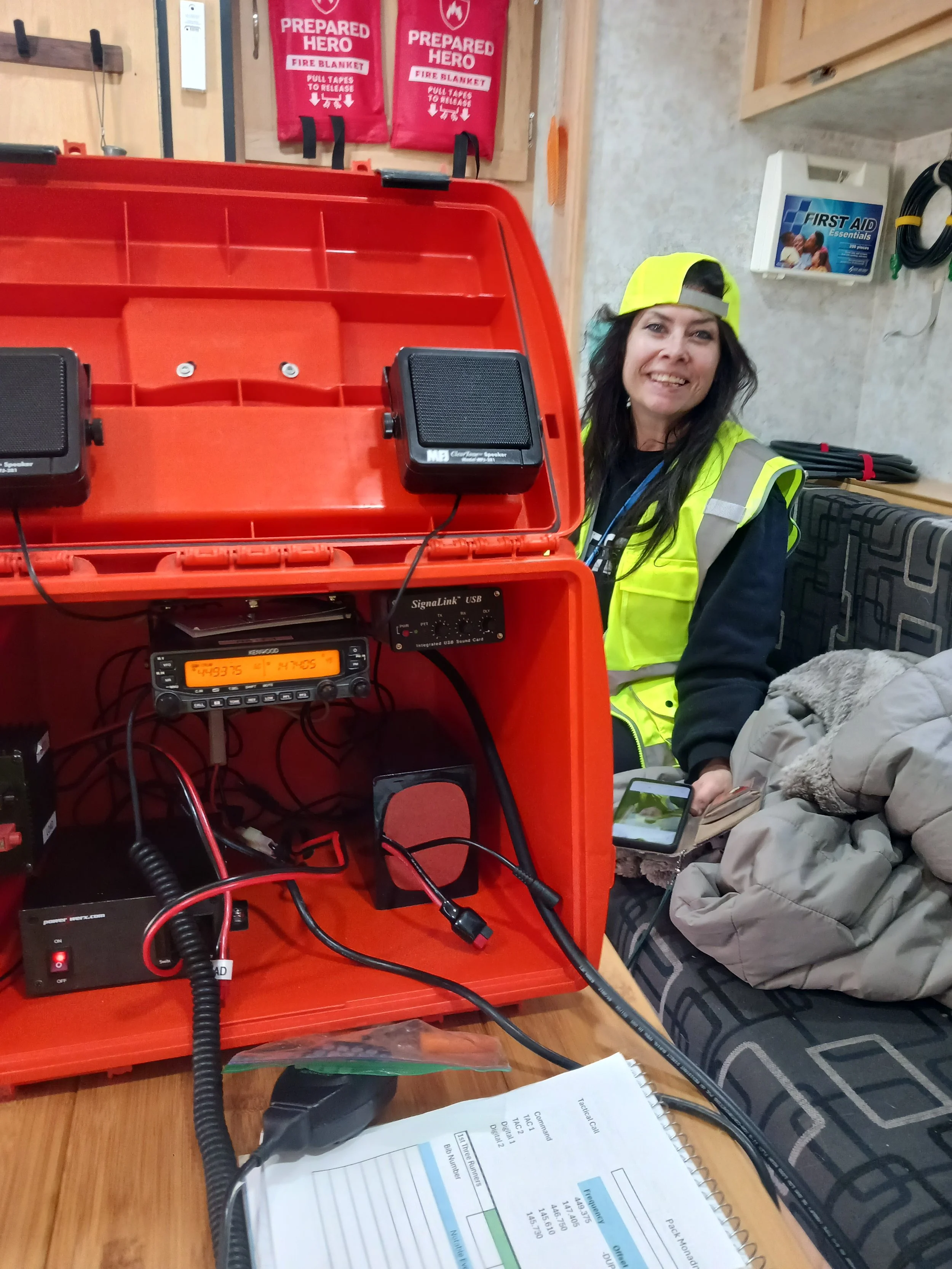
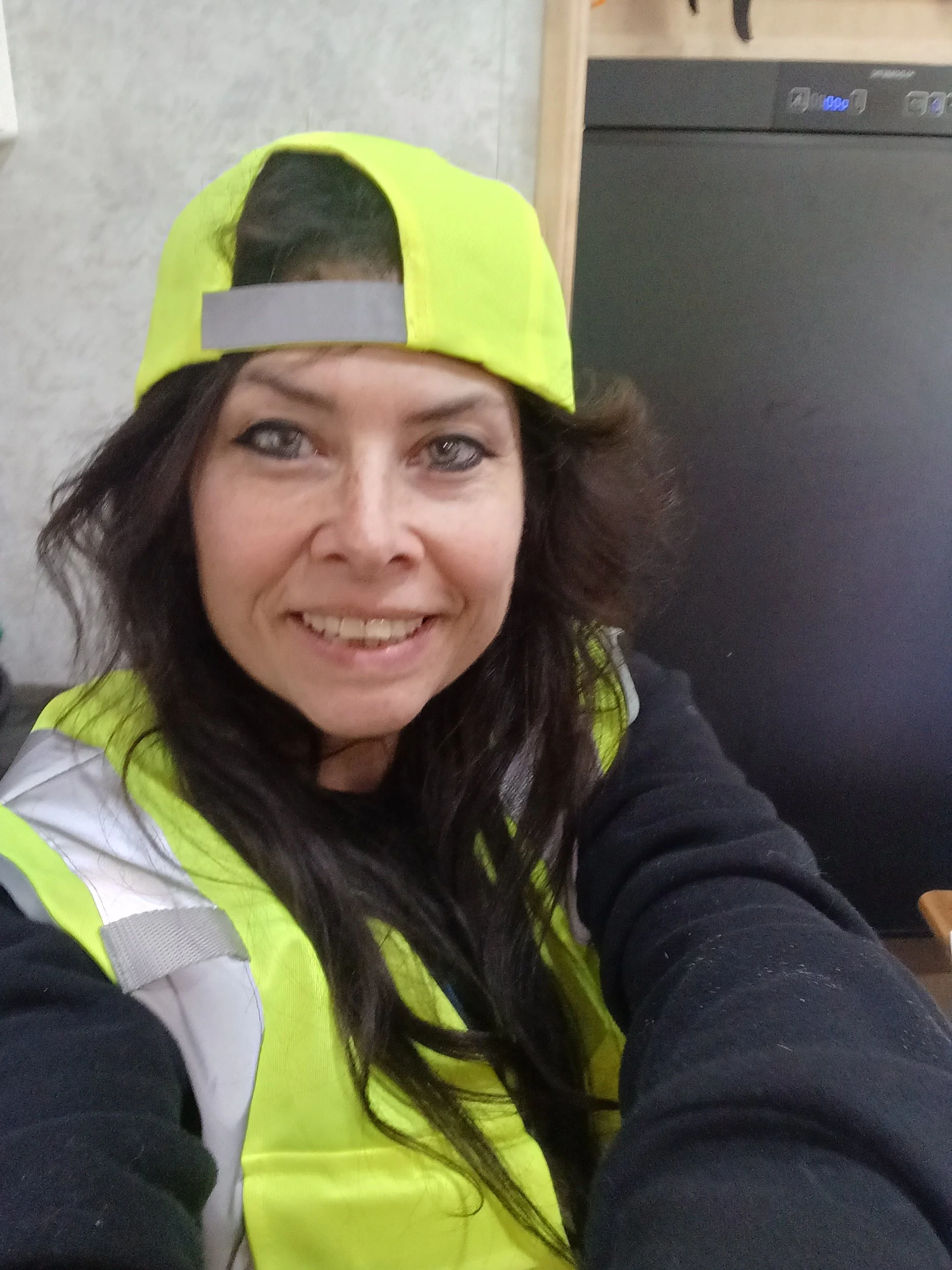
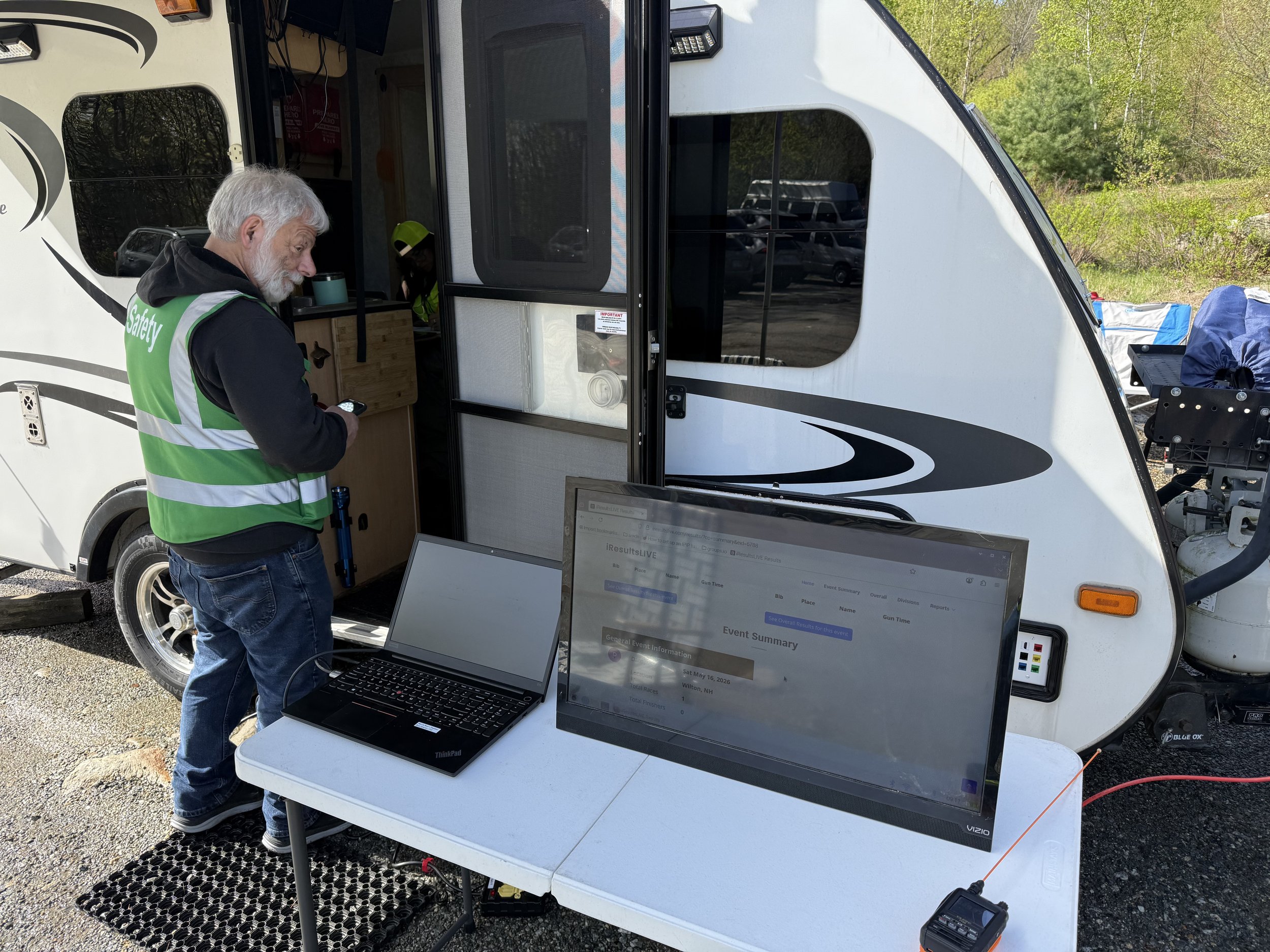
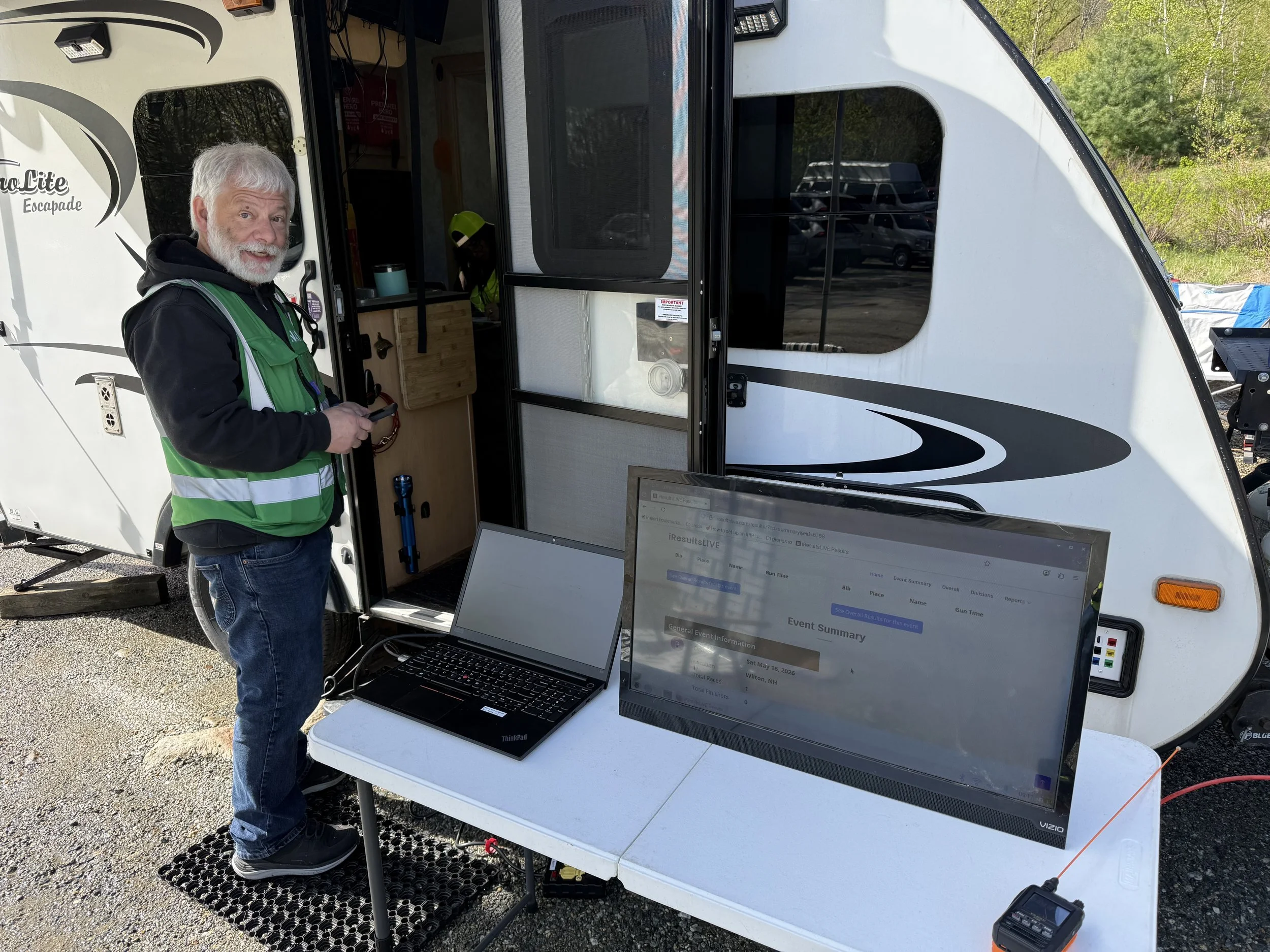
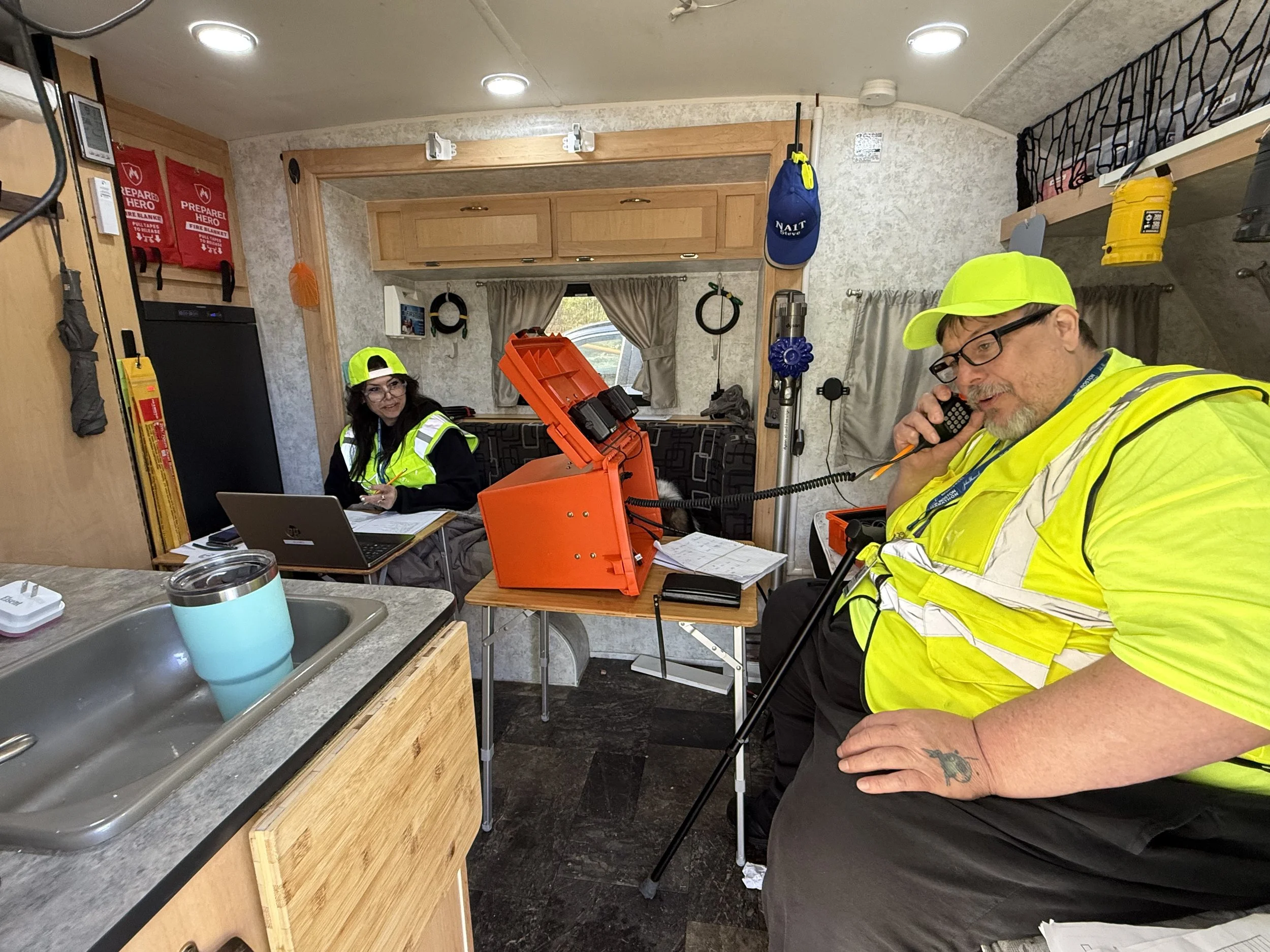
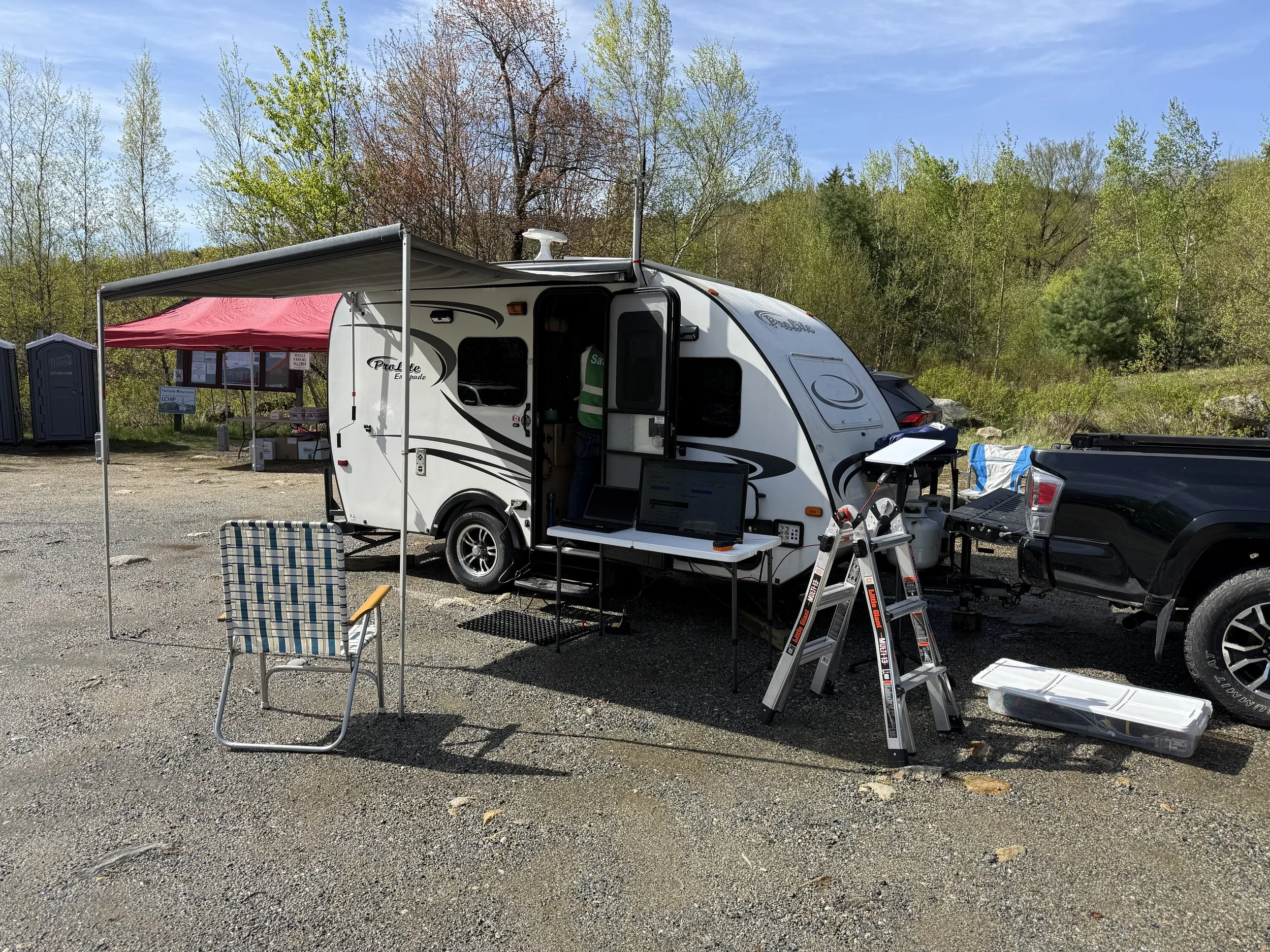
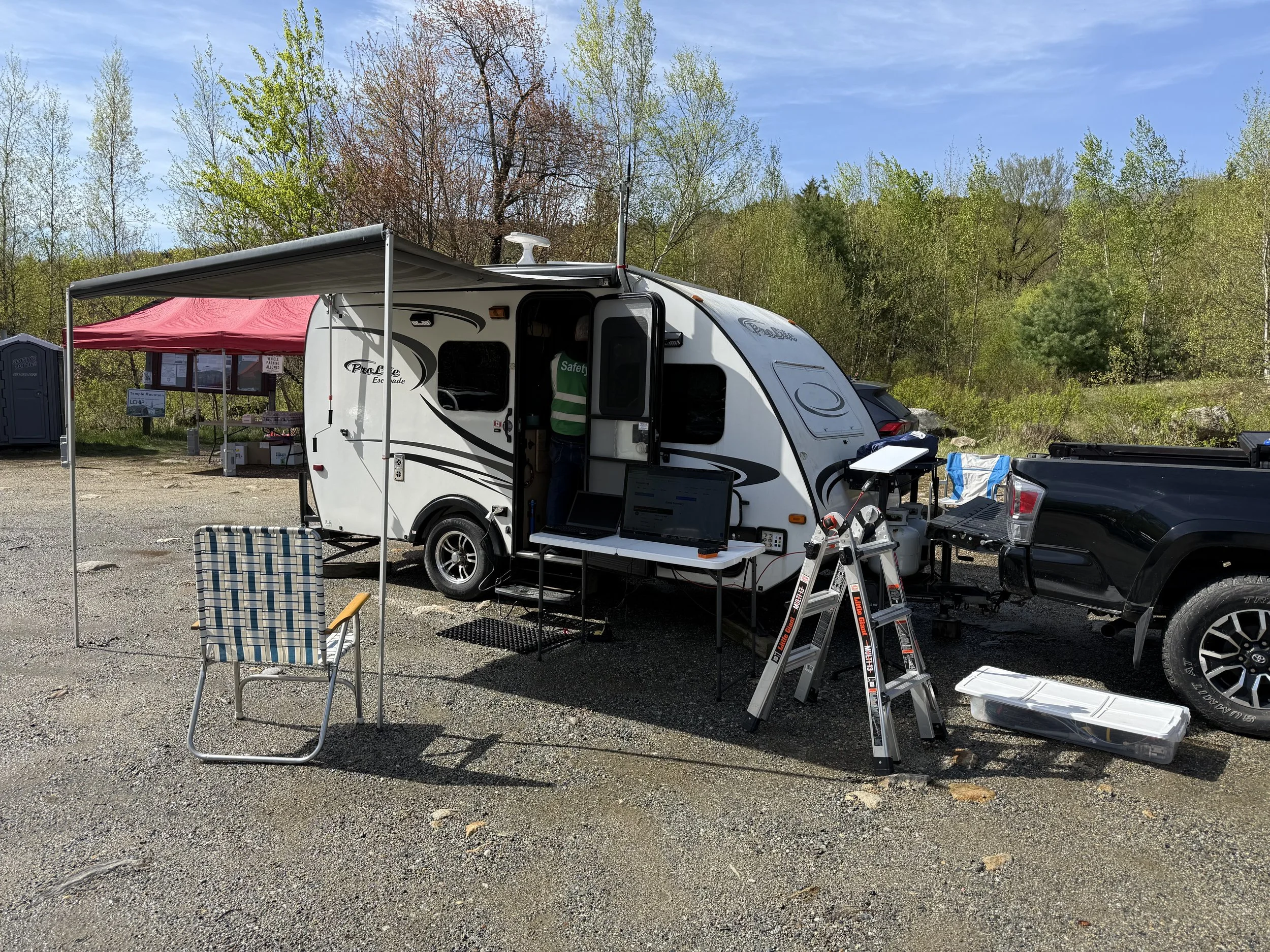
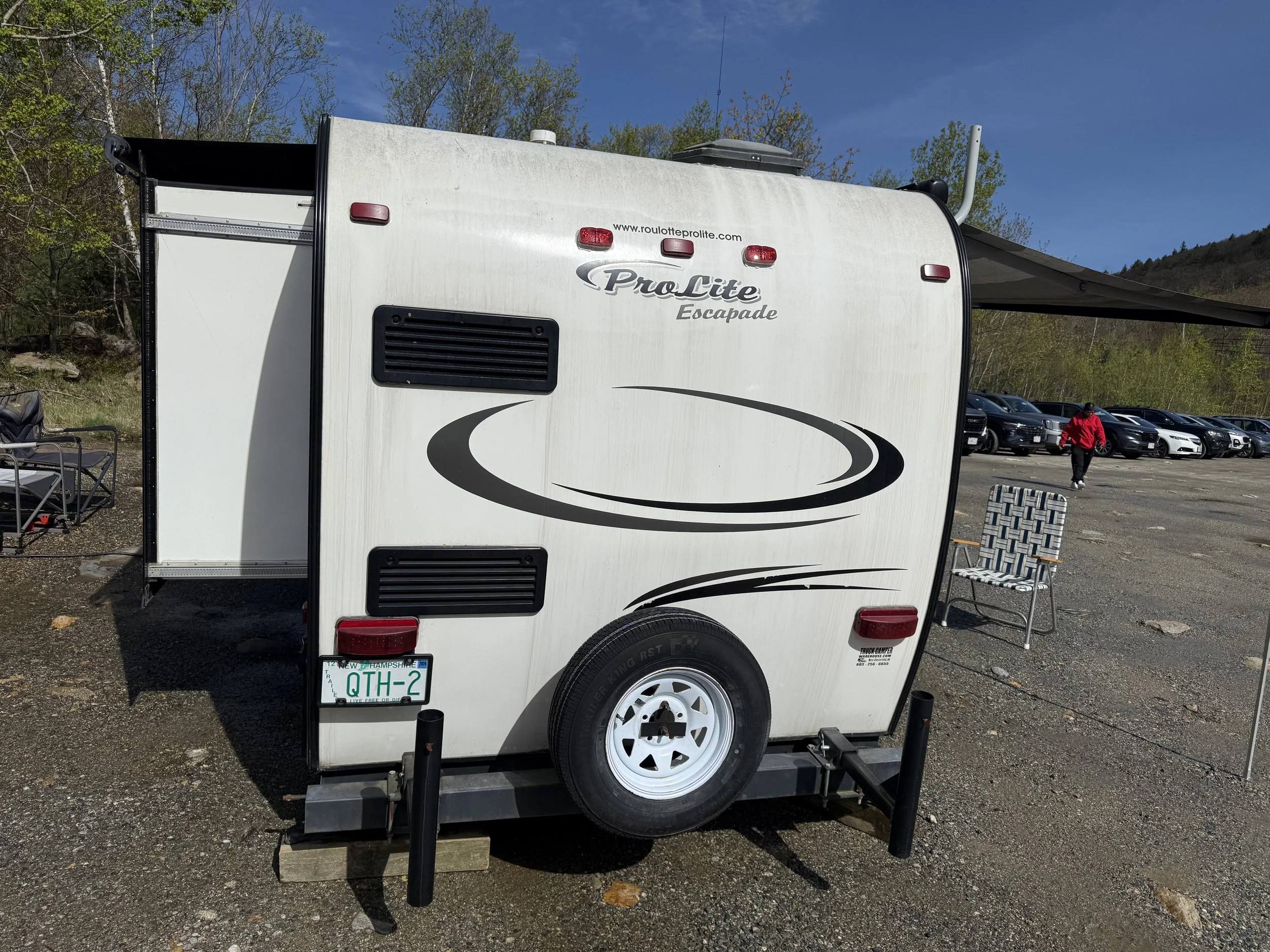
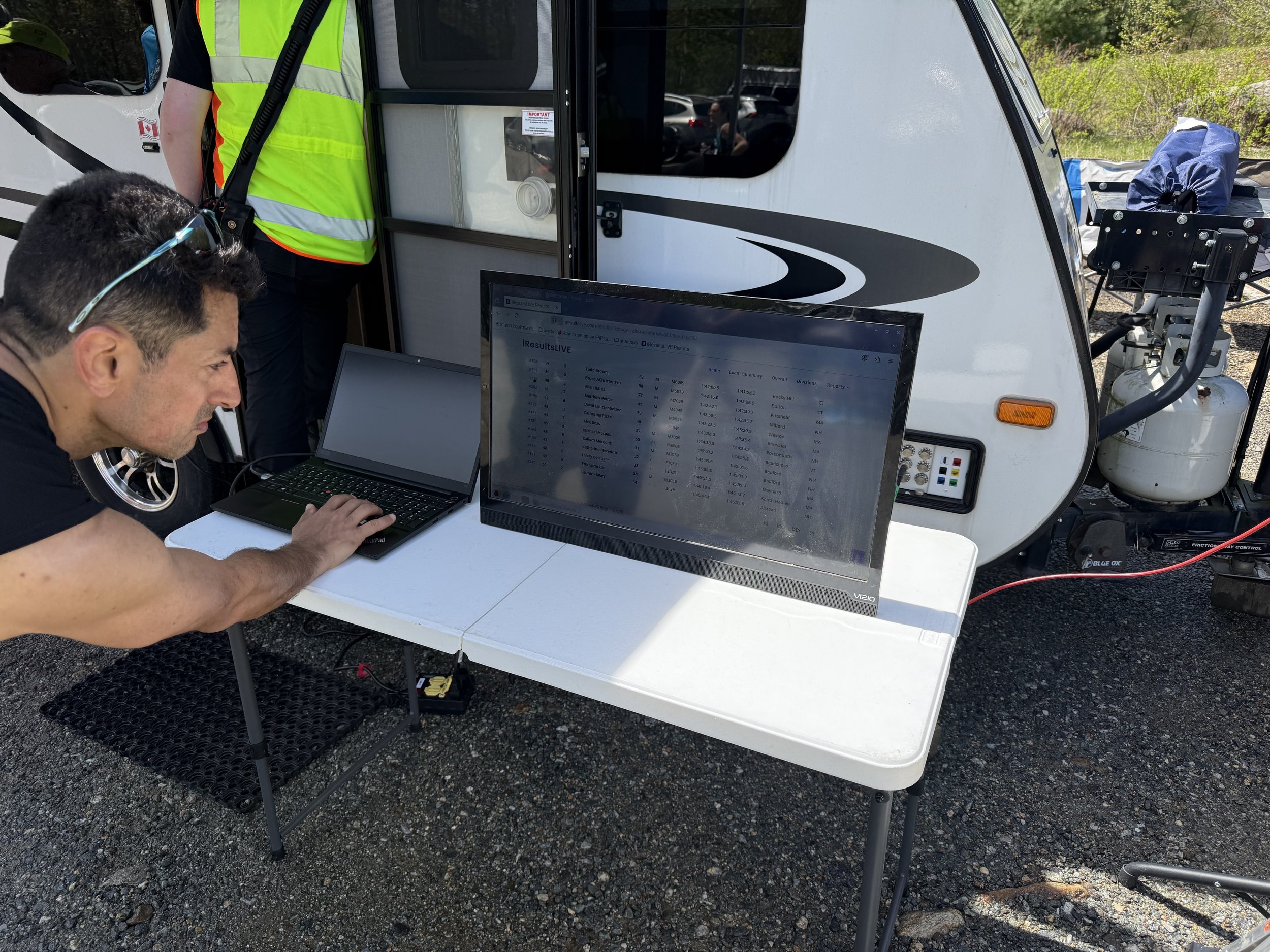
At the heart of the communications operation were Kim, KC1VYM, and Tim, WM1H, serving as net control for the race. They operated from Bailey’s communications camper, which served as the hub for race-day radio traffic and coordination. Having a dedicated communications setup like that makes a huge difference when you are managing multiple stations spread across a course.
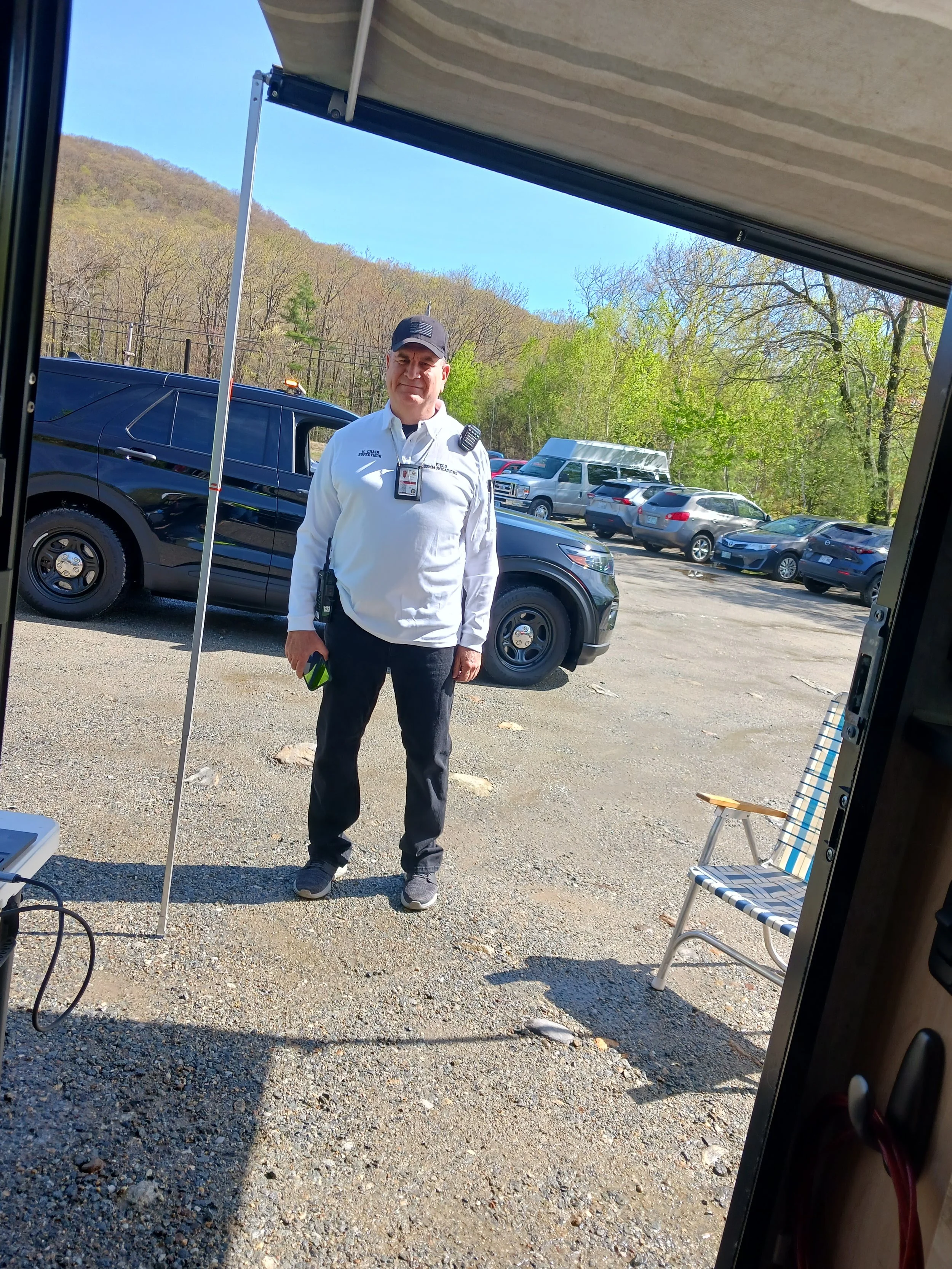
Howard Chain, K9NPD, shadowed the race director, helping keep communications close to the decision-making side of the event. This is one of those roles that can be easy to overlook, but it is incredibly important. When the race director needs information quickly, having a radio operator on hand can keep things moving and help prevent confusion.
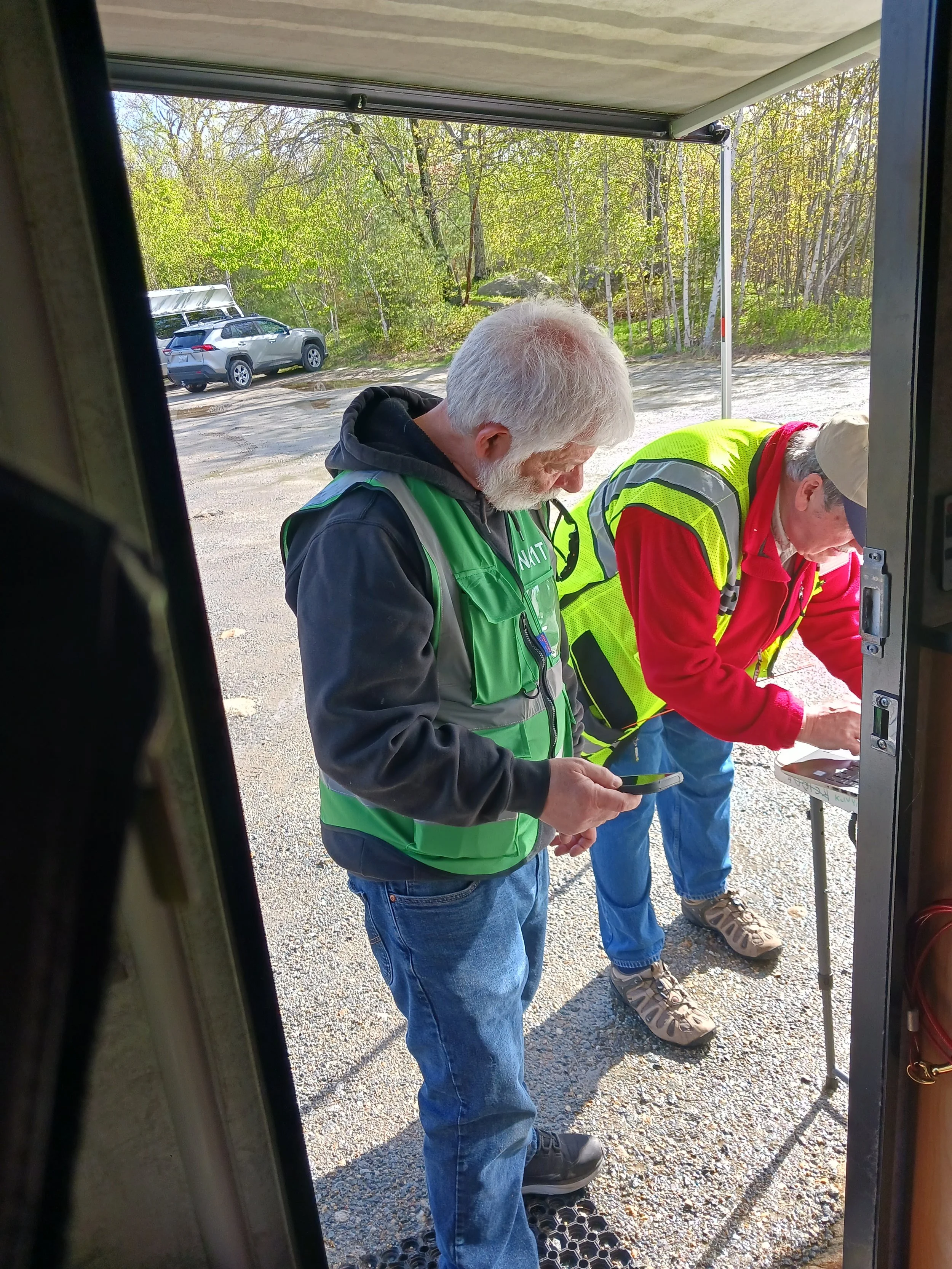
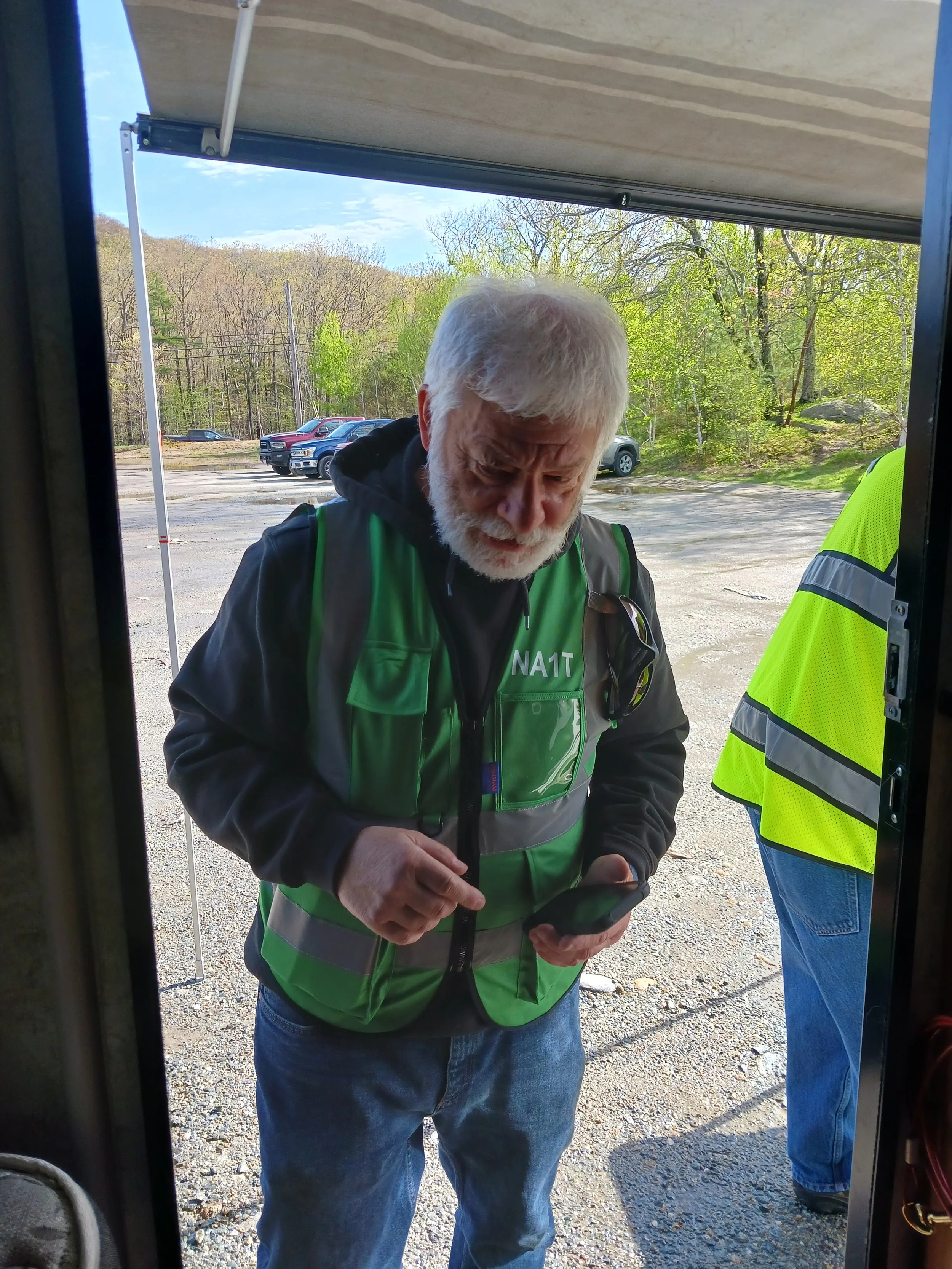
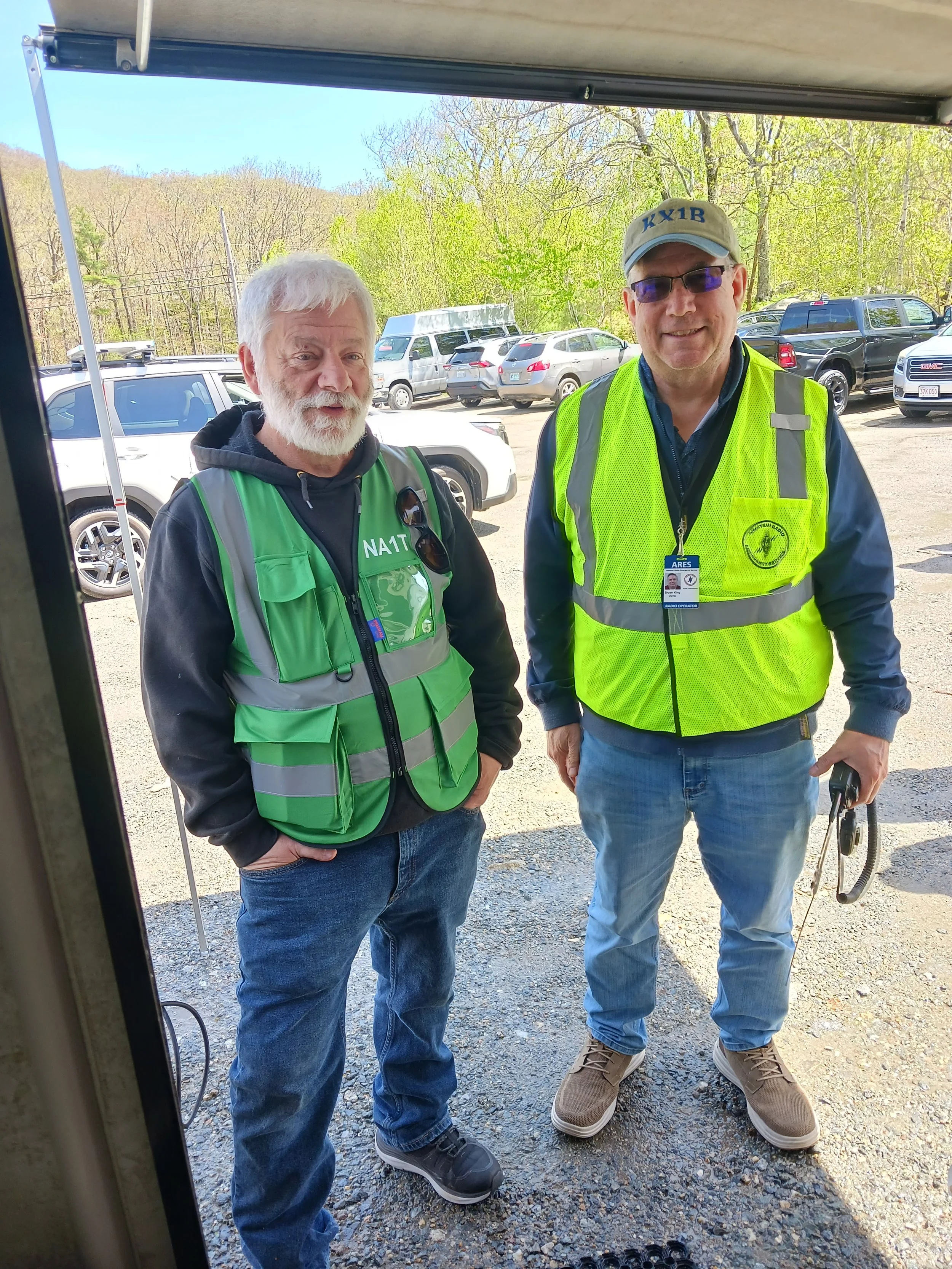
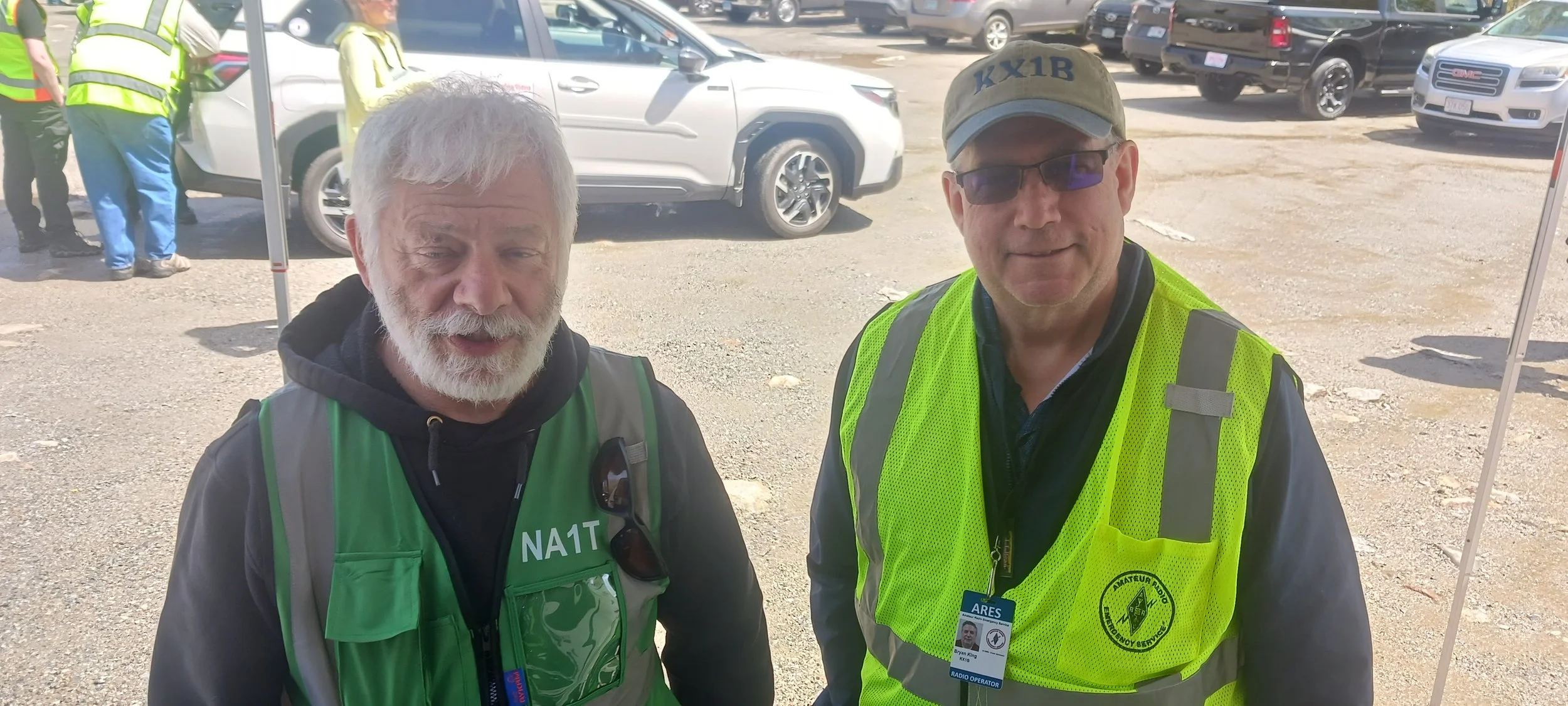
Steve Davidson, NA1T, provided communications support and helped implement a camera system used during the race. That added another layer of awareness for the team and showed how amateur radio support can blend traditional RF communications with modern tools to better serve an event.
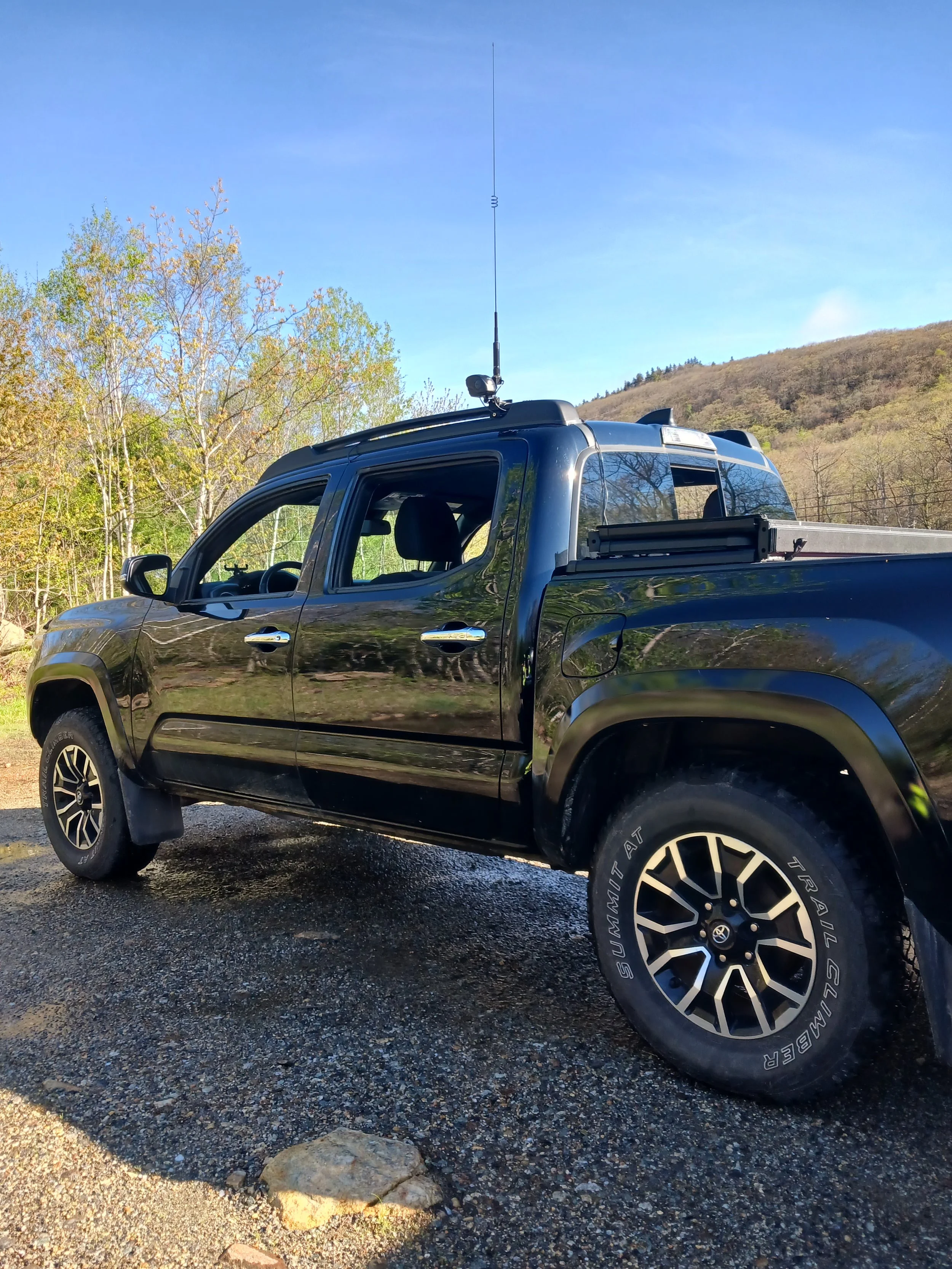
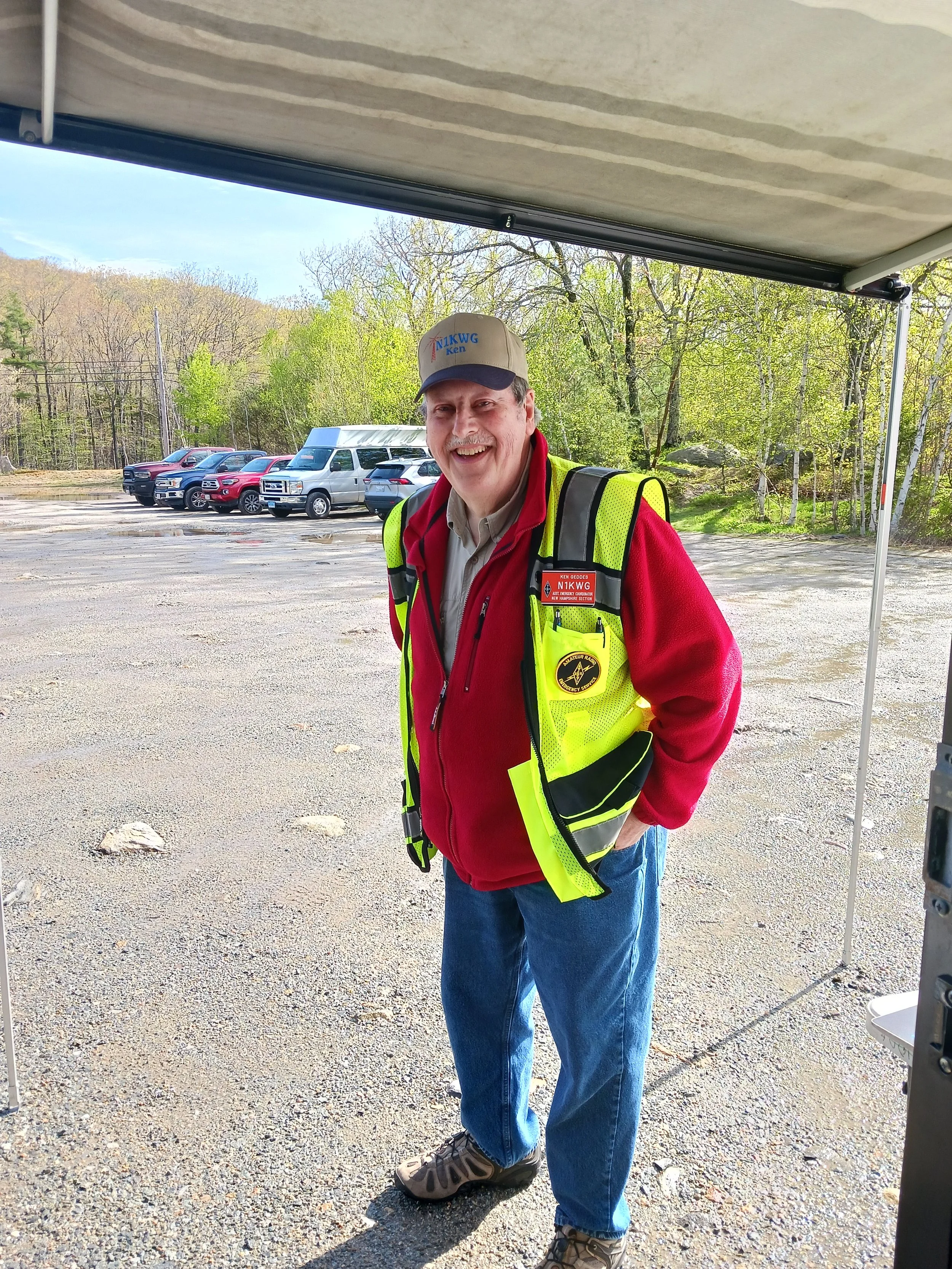
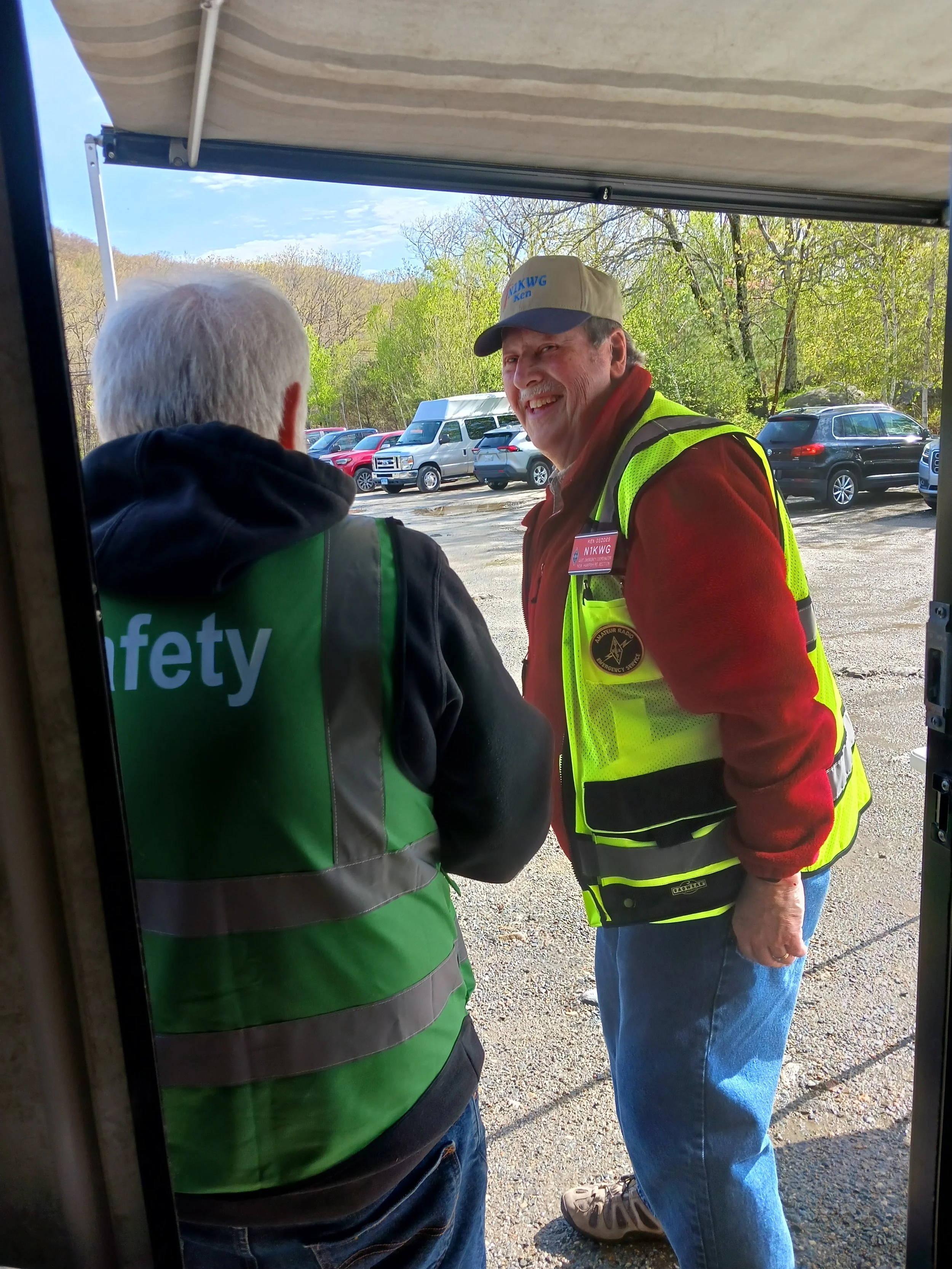
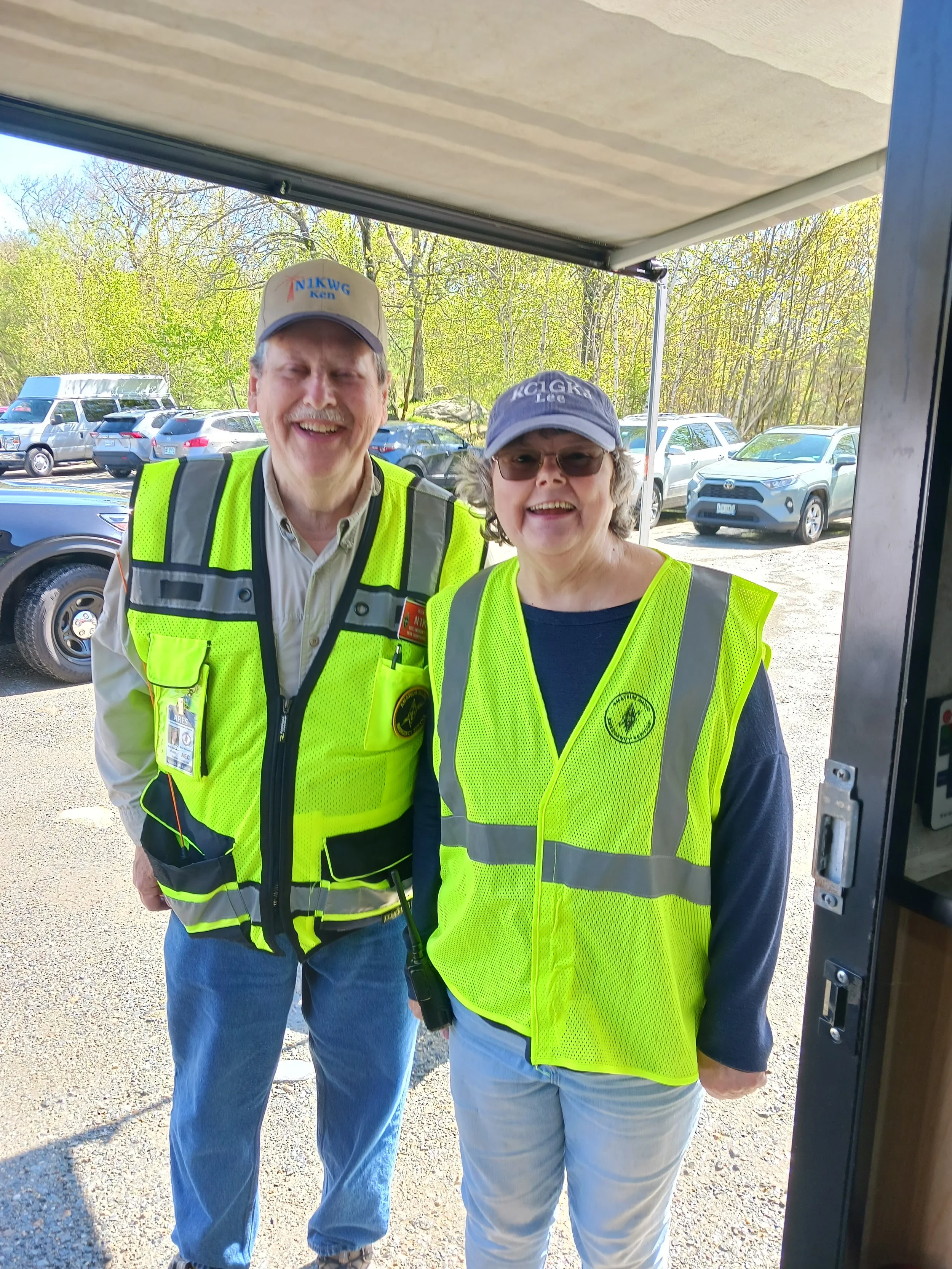
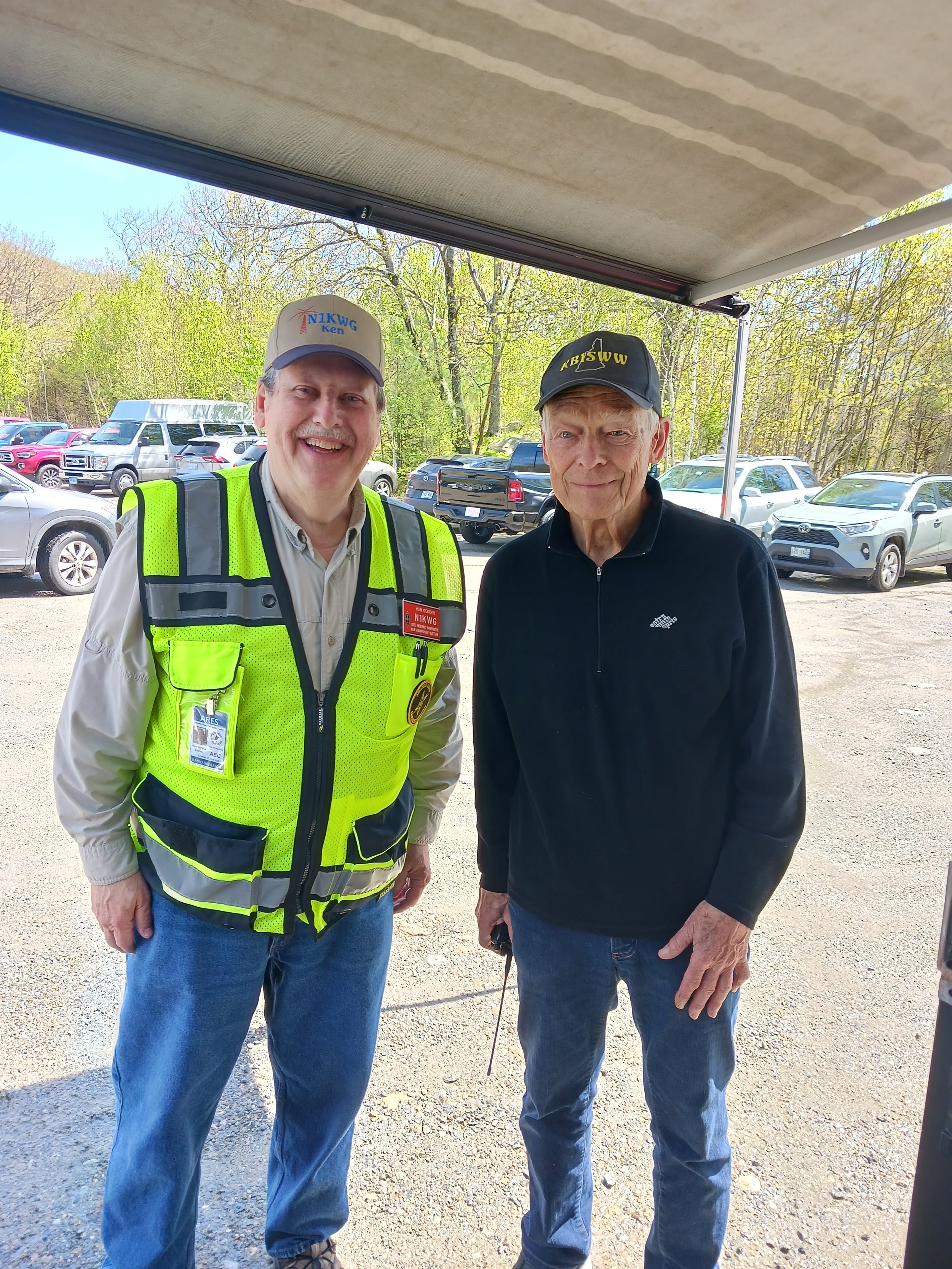
The logistics side was handled by Ken Geddes, N1KWG, helping keep the operation organized and moving. Jay Taft, K1EHZ, served in the lead vehicle, transmitting an APRS beacon and carrying a camera as part of the race support effort. APRS is a great tool in this kind of event because it helps track key assets in real time and gives the net control a better picture of what is happening on the course.
Several operators were stationed throughout the race route to support key locations. Jerry Methvin, KC1JBK, and Jen Herting, KD2BEC, covered Water Stop 1. Jon Grosjean, KB1SWW, was positioned at mile 2. David Weiss, N1DOU, was at mile 4. Jon Webster, NN1SS, covered mile 7. Bryan King, KX1B, was trailing the last runner/walker from start to finish, and at the finish line, Steve Nelson, WA1EYF, provided support and also served as alternate net control.
And of course, there were a number of other hams working hard as part of the communications team, helping make sure the race had the support it needed from start to finish.
The day went very well, and most importantly, nobody got hurt. That is really the goal. Road race communications are not about making noise on the radio just for the sake of it. They are about supporting the safety of runners, volunteers, race staff, and spectators. When everything goes smoothly, it means the team did its job.
Events like this are a reminder of why amateur radio still matters. We bring strong communication, flexibility, problem-solving skills, and a commitment to serving. Whether it is a road race, a parade, a public service event, a storm response, or a community exercise, hams have a unique ability to show up and help.
For GSARA, this is also a great example of our members being active in the community and using amateur radio to benefit others. It is not just about radios, antennas, and contacts. It is about people helping people.
If you have ever wondered how to get more involved beyond casual operating, public service events like this are a great place to start. You do not have to be an expert. You just need a willingness to learn, listen, and be part of the team.
A huge thank you to everyone who participated, supported the race, and represented amateur radio so well. This was a solid day of community service, teamwork, and radio doing exactly what radio does best: keeping people connected when it counts.